Flood Cleanup For Renters And Landlords: Who Does What
Reviewed By Hamza 9 Min Read
Quick Answer
In a flooded rental, the landlord is generally responsible for the building itself — extraction, drying, and repairs to floors, walls and fixed systems — while the renter is responsible for their own furniture and belongings. The exact split depends on the lease and local rules, so both sides should communicate early, photograph everything, and confirm arrangements in writing.
A flooded rental has two households' worth of questions inside one wet building: the person who lives there and the person who owns it. Most disagreements come from silence in the first day, not from the lease, so the pattern below pairs each responsibility with clear, prompt communication.
Who Is Responsible For Flood Cleanup In A Rental Home?
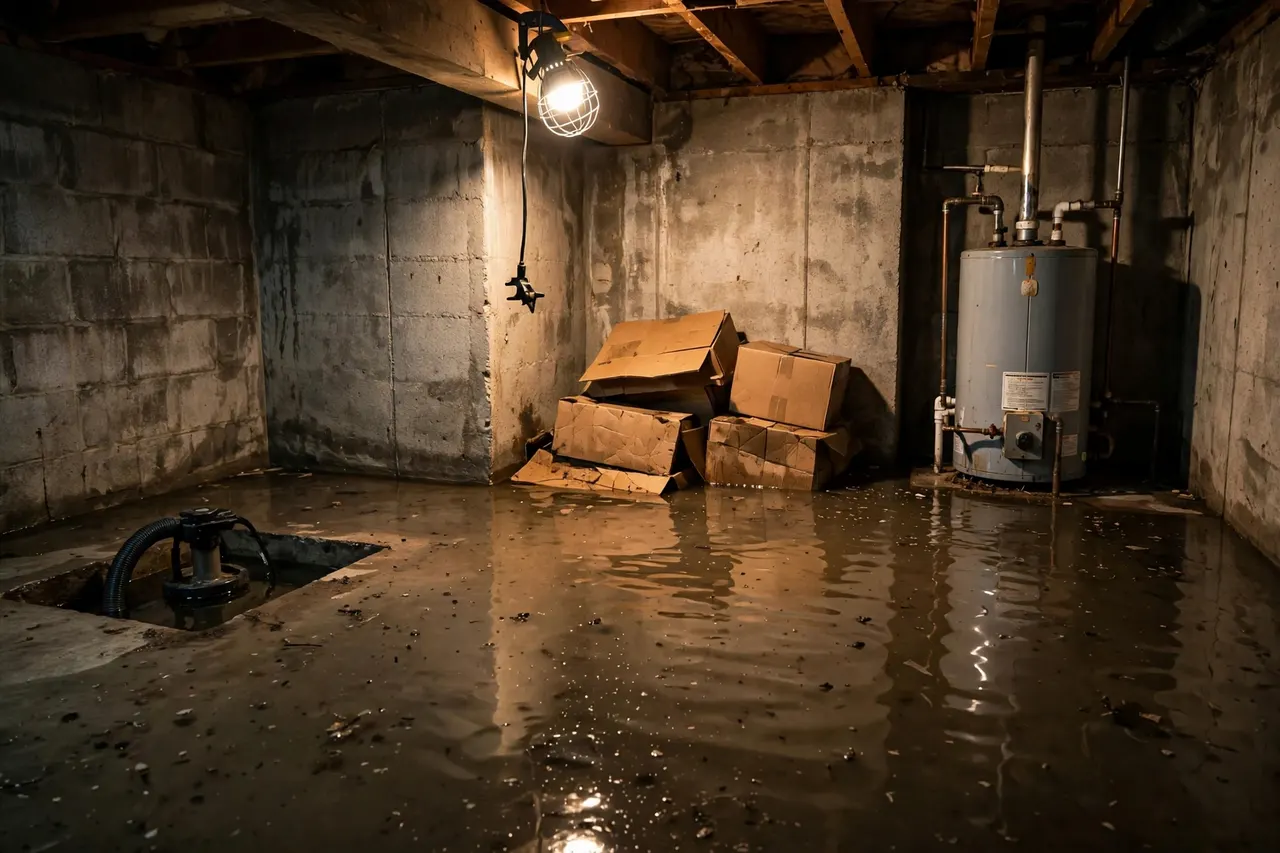
Responsibility splits along ownership lines: the landlord is generally responsible for the building — structure, floors, walls and fixed systems — while the renter is responsible for their own belongings inside it. Flood cleanup of the structure, from water extraction to structural drying, protects the property itself, so arranging and paying for that work usually sits with the owner.
Leases and local law can adjust the details, so treat this split as the starting point and check your own agreement. What should never wait on that check is the first call: standing water damages the building and the belongings at the same time, and either party can get help moving.
What Should A Renter Do In The First Hours?
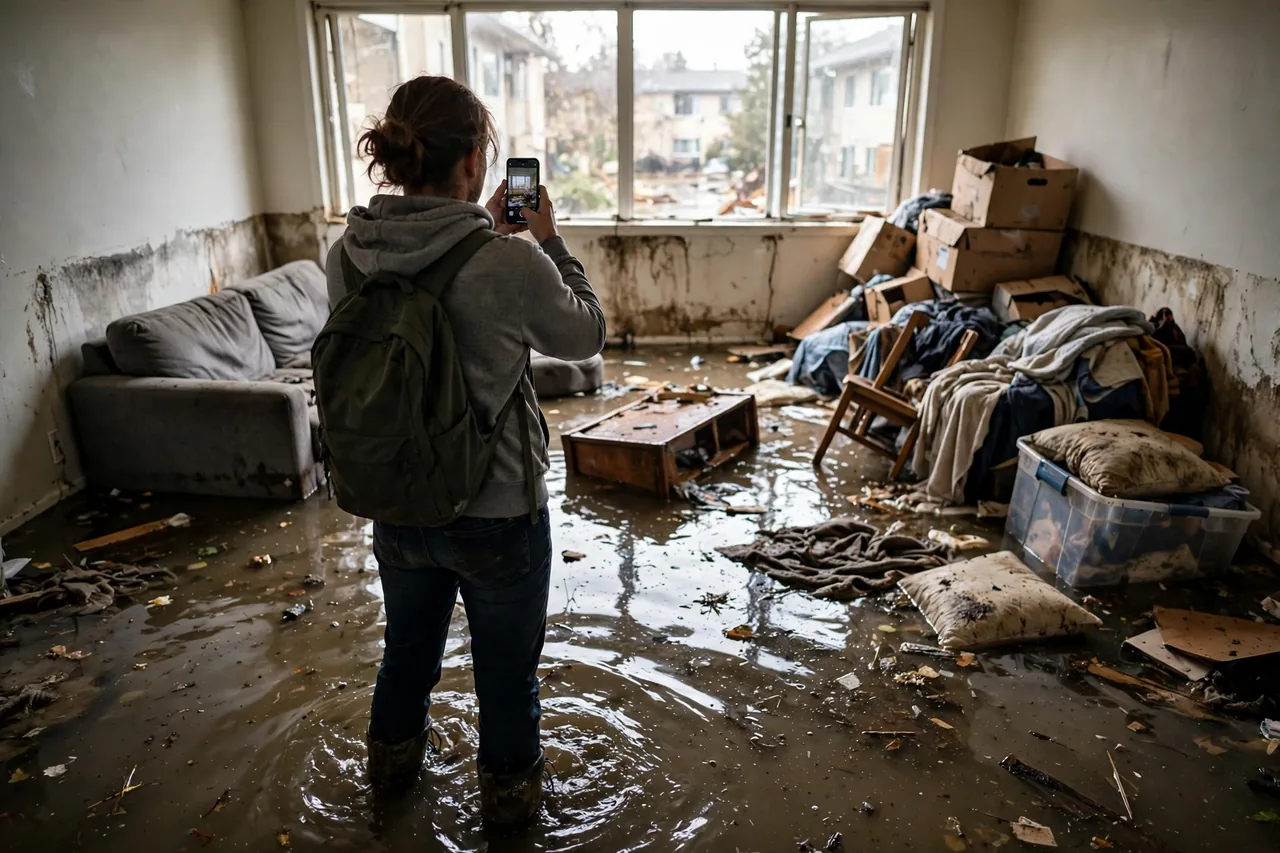
First, keep yourself safe: stay out of flooded rooms where water may touch electrics, and never walk through deep water to rescue belongings. Photograph each room from the doorway, note when the water arrived, and tell the landlord straight away — a message with photos creates a record both sides can rely on later.
Then protect what you own. Move dry belongings out of wet rooms if you can do so safely, lift small items off wet floors, and start a list of what got soaked. If the landlord cannot be reached and water is standing, a renter can still call for help: one free call to (800) 555-0100 connects you with a local pro who can arrive in 30–60 minutes in the cities served.
What Does The Landlord Usually Handle?
The landlord usually handles everything fixed to the property: water extraction, removal of ruined flooring and drywall, antimicrobial treatment, structural drying of framing and subfloors, and the repairs that follow. The landlord also deals with fixed systems a flood can damage, such as the electrical panel, HVAC system and water heater, which need proper checks before use.
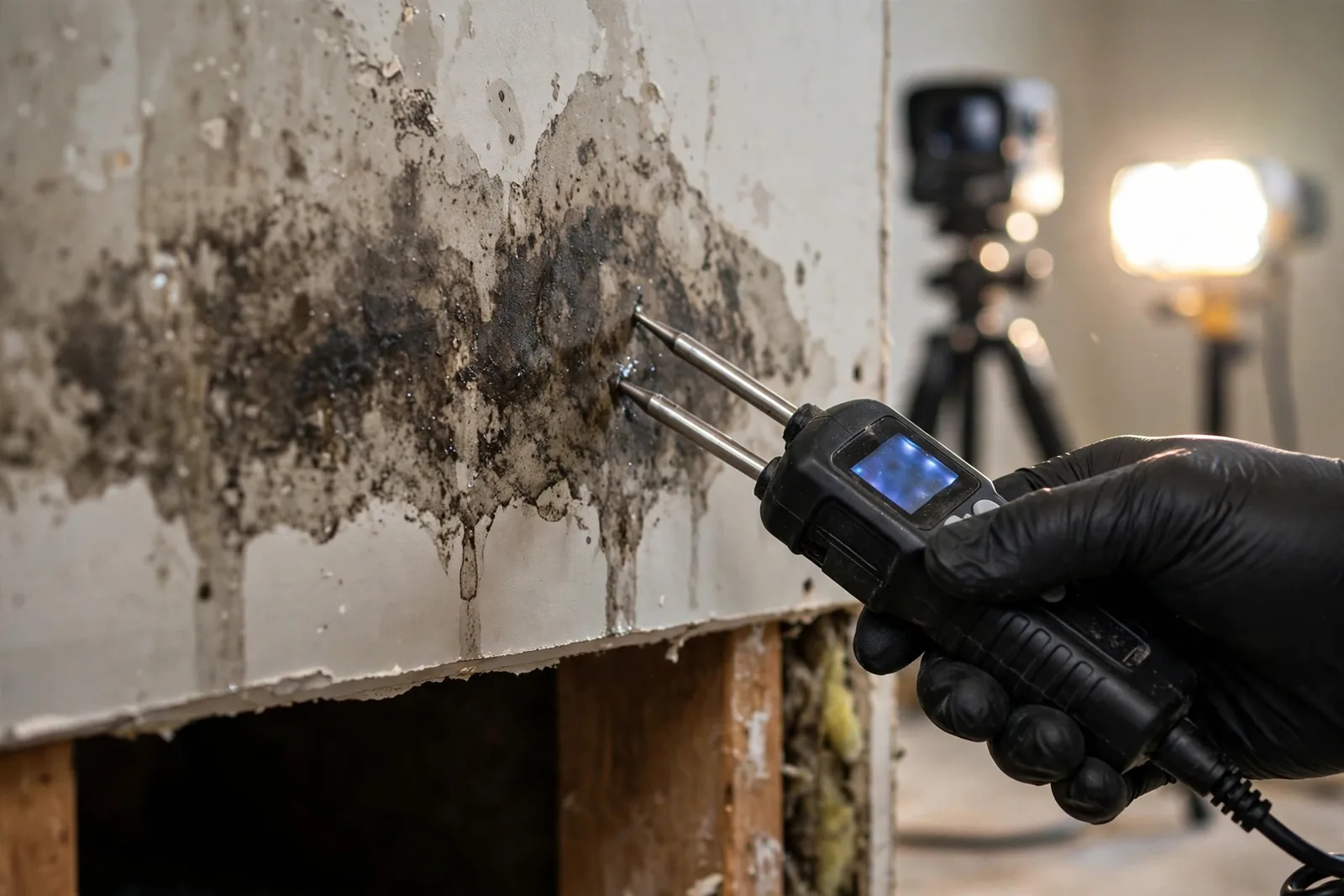
Speed is in the owner's interest. Mold can begin growing on wet materials within 24 to 48 hours, and moisture left in wall cavities keeps damaging the building long after surface water is gone. Prompt drying, proved with moisture readings and a drying log, is what keeps a flood from becoming a rebuild.
What Does The Renter Usually Handle?
The renter usually handles personal property: furniture, clothing, electronics, documents and keepsakes. That means deciding, item by item, what can be cleaned and dried and what was soaked by contaminated flood water and must be discarded — mattresses and upholstered pieces are common losses. A contents packout by a pro can inventory belongings and move salvageable items to a dry area.
Flood Water In Your Home Right Now?
One free call connects you with a local pro near you.
Renters also control access in practice, because they live in the home. Coordinating entry for the first visit and for drying checks, keeping pets away from work areas, and reporting new problems — a spreading stain, a musty smell — as they appear are small actions that keep the whole job on schedule.
How Does Insurance Split Between Renter And Landlord?
Insurance splits the same way responsibility does. The landlord's property cover concerns the building, while a renter's own policy, where held, concerns belongings and sometimes temporary living costs. Standard homeowners policies usually do not cover damage from outdoor flooding; flood cover is normally a separate policy, such as one through the National Flood Insurance Program run by FEMA.
Both sides should notify their own insurer promptly, share photographs, and keep receipts and the pro's drying log. Neither side should assume the other's policy will respond. Clear records from day one — who called whom, what was agreed, what was spent — prevent the commonest claim disputes in rental floods.
What Should Renter And Landlord Put In Writing?
Put the essentials in writing from the first day: when the flood happened, which rooms are affected, who is arranging cleanup, when crews will attend, and how costs are being split. Ordinary messages are fine as long as both sides keep them. Verbal agreements made on a wet doorstep are the ones nobody remembers the same way a month later.
Also record decisions about living arrangements: whether the renter is staying, leaving temporarily, or ending the tenancy early by agreement. If the two sides cannot agree, local tenant advice services and the lease itself are the reference points. Throughout, keep photographs and the damage list updated as drying and repairs progress.
What If The Flooded Rental Is Not Safe To Live In?
If the home is not safe — power concerns, sewage contamination, or structural damage — staying elsewhere comes first and paperwork follows. Tell the landlord the same day, keep the message, and photograph the conditions that forced the move. Do not re-enter flooded areas to collect belongings until the space has been assessed and extraction has begun.
What happens to the tenancy itself depends on the lease and local rules, and the honest route is a written conversation rather than assumptions on either side. Cleanup still needs to proceed regardless, because the building keeps deteriorating while it stays wet. One free call to (800) 555-0100 connects either party with a local pro who can start that work in the cities served.