What Is Water Remediation?
Reviewed By Hamza 9 Min Read
Quick Answer
Water remediation is the work that makes a flooded home safe and clean again: contaminated water and ruined materials are removed, remaining surfaces are cleaned and given antimicrobial treatment, and the structure is dried to measured moisture targets. It sits between mitigation, which stops damage getting worse, and restoration, which rebuilds what was removed.
Water remediation is the part of flood recovery that makes a home safe and clean again, not just dry. What flood water carried in, what it soaked, and what begins growing inside wet materials decide how much work the home actually needs.
What Does Water Remediation Actually Mean?
Water remediation means removing contaminated water and the materials it has damaged, then treating what remains so the home is safe to dry and rebuild. The word comes from remedy: the work addresses contamination, not only wetness. A remediation visit starts with inspection and moisture mapping, planned from where the water travelled.
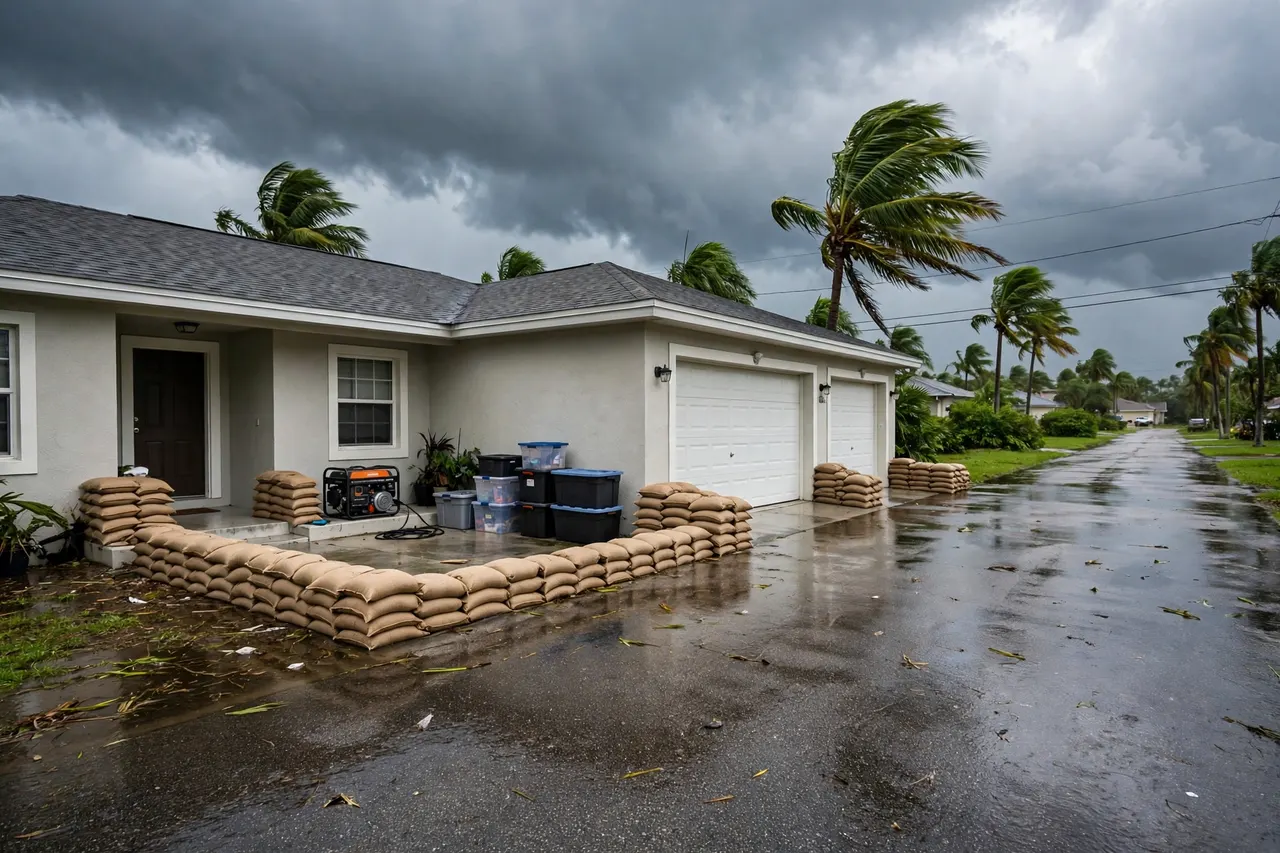
Flood water is never just rain. Water that has crossed streets, yards, drains and fields picks up soil, fuel, fertiliser and sewage. Pros therefore treat all flood water as Category 3 water, the most contaminated category. Standing water left in place keeps feeding that contamination into floors and walls.
How Is Water Remediation Different From Water Mitigation?
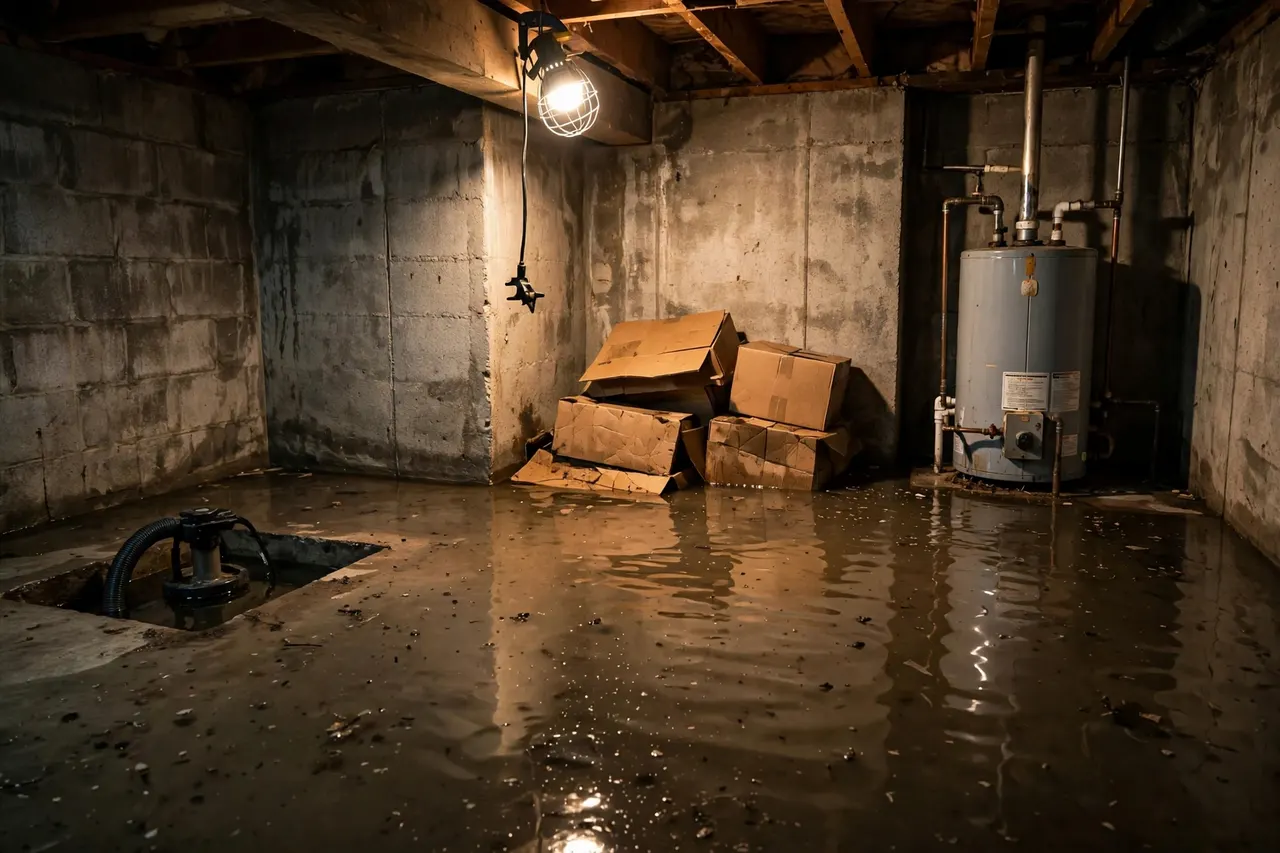
Water mitigation is the emergency work that stops damage getting worse: stopping the source where possible, water extraction of standing water, removing materials that cannot be saved, and setting up structural drying so wet framing and subfloors begin losing moisture. Mitigation is measured in hours — its purpose is to limit loss.
Remediation goes further. Once immediate damage is contained, it deals with what the water left behind — bacteria on framing, silt and mud on floors, contaminated insulation inside a wall cavity, odours in porous materials. A home can be mitigated and still not remediated: a dry room is not automatically a clean or safe room.
How Is Water Remediation Different From Water Restoration And Cleanup?
Water restoration returns the home to how it was before the flood, rebuilding what remediation removed: new drywall after a flood cut, flooring over a dry subfloor, repainting, and refitting baseboards and cabinetry. It starts only when moisture readings prove the structure is dry and treated.
Water cleanup is the broad everyday term for the whole job, and the name of the service on this site. Used precisely: mitigation limits the damage, remediation makes it safe and clean, restoration rebuilds it — cleanup is the umbrella over all three.
What Happens During Water Remediation, Step By Step?
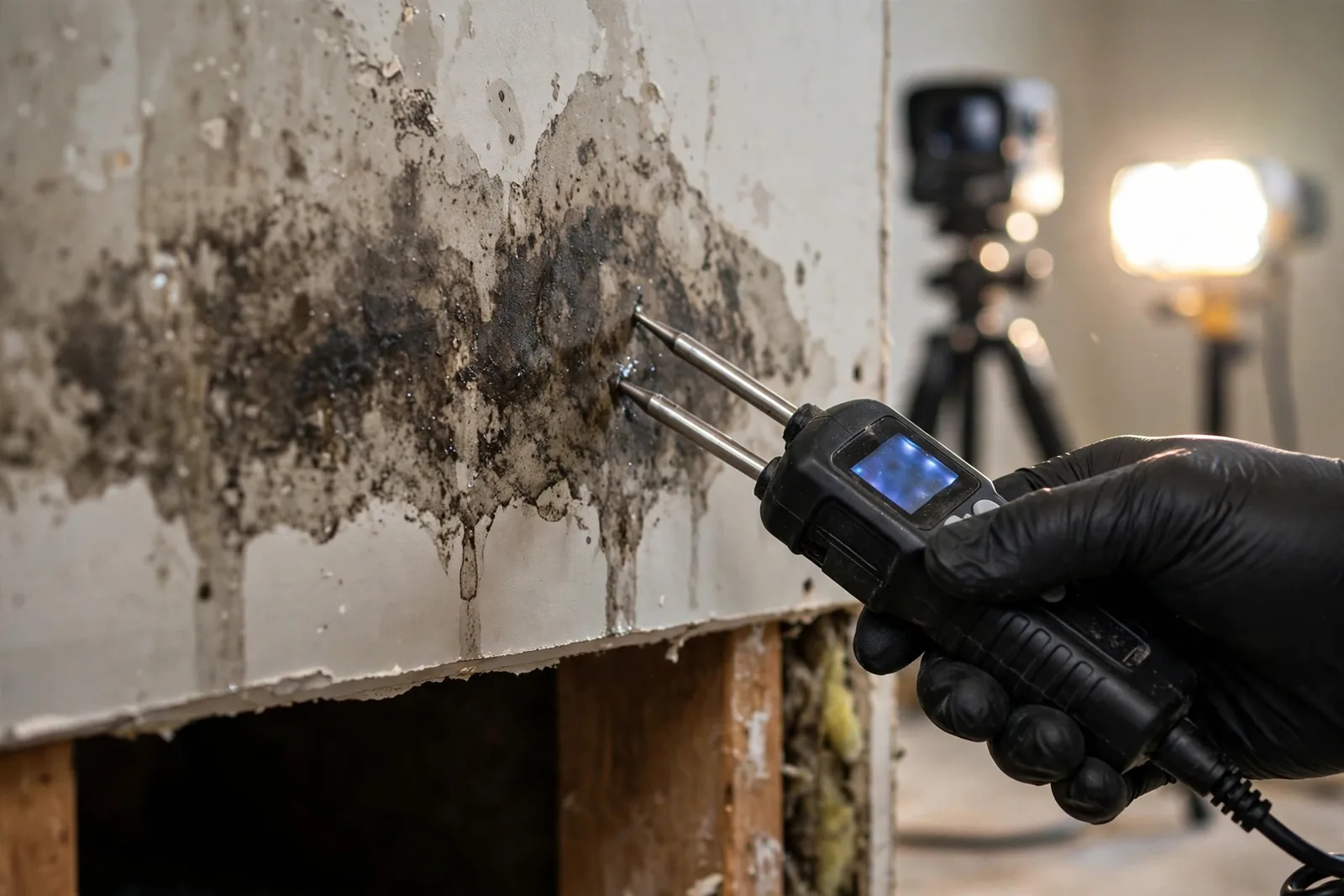
The first step is inspection and moisture mapping. A pro walks every room with a moisture meter and often a thermal imaging camera, which shows damp areas the eye cannot see. Readings are recorded room by room, because they decide what must be removed, what can dry in place, and when work is finished.
Next comes water extraction. A submersible pump handles deep standing water, while a truck-mounted extraction unit pulls large volumes quickly. Extracting liquid water is far faster than evaporation, and every gallon removed is one drying equipment need not pull from the air.
Then the pro removes ruined materials. Carpet and carpet pad soaked by contaminated water usually come out, wet insulation is removed, and damaged drywall is taken away with a flood cut above the water line so framing can be reached. Badly cupped hardwood flooring and swollen particleboard cabinetry may also have to go.
Flood Water In Your Home Right Now?
One free call connects you with a local pro near you.
Why Does Contaminated Water Change The Work?
Category 3 water changes the work because cleaning alone cannot make some materials safe. Porous materials — carpet pad, insulation, upholstery, drywall — hold bacteria deep inside, so removal replaces cleaning for them. Structural materials such as a concrete slab, framing lumber and tile can usually be cleaned, disinfected and dried in place.
Sewage backup is the clearest example. Everything wastewater touched gets the strictest care. A containment barrier may seal the work area, and a HEPA air scrubber filters the air while contaminated material is bagged and removed.
What Does Antimicrobial Treatment Do?
Antimicrobial treatment is applied to exposed framing and subfloors after contaminated material is removed and surfaces cleaned. It kills bacteria left by flood water on materials that stay, including the sill plate and the concrete slab. It follows cleaning, because disinfectants work only on surfaces free of mud.
Treatment also helps slow mold. Black mold can begin growing on wet materials within 24 to 48 hours, so remediation works against that clock. Drying and treatment together remove the moisture and contamination mold needs — which is why the order of steps matters.
How Does Drying Fit Into Remediation?
Structural drying is the controlled drying of the building itself — framing, wall cavities, subfloors and slabs — to measured targets. Air movers speed evaporation across wet surfaces, and a dehumidifier removes that moisture from indoor air. For large or salt-water losses, desiccant drying may be used.
Drying is proved, not guessed. The pro keeps a drying log of daily readings at the points marked during moisture mapping until each reaches its target. Only then is the home ready for restoration. Skipping this proof traps moisture behind new drywall, feeding mold and rot.
What About Belongings, Floors And Hidden Places?
Belongings are handled through a contents packout when rooms must be emptied. Salvageable items are inventoried and moved out; items soaked by contaminated water, such as mattresses, often cannot be kept. Hard items can usually be cleaned and disinfected.
Hidden places get the same attention. Flood water collects in a crawl space, behind baseboards, and inside wall cavities where insulation holds it longest. Laminate and vinyl plank flooring can pass water to the subfloor beneath while the surface looks fine. Remediation follows water wherever meters find it.
When Is Remediation Finished, And What Comes Next?
Remediation is finished when contaminated materials are out, surfaces are cleaned and treated, and moisture readings sit at dry targets. The drying log documents that finish — a useful record for an insurer or FEMA. The home is then ready for restoration.
If your home has flooded, you do not need to decide the stages alone. Call (800) 555-0100 — one free call connects you with a local pro who can arrive in 30–60 minutes in the cities served, check the problem room by room, and explain whether you need mitigation, remediation, restoration, or the full sequence.