State rules, real data and what to do first — written for Texas homeowners.
What Makes Flooding Different In Texas?
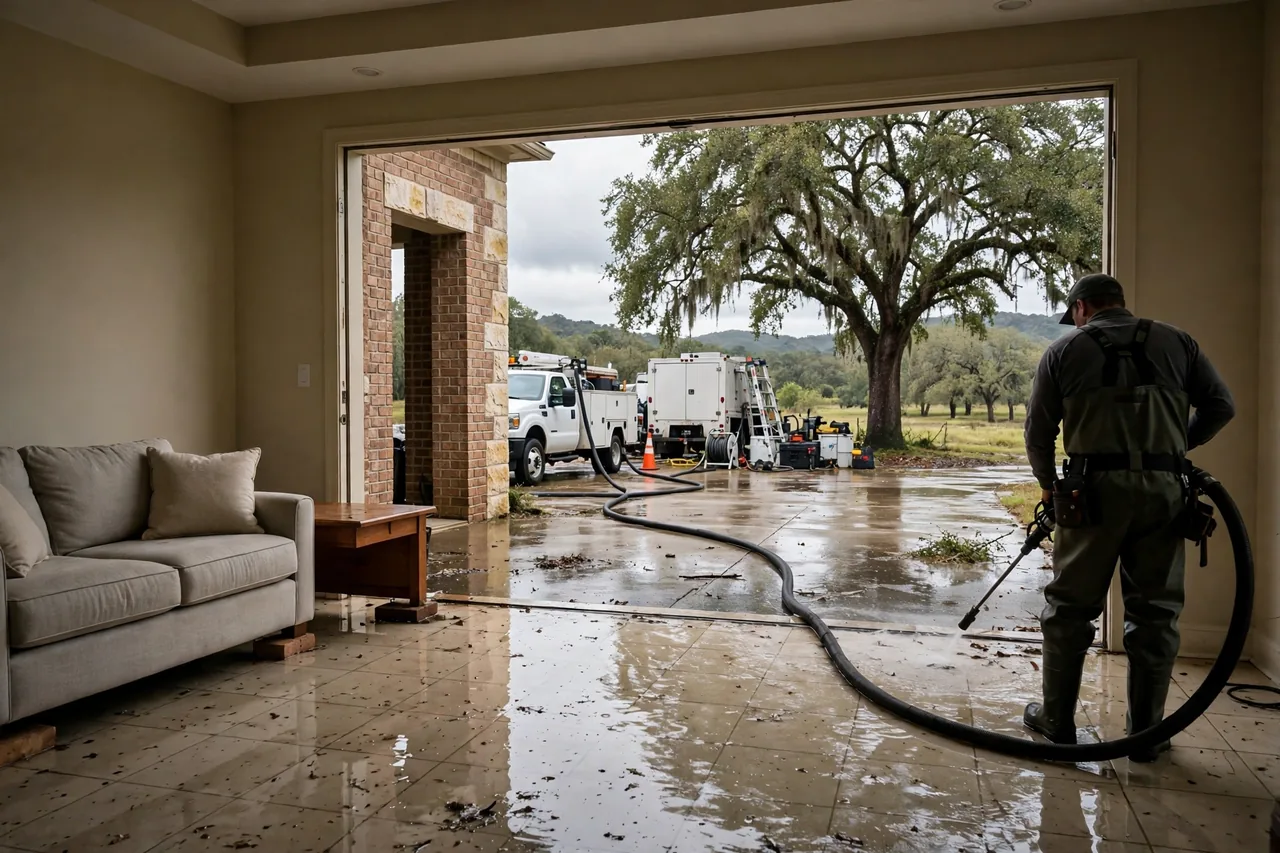
Texas floods in several distinct ways. Gulf storms push surge and heavy rain into coastal communities, rivers and creeks rise after upstream downpours, and sudden cloudbursts overwhelm drainage in built-up areas, sending water across streets into ground floors. A cleanup plan has to identify which kind of flooding struck, because entry points, contamination and drying needs differ with each source.
How Do Texas's Climate And Housing Shape Cleanup?
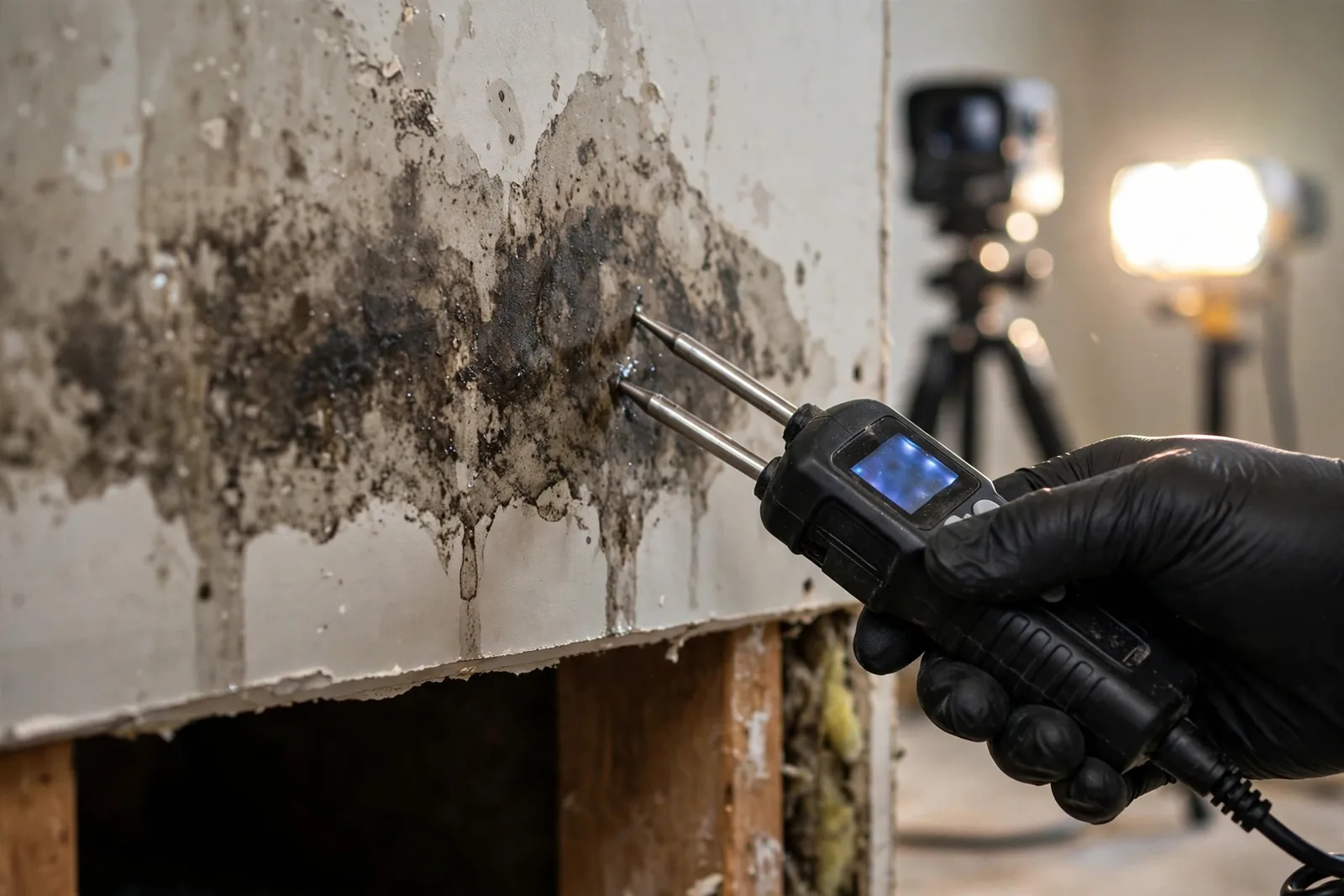
Warm conditions through much of the year mean wet drywall, insulation and carpet pad become mold habitat quickly after a Texas flood. The state's housing mixes an older pre-1980 third (33.2% statewide, ACS 2024) with a newer majority built around a 1992 median. The flood water cleanup guide for Austin, TX shows how one Central Texas city's own data changes the drying plan its pros follow.
What Do Texas Rules Say About Insurance After A Flood?
Standard homeowners insurance in Texas does not cover flood damage from rising water; flood cover comes separately, commonly through the National Flood Insurance Program (NFIP). The Texas Department of Insurance (tdi.texas.gov) oversees insurers in the state and publishes guidance for policyholders after storms. Document damage with photos before cleanup, keep receipts, and contact your insurer promptly — your pro's drying log supports the claim file.
Where Do State Rules On The Work Itself Come From?
Trade work in Texas is overseen by the Texas Department of Licensing and Regulation (tdlr.texas.gov), which handles trade licenses in the state; Texas has no state general-contractor license, so checks on repair work are trade by trade. For wider consumer problems — billing disputes or unfair practices after a storm — the Consumer Protection Division of the Texas Attorney General (texasattorneygeneral.gov) is the state's consumer protection route.
One free call connects you with a local pro near you.
Which Texas Offices Coordinate Flood Response?
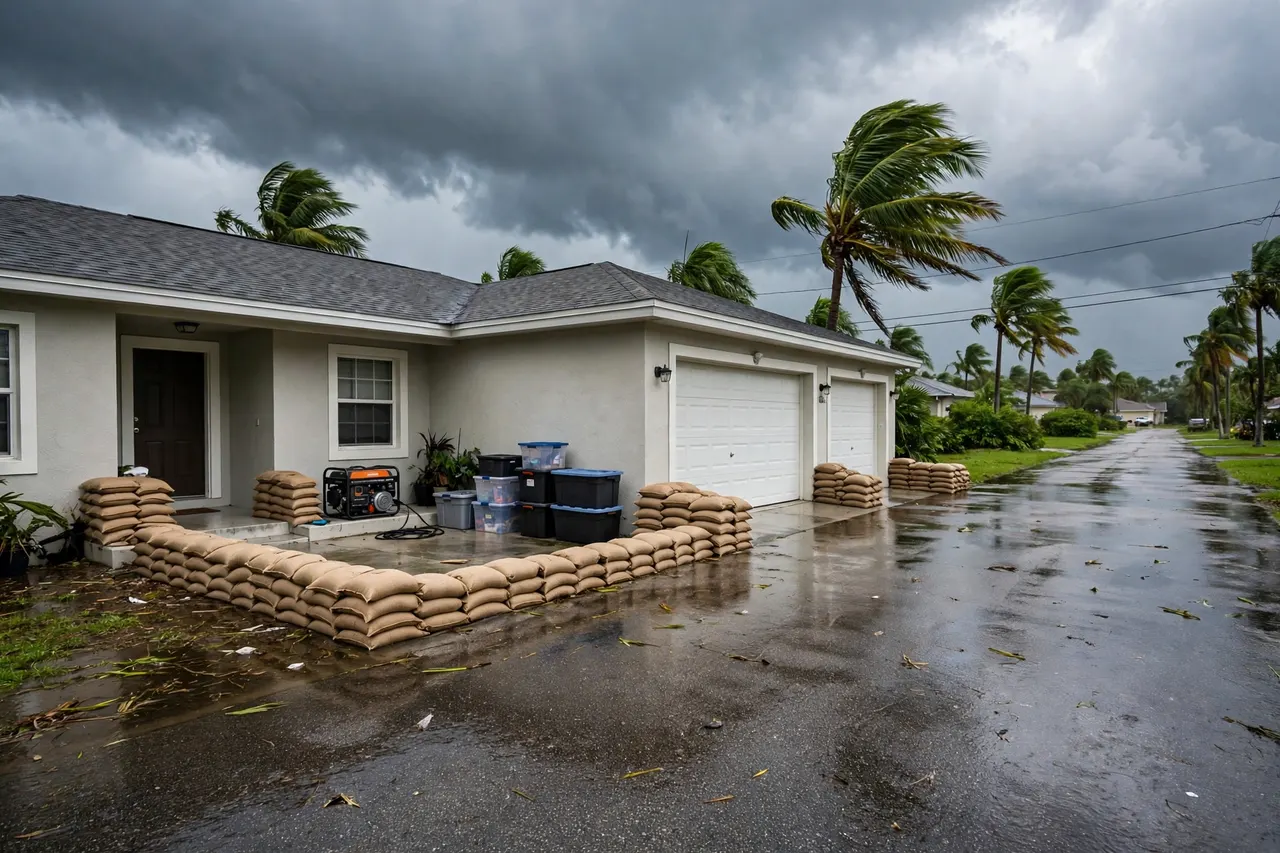
The Texas Division of Emergency Management (tdem.texas.gov) coordinates the state's response to floods and storms, publishes preparedness guidance and works with county emergency offices across Texas. Before a storm it is the official source for readiness information; after one, it connects residents to recovery resources. Our guide to preparing for floods turns that official guidance into a household checklist.
What Affects The Cost Of Flood Cleanup In Texas?
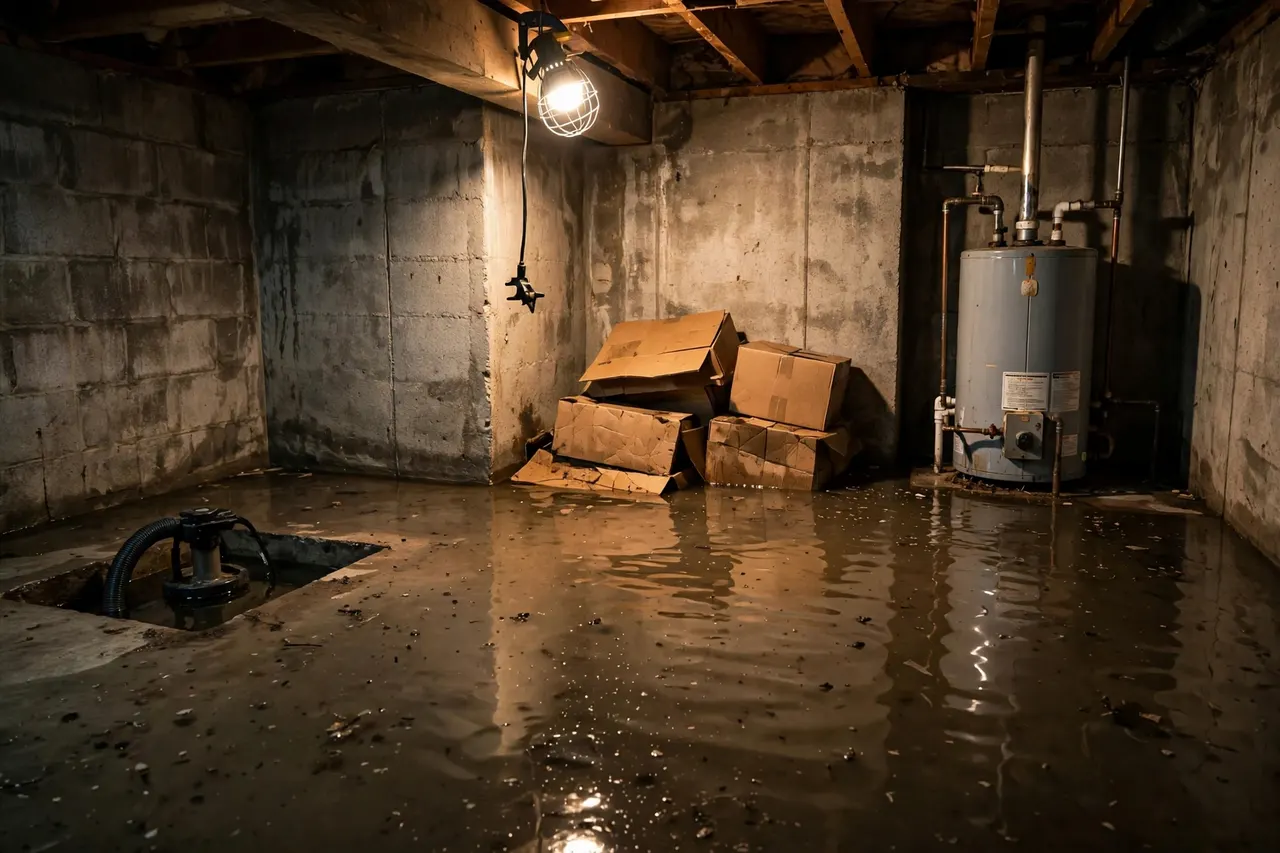
Cost turns on factors, never a fixed figure: the depth and area of water, whether it carried sewage or chemicals, how long it stood, and which materials — drywall, insulation, flooring, cabinetry — must be removed. Access matters too; a flooded ground-floor apartment and a detached home dry differently. Drying time, equipment days and the repairs needed after drying complete the picture, which is why an in-person check comes before any number.
How Does Help Reach The Rest Of The State?
Texas's 30 served cities each connect to a local pro who knows that city's drainage, housing and storm history — compare the Panhandle picture on the Amarillo flood water cleanup page with the Gulf Coast cities further south. Homeowners east of Texas can see how the neighbouring programme works on the Flood Water Cleanup Louisiana page, where river and bayou flooding set a different agenda.
How Long Do You Have To File A Flood Claim In Texas?
Act as if the deadline is short: notify your insurer as soon as the flood is discovered, because flood policies set their own claim and documentation timelines and waiting only weakens a claim. The Texas Department of Insurance (tdi.texas.gov) publishes consumer guidance on claims after storms and can explain how complaints about an insurer are handled. Keep dated photos, moisture readings and every receipt together from day one.