How Do We Prepare For Floods?
Reviewed By Hamza 8 Min Read
Quick Answer
We prepare for floods by acting before the water arrives: know how your home could flood, follow official warnings, move belongings and documents up high, protect appliances and utilities, clear drains, and agree a family plan for leaving quickly. Preparation done in calm weather is what limits damage when a flood is forecast.
Preparation is the part of flooding a homeowner controls. You cannot stop rain, a swollen river or storm surge, but the hours and days before water arrives decide how much of your home and belongings it can reach. Work through the steps below in order, starting long before any warning is issued.
Start With Your Flood Risk And Warning Sources
Start by learning how water could reach your home. Check whether your property sits in a mapped flood zone, ask neighbours how past storms behaved on your street, whether a Levee protects the area and whether a King Tide alone has flooded it, and note the low points where water pools first. Homes flood from Riverine Flooding, heavy rain that outruns drains, Storm Surge and Groundwater Seepage, and each source gives a different amount of warning.
Then set up warnings you will actually hear. Follow National Weather Service forecasts, keep a phone charged for emergency alerts, and know the difference between a flood watch, when flooding is possible, and a flood warning, when it is happening or about to happen. Ready.gov publishes plain guidance on understanding alerts and flood risk.
What Should You Move, Raise Or Seal First?
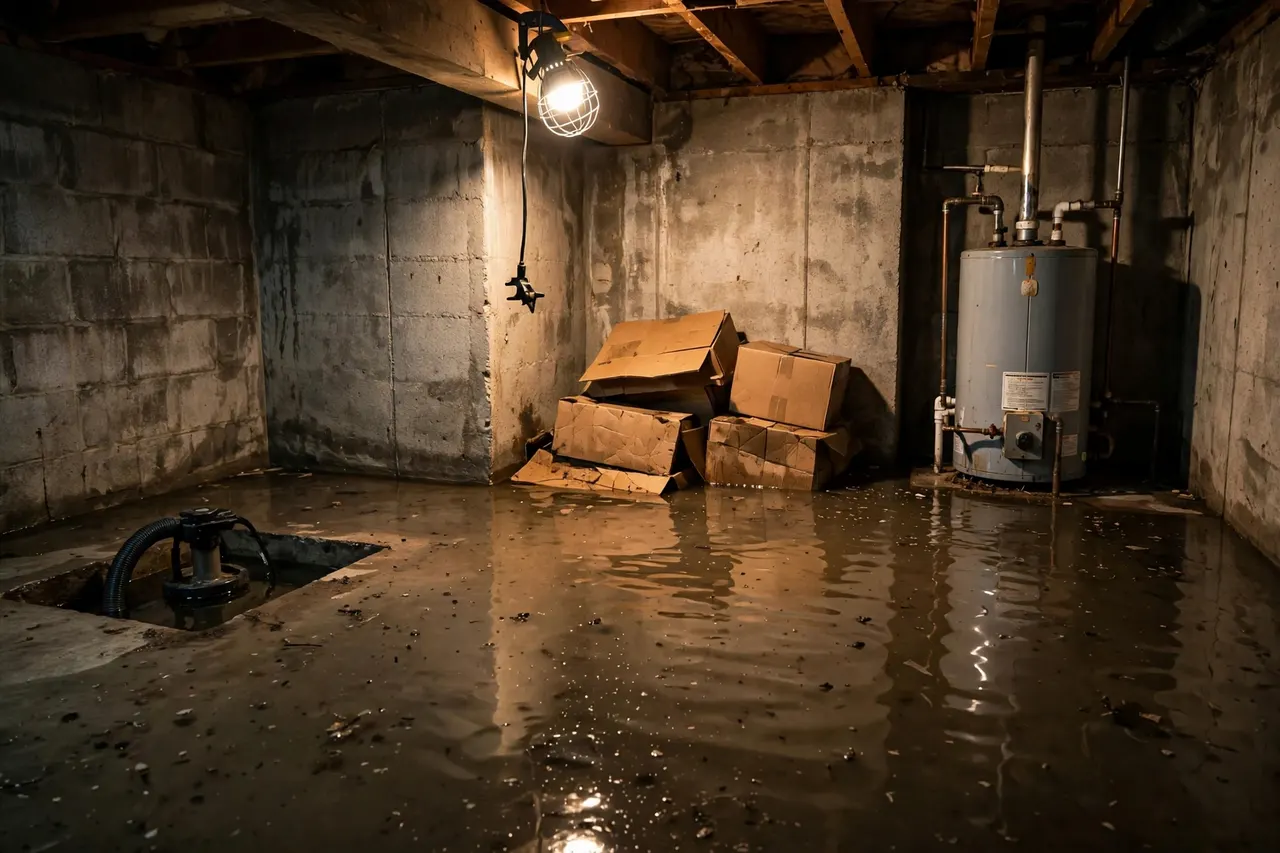
Move first the things water ruins fastest and you would miss most: photographs, documents, medicines, electronics and soft furnishings from ground-floor rooms and the basement. Store them on upper floors or on high shelves in sealed plastic boxes. Anything porous stored on a basement floor — cardboard boxes, rugs, upholstered furniture — should come up or be raised off the floor.
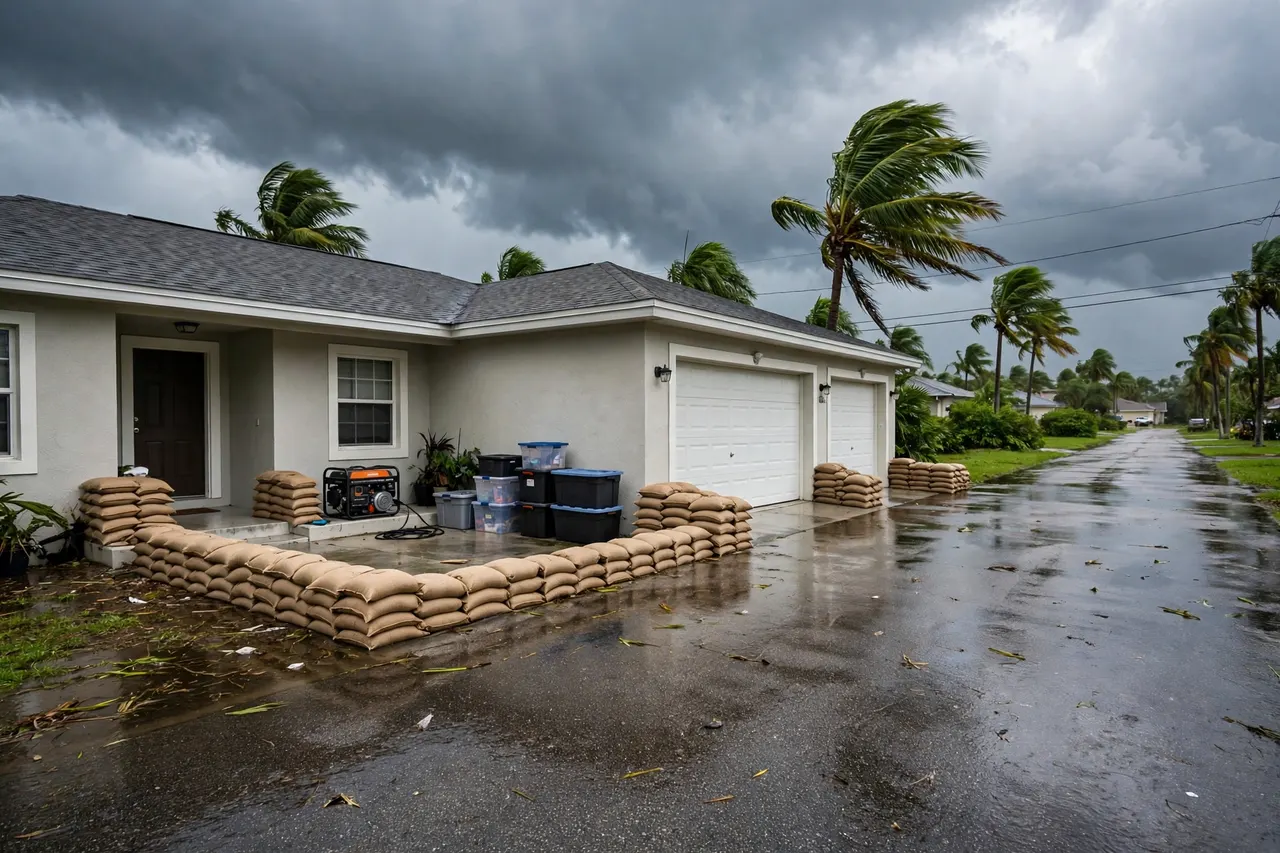
Outside, bring in or secure garden furniture, bins and anything flood water could float into doors and windows. Clear leaves and silt from yard drains and the grate nearest your home so surface water has somewhere to go. Sandbags, where your local authority supplies them, belong at door thresholds and around low air vents.
How Do You Protect Utilities, Appliances And Electrics?
Protect utilities before the water, not during it. Know where your electrical panel, water shutoff and gas valve are, and how to turn each off. If flooding is expected, a pro or your utility provider can advise on isolating supplies safely; never handle electrics while standing in water.
Raise what you can. A Water Heater and other appliances in a basement or ground-floor utility room sometimes stand on blocks or platforms, lifting motors and controls above shallow water. Move chemicals, paint and fuel into high, sealed storage so flood water cannot spread them through the house. Photograph each utility area before and after you prepare it, so you have a record of its condition.
What Documents, Photos And Records Should You Gather?
Gather the records you would need if the house were damaged tomorrow: insurance policies, identification, property documents, medical information and contact numbers. Keep paper copies in a sealed waterproof pouch and digital copies photographed or scanned to a phone or cloud account you can reach from anywhere.
Flood Water In Your Home Right Now?
One free call connects you with a local pro near you.
Walk every room with your phone and record a slow video of belongings, flooring and appliances. This home inventory is the evidence an insurer or the National Flood Insurance Program asks for after a loss. Store serial numbers for major appliances with the video. Doing this in calm weather takes an afternoon; doing it after a flood, from memory, is far harder and far less complete.
What Does A Family Flood Plan Need To Cover?
A family plan covers how you leave, where you go and how you find each other. Agree a meeting place outside the flood area, a route that avoids low roads and underpasses, and an out-of-area contact everyone can call. Decide in advance who collects children, who handles pets and who turns off utilities.
Keep a go-bag ready with medicines, chargers, a torch, spare clothes and copies of key documents. Include pet carriers, leads and food if you have animals. Practise the plan once so nobody is learning it during a warning. If officials order an evacuation, the plan is simple: leave early, because flood water makes roads impassable faster than most people expect.
What Should You Do In The Last Hours Before Water Arrives?
In the last hours, finish the fast jobs: move the car to higher ground, bring final belongings upstairs, fit sandbags, charge phones and fill containers with clean drinking water in case supplies are interrupted. Put medicines and the go-bag by the door you will leave from.
Then watch the warning level, not the street. If a warning says water is coming, do not wait to see it. Turn off utilities only if you can do so from dry ground, lock up and leave by your planned route. Never walk or drive through flood water to check on the house — return only when officials say it is safe.
Use the same hours to check on the people in your plan. Confirm that elderly neighbours or relatives living alone know the warning level and have their own route out, and that anyone who needs help leaving has it arranged before roads flood. Share your meeting place and contact again, tell someone outside the area where you intend to go, and keep phones charged. A plan only works if every person in it hears the same information at the same time.
What If There Is No Time To Prepare?
If there is no time, protect people and skip property. Flash floods can arrive with very little warning, and belongings are never worth entering rising water for. Move to the highest safe part of the home or leave for higher ground if you can do so safely, call emergency services if anyone is trapped, and stay out of the water.
Afterwards, once officials say re-entry is safe, photograph everything before cleanup begins and keep people and pets out of flooded rooms. Flood water is treated as Category 3 water because of what it carries. Call (800) 555-0100 — one free call connects you with a local pro who can arrive in 30–60 minutes in the cities served and plan extraction and structural drying with you.