What Is Water Damage Restoration?
Reviewed By Hamza 9 Min Read

Quick Answer
Water damage restoration is the full process that returns a flooded home to its pre-flood condition: the water is extracted, damaged materials are removed and treated, the structure is dried to measured targets, and what was taken out — drywall, flooring, baseboards, cabinetry — is rebuilt. It is the umbrella term covering mitigation, remediation, drying and repair in one sequence.
Water damage restoration is the name for the whole recovery, from the moment standing water is pumped out of a flooded home to the day the last baseboard is refitted. Homeowners hear the word used loosely, but pros use it for a defined sequence with a clear finish: a home that is dry, clean, rebuilt and safe to live in again.
What Does Water Damage Restoration Mean?
Water damage restoration means returning a water-damaged home to the condition it was in before the water arrived. Restoration is the destination of the whole job: rooms that are structurally sound, dry to measured moisture targets, free of contamination, and finished again with the flooring, walls and fittings the water destroyed.
The term covers every stage needed to get there. It begins with emergency work while water is still present and ends with rebuilding. When a pro says a home needs restoration, they mean more than drying — they mean the full path back to normal use, planned room by room from the first inspection and the moisture mapping readings taken on that visit. Nothing is rebuilt on a guess; each stage is checked before the next one starts.
How Does Restoration Differ From Cleanup, Mitigation And Remediation?
Water damage cleanup is the broad everyday phrase for dealing with unwanted water in a home, and the name of the core service on this site. Mitigation is narrower: the urgent first work that stops damage spreading, such as water extraction and setting up structural drying. Remediation tackles what the water left behind — contaminated materials are removed, and surfaces that stay are cleaned and given antimicrobial treatment.
Restoration is where those stages lead. Once the structure is clean and proved dry, restoration rebuilds what was taken out. The four words describe one job at different depths: cleanup is the umbrella, mitigation limits the loss, remediation makes the home safe, and restoration makes it whole again. Most flooded homes need all four, in that order.
What Are The Main Stages Of Water Damage Restoration?
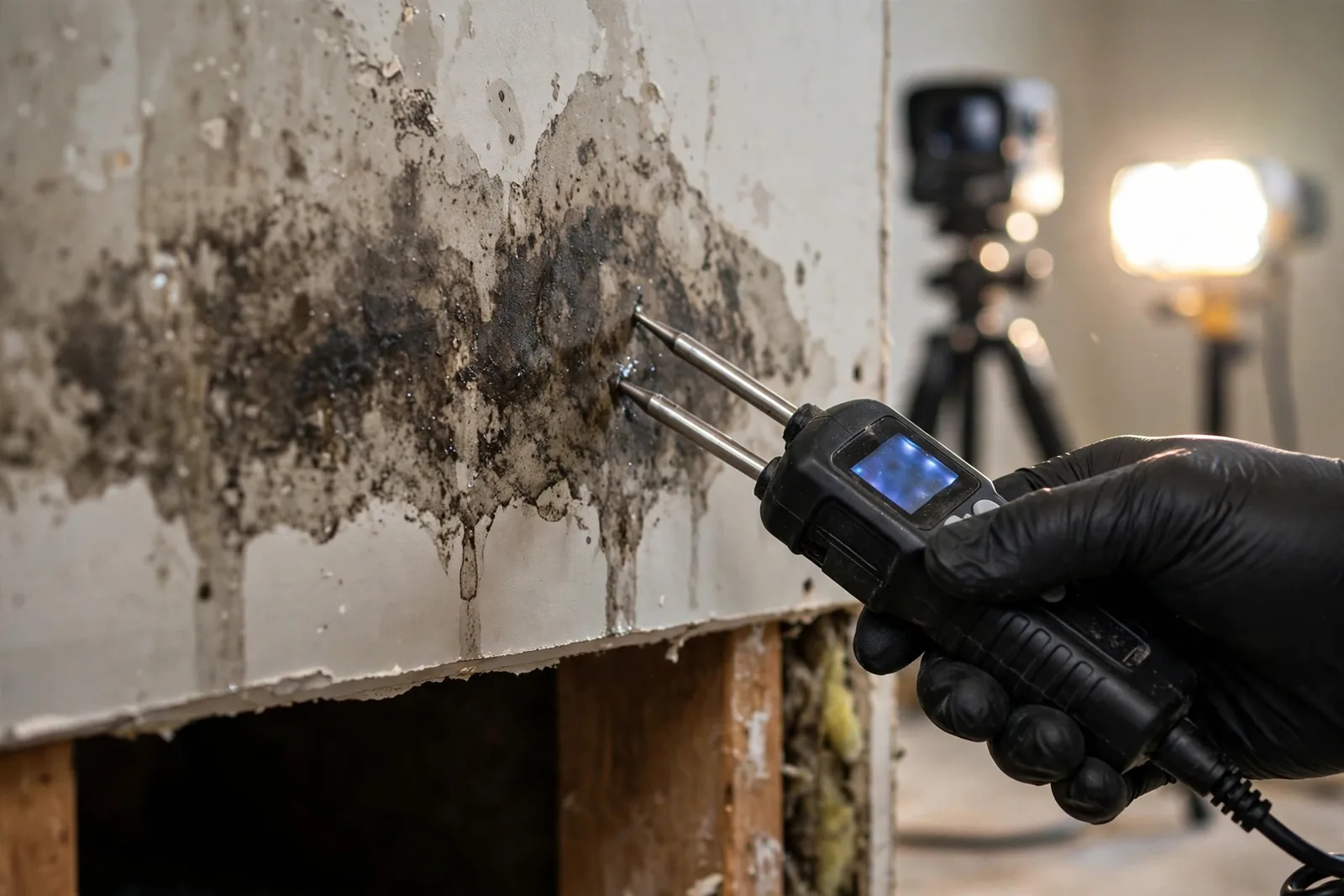
Restoration runs in a fixed order, because each stage makes the next one possible. It starts with inspection and moisture mapping: a pro records where the water travelled, which materials it soaked, and whether a sewage backup or other contamination is involved. Those readings shape every later decision, from what gets removed to how long drying equipment stays in place.
Extraction, Removal And Drying
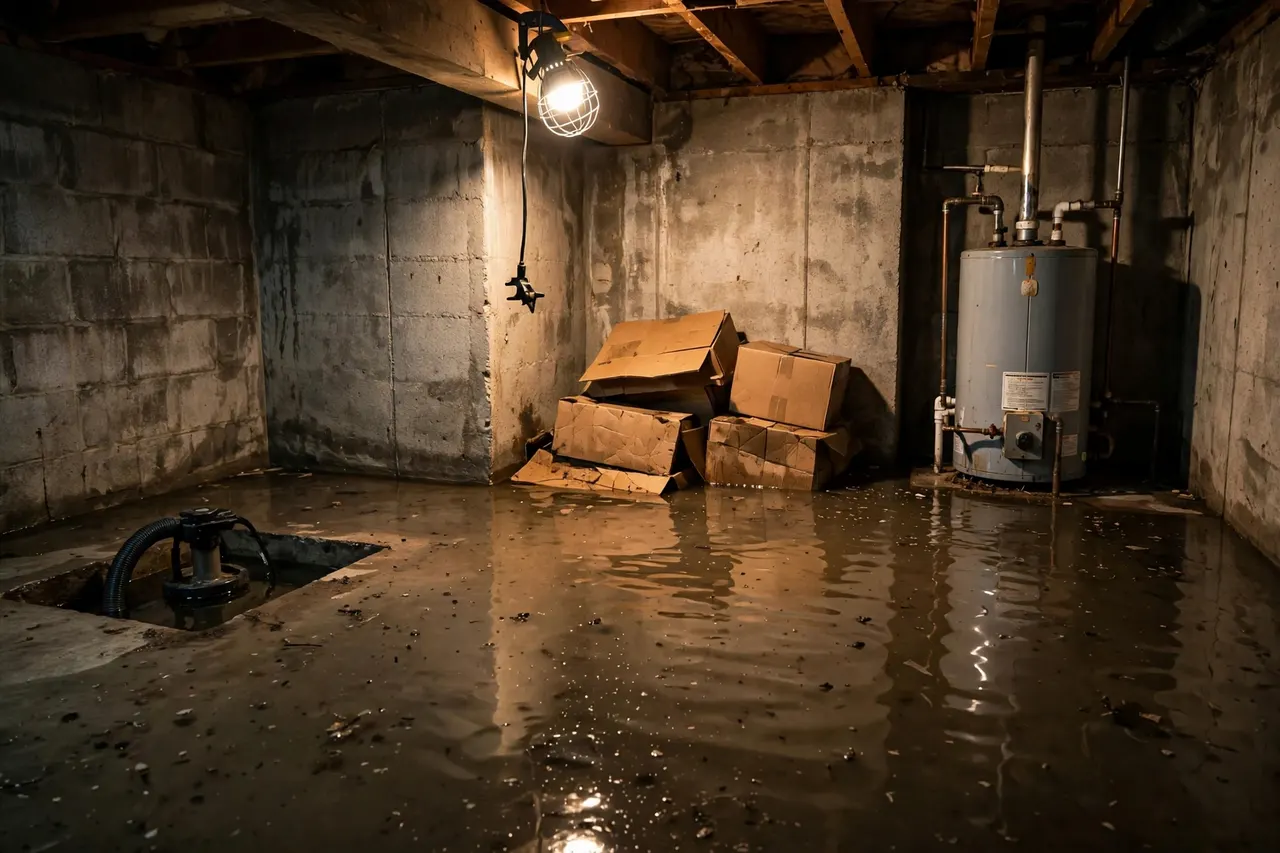
Next, standing water is removed with a submersible pump or a truck-mounted extraction unit, and materials that cannot be saved — carpet pad, wet insulation, swollen cabinetry — are taken out, sometimes with a flood cut into drywall so the framing behind it can dry. Air movers and a dehumidifier then dry the structure, checked daily against a drying log until readings reach their targets.
Cleaning, Treatment And Rebuilding
Surfaces that remain are cleaned and treated, hidden moisture in a wall cavity or crawl space is chased down with a thermal imaging camera and a moisture meter, and only then does rebuilding begin: new drywall, flooring laid over a dry subfloor, baseboards refitted and paint matched. Closing a wall before it is proved dry is the mistake the whole sequence exists to avoid.
Flood Water In Your Home Right Now?
One free call connects you with a local pro near you.
Which Rooms And Materials Does Restoration Cover?
Restoration covers any room the water reached, and the materials in it behave very differently. Drywall and insulation are porous, so after contaminated flooding the soaked sections usually come out. Hardwood flooring can sometimes be dried and kept; laminate and vinyl plank flooring often trap water against the subfloor beneath and have to come up so the wood below can dry.
A concrete slab, framing lumber and tile usually stay, and are cleaned, treated and dried in place. Belongings are handled through a contents packout: salvageable items are inventoried and moved out while rooms are emptied, and items soaked by contaminated water, such as mattresses and upholstered furniture, are usually discarded. The pro's moisture readings, not appearances, decide each material.
How Long Does Water Damage Restoration Take?
There is no single timetable, because the length follows the water: how deep it stood, how far it spread, and how long it sat before extraction began. Extraction and removal often happen within the first visits, structural drying commonly runs for several days with daily checks, and rebuilding follows once the drying log shows target readings throughout.
Homes where water entered wall cavities, soaked a crawl space, or carried sewage take longer at every stage. Black mold can begin growing on wet materials within 24 to 48 hours, which is why the clock matters: the sooner extraction starts, the more material survives and the shorter the rebuild. A pro can outline a phased estimate after the first inspection.
What Should You Document For Insurance During Restoration?
Document everything from the doorway before anything is moved: photographs and short video of each room, the water line on the walls, and damaged belongings before any are discarded. Keep receipts for emergency work and for items you had to replace, and ask the pro for the drying log — a dated record of moisture readings showing the damage was real and the drying was necessary.
Know which policy applies. Standard homeowners insurance usually does not cover outdoor flood water; flood damage is typically covered only under a separate flood policy, such as one through the National Flood Insurance Program run by FEMA. Photograph serial numbers on appliances and on the HVAC system where water reached them, and keep every document in one folder until the claim closes.
When Is A Home Fully Restored, And What Comes Next?
A home is fully restored when moisture readings sit at dry targets, contaminated materials are gone, treated surfaces are clean, and rebuilt rooms match their pre-flood function — floors level, walls finished, cabinetry and baseboards back in place. The final walk-through with the pro is the moment to check each room against the photographs you took before work began.
If water has damaged your home, you do not have to sequence the stages yourself. Call (800) 555-0100 — one free call connects you with a local pro who can arrive in 30–60 minutes in the cities served, map the damage room by room, and explain the restoration plan before work begins.