How To Prevent Basement Flooding
Reviewed By Hamza 8 Min Read
Quick Answer
You prevent basement flooding in layers: slope soil and extend downspouts so rainwater leaves the foundation, keep gutters clear, maintain a tested sump pump with backup power, seal cracks and the floor joint, and manage drainage below ground. No single measure holds on its own — the layers cover for each other in heavy rain.
Prevention works in layers, from the roofline down to the sump pit. No single product keeps a basement dry; what works is stopping water reaching the foundation, giving the water that does arrive a controlled way out, and keeping every part of that system maintained. Build the layers in this order.
Start Outside: Move Rainwater Away From The House
Start outside, because most basement flooding begins as rain delivered to the wrong place. The ground beside your foundation should slope away from the walls so water sheds outward instead of pooling against them. Where soil has settled along the wall line — a common sight in older homes — build it back up and compact it so the fall is restored.
Keep hard surfaces honest too. Patios, paths and driveways that have tilted towards the house over the years pour their runoff straight at the basement wall. Window wells should drain freely and sit clear of soil. Every litre of water the yard sends away from the foundation is a litre the walls, joints and pump never have to deal with.
How Do Gutters And Downspouts Prevent Basement Flooding?
Gutters and downspouts prevent basement flooding by collecting the whole roof's rainfall and discharging it away from the foundation. A blocked gutter does the opposite: it spills a concentrated curtain of water down one wall for the length of a storm, saturating the soil at the exact point where the basement is most vulnerable.
Clean gutters and downspouts regularly, repair sections that sag or leak at joints, and extend downspouts so the outlet sits well away from the house on ground that continues to fall. During heavy rain, walk outside briefly if it is safe and watch the system work — overflowing corners and outlets pooling at the wall are faults you will never spot from indoors.
Does A Sump Pump Prevent Basement Flooding On Its Own?
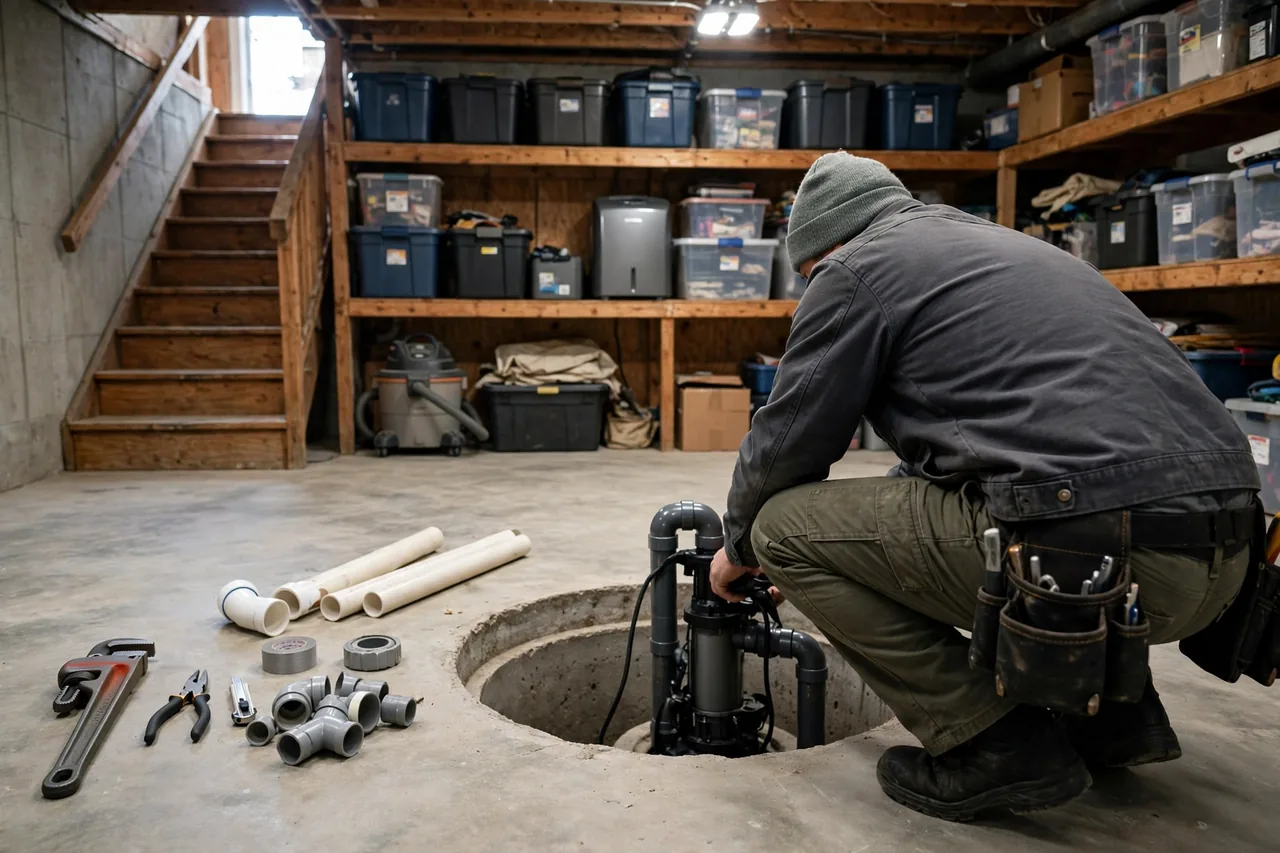
A sump pump prevents the groundwater collected around your foundation from rising into the basement — but only while it runs. The Submersible Pump sits in a pit, lifts collected water and discharges it outside. It is the last line of defence for groundwater, and it does nothing about water arriving over the ground or back up the drains.
So maintain it like the defence it is. Test it regularly by lifting the float or adding water to the pit, clear silt that can jam the intake, and check the discharge line is unobstructed. Because storms cut power at the moment pumps work hardest, a battery backup and a high-water alarm turn a single point of failure into a system. Prevention that depends on one motor, untested, is a hope rather than a plan.
What Sealing And Drainage Work Helps Below Ground?
Below ground, the aim is to manage pressure, not pretend it away. Seal visible cracks in walls, in the Concrete Slab and the joint where the wall meets the floor, and keep pipe penetrations pointed and sound. Sealing slows groundwater seepage and buys the drainage time to work, although no coating alone withstands sustained hydrostatic pressure.
Flood Water In Your Home Right Now?
One free call connects you with a local pro near you.
Where seepage persists, interior drainage channels collect water at the floor joint and lead it to the sump pit, so pressure is relieved before it lifts flooring or soaks drywall. Exterior drainage beside the foundation does the same job from outside where access allows. A pro can judge which side suits your home after mapping where moisture actually enters, rather than selling the same system to every basement.
Keep floor drains part of the system rather than an afterthought. A clear floor drain gives small inflows somewhere harmless to go and reveals trouble early, because water standing over a blocked grate is an unmistakable warning. Fit a backwater valve where drain reversal is your known pattern, and have drain lines inspected when backups repeat. Below-ground prevention fails quietly, so every part of it — channels, valves, drains and the pit — earns a place on the same check as the pump.
How Do You Prepare For Heavy Rain Specifically?
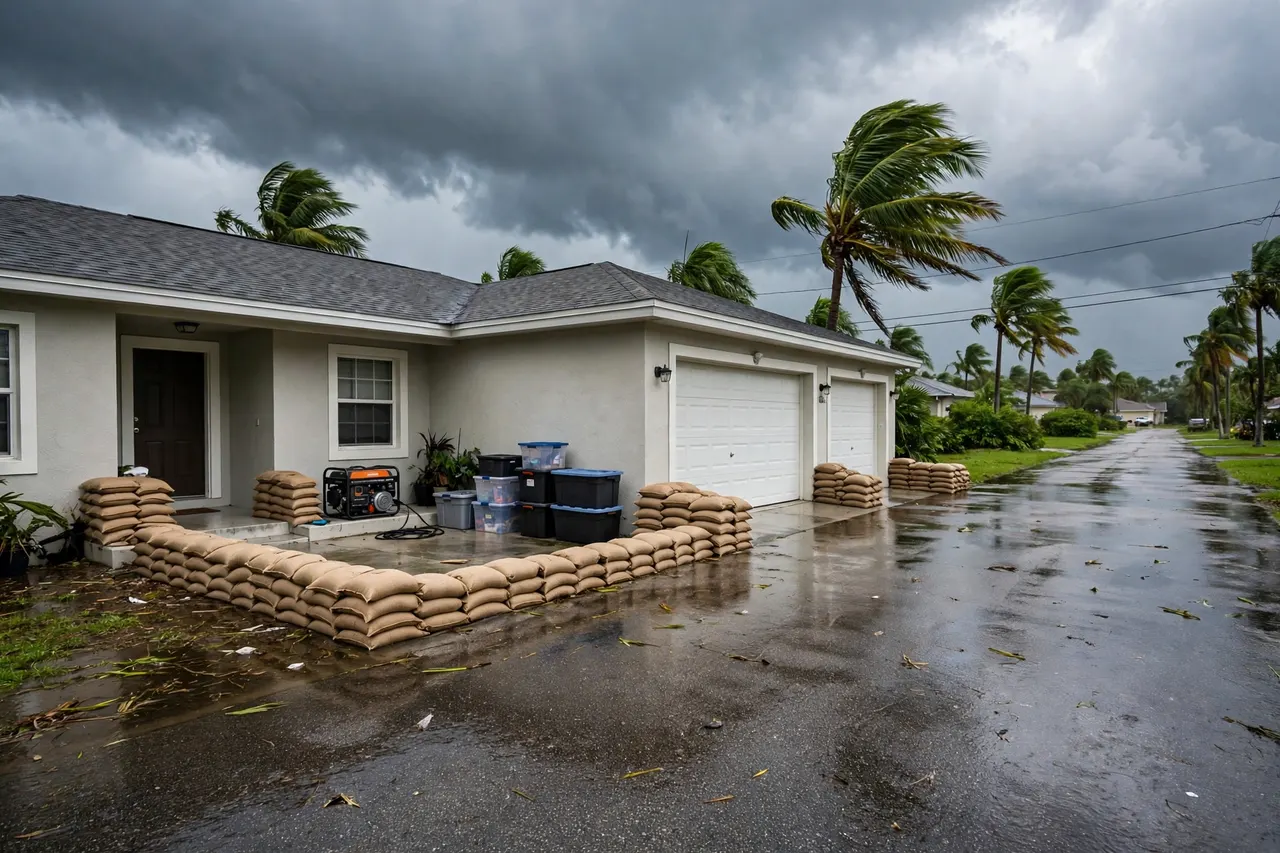
Heavy rain prevention is the everyday system, checked under load. Before a forecast storm, clear leaves from gutters, yard drains and window wells, confirm the sump pump runs, and raise anything stored on the basement floor onto shelving. If your flooding history involves drains, know where your clean-outs are and keep the floor drain grate clear.
During the storm, stay alert to the two failure sounds: a pump that runs without stopping, and water arriving at fixtures. Afterwards, inspect while the evidence is fresh — pooling lines against walls, silt fans at downspout outlets, damp at one corner. Each storm is a free inspection of your prevention layers, and the repairs it suggests are cheapest made in dry weather.
What Indoor Habits And Checks Reduce The Risk?
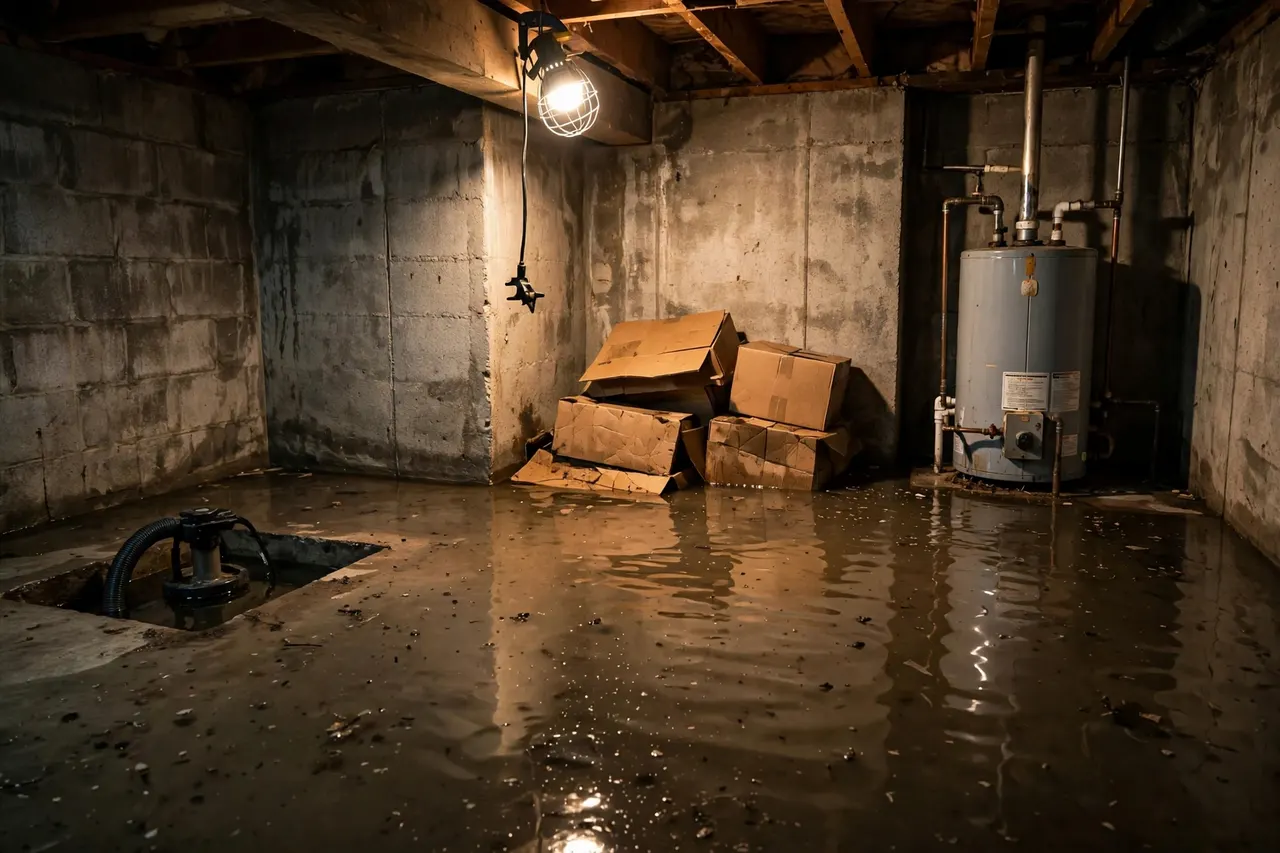
Indoor habits decide how much a failure costs you. Store belongings on shelving in sealed plastic boxes, never in cardboard on the slab. Keep the floor drain visible and reachable, not buried under stored items. Fit water alarms near the water heater, washing machine and sump pit so a leak announces itself in minutes rather than at the next visit downstairs.
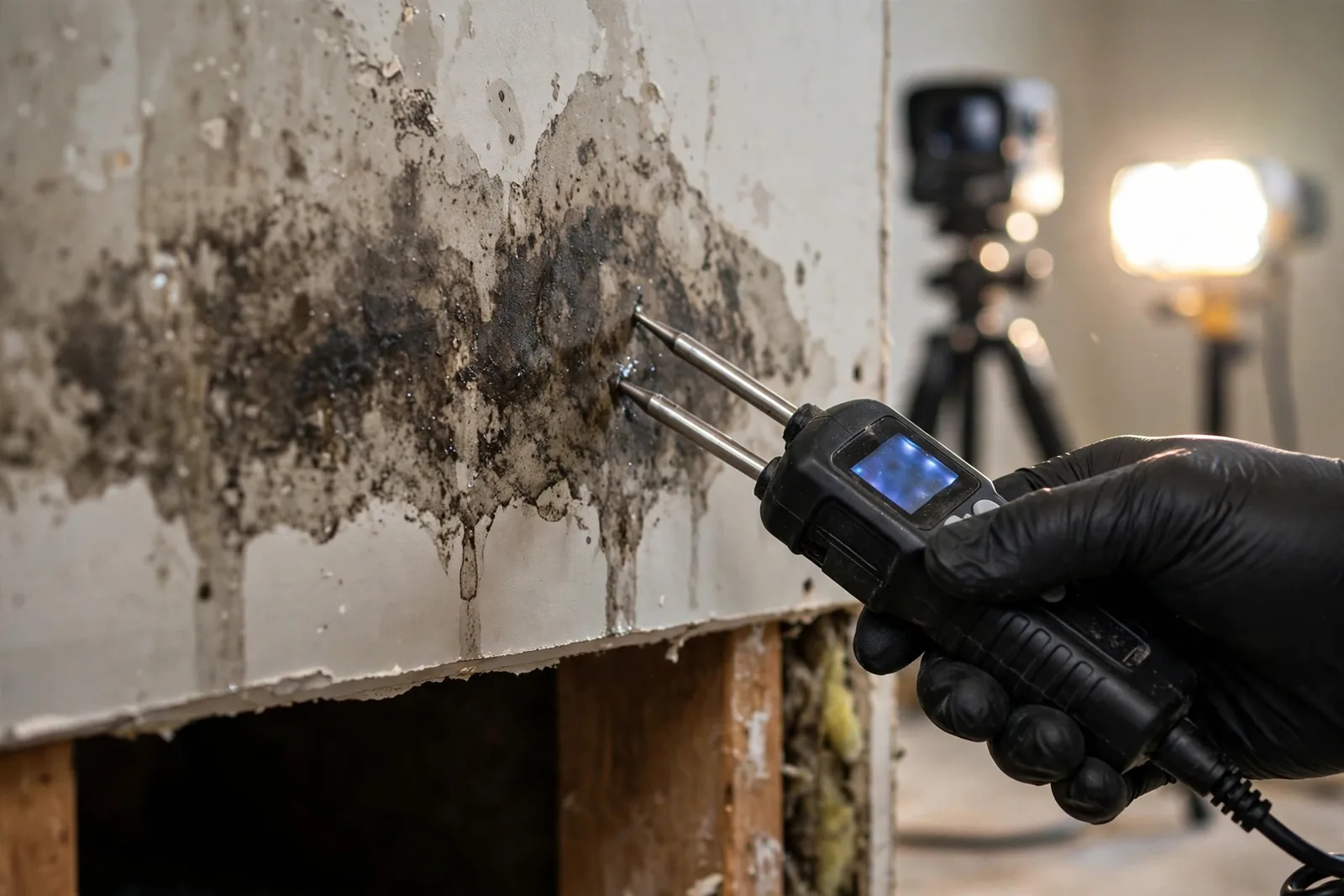
Check the basement after every significant storm, even when it stayed dry: take Moisture Meter readings at the floor joint and look for mineral staining, musty smells and a pit that filled higher than usual. Small seepage caught early is a maintenance job. The same route ignored becomes standing water, soaked insulation and black mold growing inside a wall cavity between storms.
What Prevention Cannot Do, And When To Call A Pro
Prevention cannot repeal weather. Exceptional rainfall, a surcharged municipal sewer or a rising water table can defeat well-maintained layers, which is why flood cover and a practised response plan still matter. Prevention lowers how often you flood and how deep it gets; it does not promise a dry basement in every storm.
Call a pro when water has already entered, when the same damp returns after outside work, or when the next step involves drainage, excavation or drain lines. If your basement floods despite your layers, call (800) 555-0100 — one free call connects you with a local pro who can arrive in 30–60 minutes in the cities served, extract the water and dry the structure with an Air Mover and Dehumidifier setup before the next storm tests it again.