Can Flooding Damage Your Home's Foundation?
Reviewed By Hamza 8 Min Read
Quick Answer
Yes, flooding can damage a foundation, mainly through water pressure against walls, soil washed out from beneath footings and slabs, and soil that swells or shrinks as it wets and dries. Many flooded homes escape structural harm, but new cracks, sticking doors and uneven floors after a flood should be checked rather than ignored.
After the water leaves, most homeowners check floors, walls and furniture — and forget the structure underneath. A foundation usually survives a flood, but water attacks it in ways that are slow, quiet and worth understanding before you rebuild over the top of a problem.
Can Flood Water Damage A Foundation Or Slab?
Yes, flood water can damage a foundation or slab, although the concrete itself is rarely the weak point. Concrete tolerates getting wet. The damage comes from what the water does around it: pressure pushing sideways on walls, moving water washing soil away, and saturated ground changing how it supports the footings the house stands on.
That is why two homes on the same street can flood and fare differently. Depth, speed and duration of the water, the type of soil, and the condition of the foundation before the flood all decide whether the result is a cleanup job or a structural repair as well.
How Does Flood Water Put Pressure On Foundation Walls?
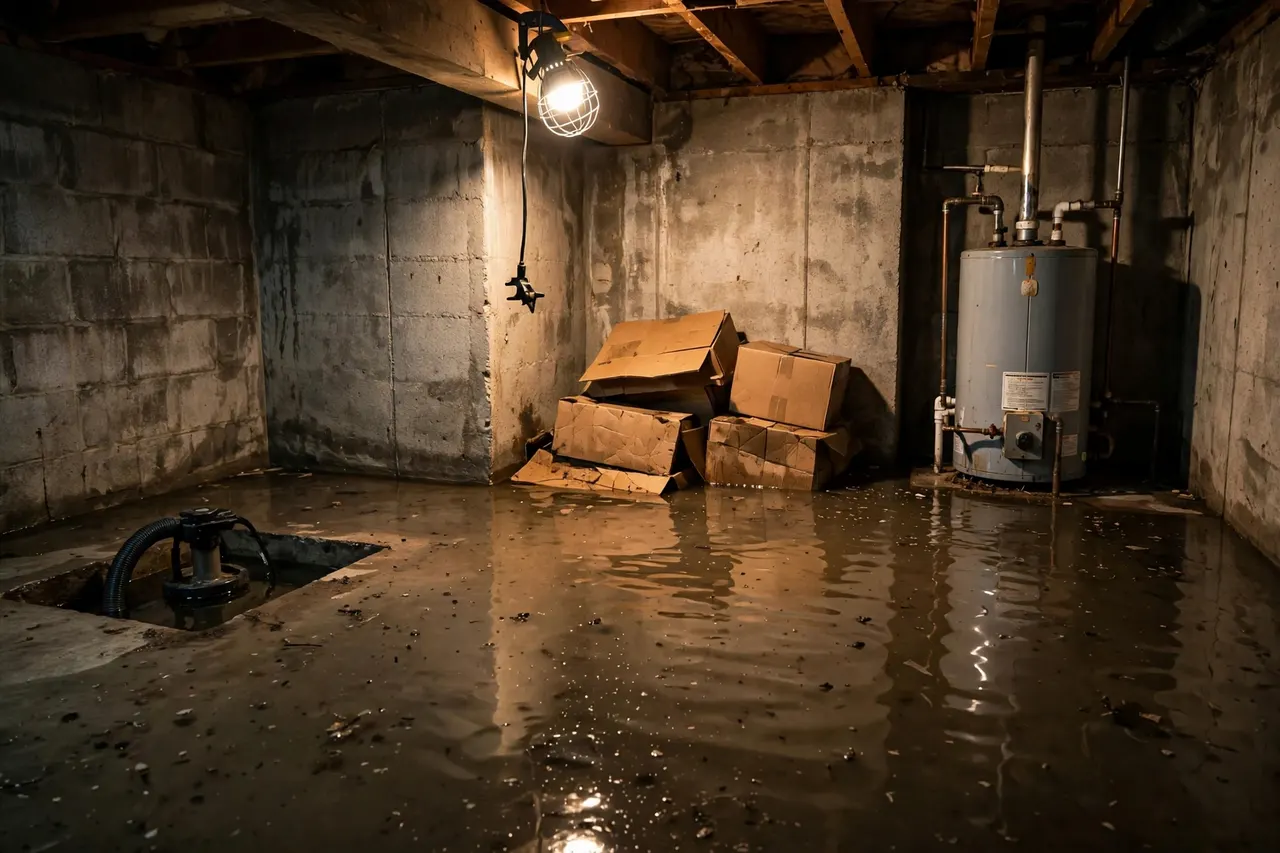
Water standing against a basement or crawl space wall pushes on it with hydrostatic pressure, and saturated soil pushes harder than dry soil. The deeper the water outside and the emptier the space inside, the greater that sideways load. Walls that were already cracked or bowed are the most vulnerable to being pushed further in.
Moving water adds a second force. Flow across a foundation can scour soil away from the outside of footings, and water forced under a slab edge can lift or undermine sections of floor. This is why pros advise against pumping a flooded basement out too fast while the ground outside is still saturated — the pressure difference can work against the walls.
What Happens To The Soil Under And Around A Foundation?
Soil is half the foundation system, and flooding changes it. Fast water erodes channels along footings and can leave voids under slabs and porches. Fine soil particles wash out, and the ground that remains may settle unevenly as it dries, letting parts of the structure drop slightly while others stay put.
Clay soils behave differently: they swell as they absorb water and shrink as they dry out. A flood followed by a long dry spell can therefore move a foundation twice — pressure while wet, then loss of support as the clay contracts. Homes on expansive clay often show this as cracks that open and close with the seasons.
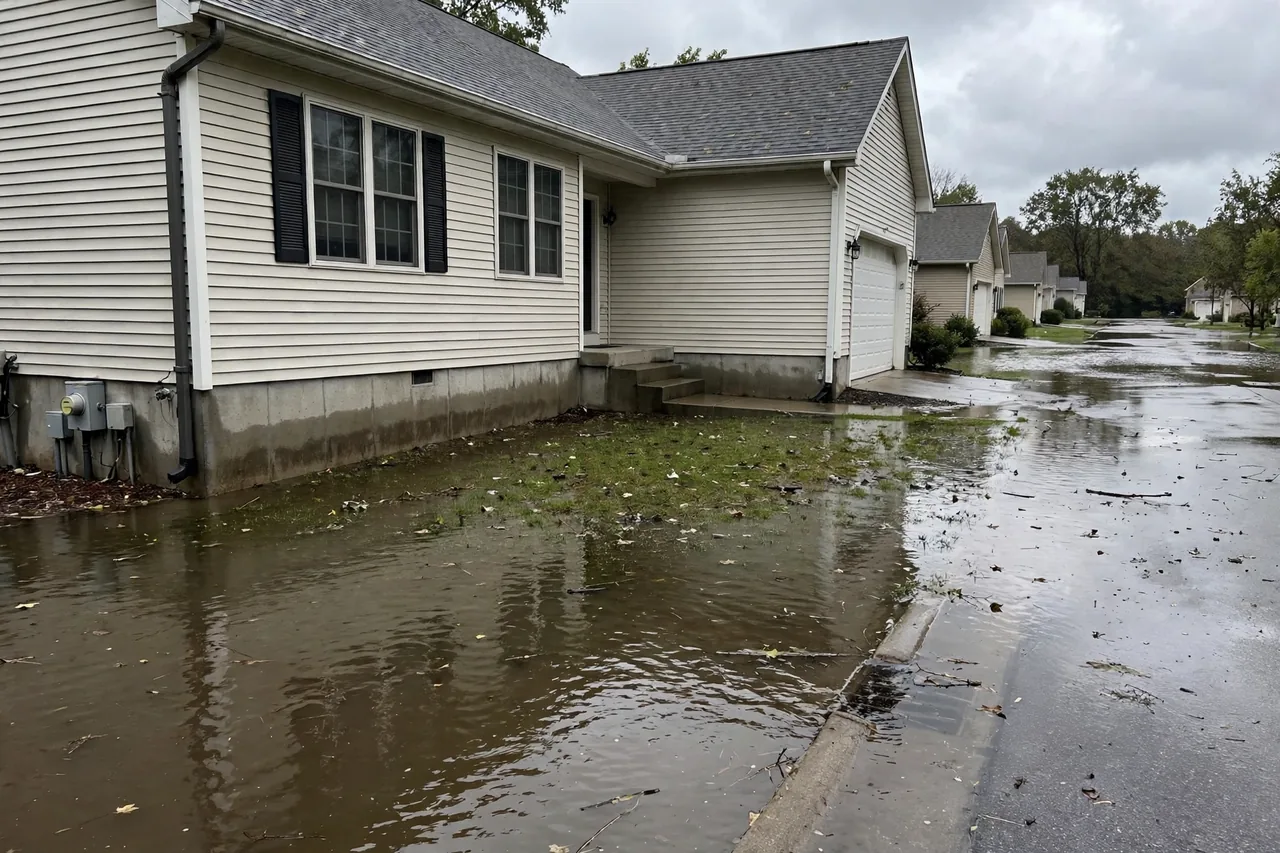
Even without erosion or clay, saturated soil and Groundwater Seepage leave the ground supporting the footings less evenly. Footings rest on ground that has softened, and areas of the yard that puddle longest — beside downspouts, along a poorly graded wall — stay soft longest. That uneven softening is why flood-related settlement often appears under one corner or one wall of a home rather than across the whole structure, and why drainage faults visible during the flood are worth noting for afterwards.
What Are The Signs Of Foundation Trouble After A Flood?
New cracks are the clearest sign, especially wide cracks, cracks that run diagonally, or a crack that is wider on one side than the other. Stair-step cracks through brick or block mortar, and a fresh crack that crosses a slab floor, deserve attention. Thin hairline cracks in concrete are common in any home and often pre-date the flood.
Flood Water In Your Home Right Now?
One free call connects you with a local pro near you.
Movement shows up in the rooms above too. Doors and windows that suddenly stick or will not latch, gaps opening where walls meet ceilings, sloping or springy floors, and tiles cracking along a line all suggest the structure shifted. Compare with photographs taken before repairs, and note anything that keeps changing weeks after the flood.
How Is A Slab Affected Differently From A Basement Or Crawl Space?
A slab-on-grade home has no open space below the floor, so the risks are erosion beneath the slab, water wicking up through the concrete into flooring, and moisture trapped between the slab and floor coverings. Vinyl and laminate can look intact while the slab underneath stays wet, which is why pros take moisture readings through or at the edges of flooring.
Basement and crawl space homes face the wall-pressure problem instead, plus water collected in an enclosed space against framing and the sill plate. Each type needs its own inspection: slabs are checked for voids, level change and hidden moisture, while below-grade spaces are checked for wall movement, standing water and soaked materials.
How Does A Pro Check A Foundation After Flooding?
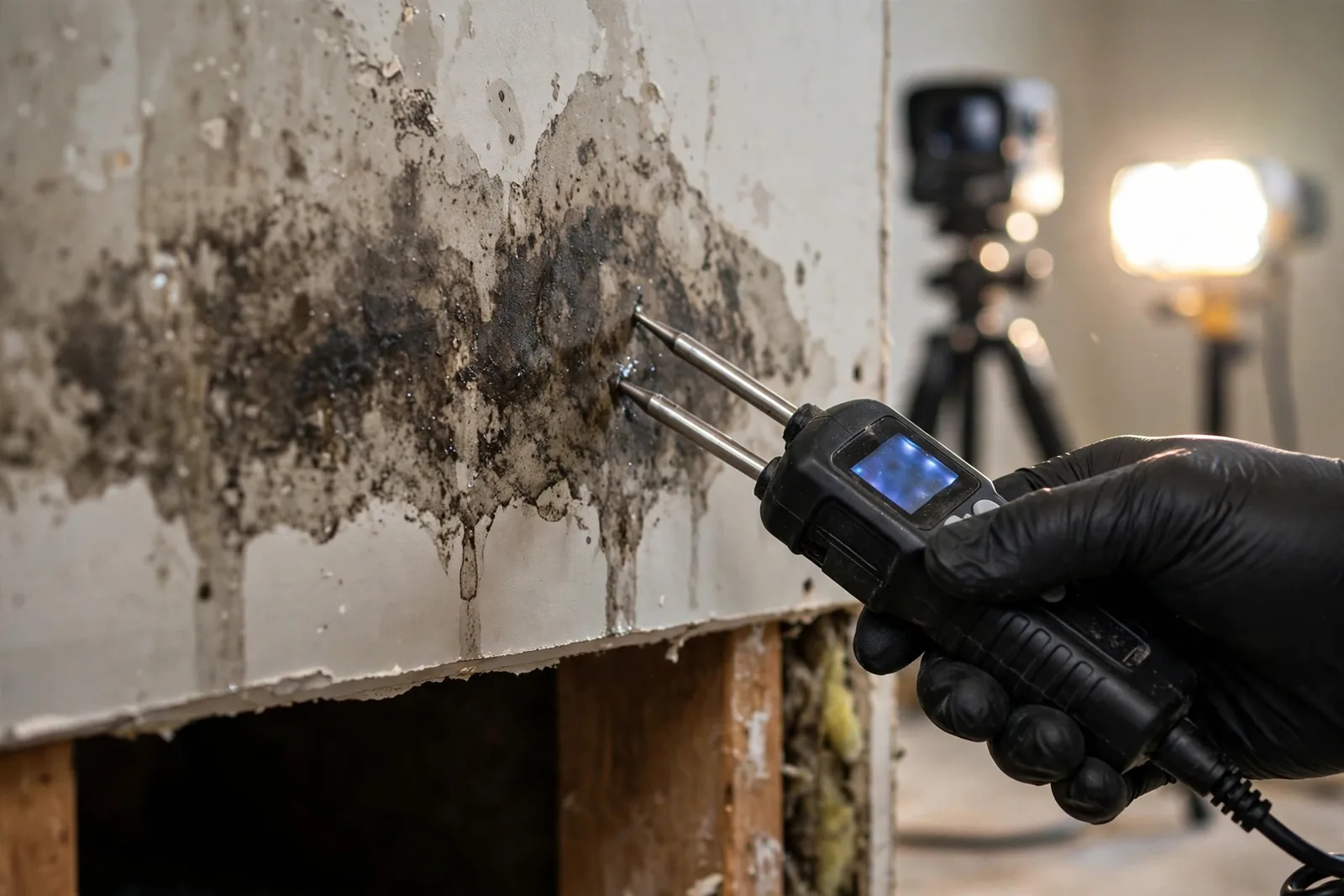
The check starts outside: drainage patterns, eroded soil, displaced mulch and Silt And Mud lines showing how deep and how fast the water moved. Inside, a pro measures moisture in walls and floors with a moisture meter, records Moisture Mapping of where water travelled, and looks for the crack and movement signs described above, room by room.
Cleanup pros handle the water side — extraction, removing ruined materials, cleaning and structural drying — and will tell you when findings point beyond cleanup. Wide or growing cracks, visibly bowed walls, or major floor movement need a structural assessment before restoration covers them up. Photographs and a drying log document the flood's footprint for an insurer or FEMA either way.
What Should You Do, And Avoid, After A Flood Near Your Foundation?
Photograph water lines on the foundation, new cracks and any washed-out soil before you clean up, and keep photographing as the home dries. Get standing water out and the structure dried promptly: prolonged saturation is what turns a sound foundation into a damaged one. Keep heavy vehicles and stored materials away from softened ground beside the walls.
Avoid two common mistakes. Do not rush to fill or paint over new cracks before they have been assessed — fresh filler hides the evidence an inspector or insurer needs. And do not assume a dry-looking slab is a dry slab; hidden moisture undermines new flooring long after the flood.
Worried about what the water left behind in your structure? Call (800) 555-0100 — one free call connects you with a local pro who can arrive in 30–60 minutes in the cities served, dry the home to measured targets, and flag anything that needs a structural look.