Flooded Vacation Rental Or Second Home: What To Do From Far Away
Reviewed By Hamza 8 Min Read
Quick Answer
Start by phone: keep the guest or finder safe and out of the water, get photographs from the doorway, and call for a local pro who can enter with your key holder, extract the water and start drying. Decisions about removal, bookings and belongings then follow the pro's moisture readings, photographs and written inventory, all of which you can review from home.
A flooded rental is hard enough when you live nearby. When the call comes while you are hours away, every decision has to travel by phone, photograph and trust. A clear order of steps keeps an absent owner in control.
How Do Absent Owners Usually Find Out A Rental Has Flooded?
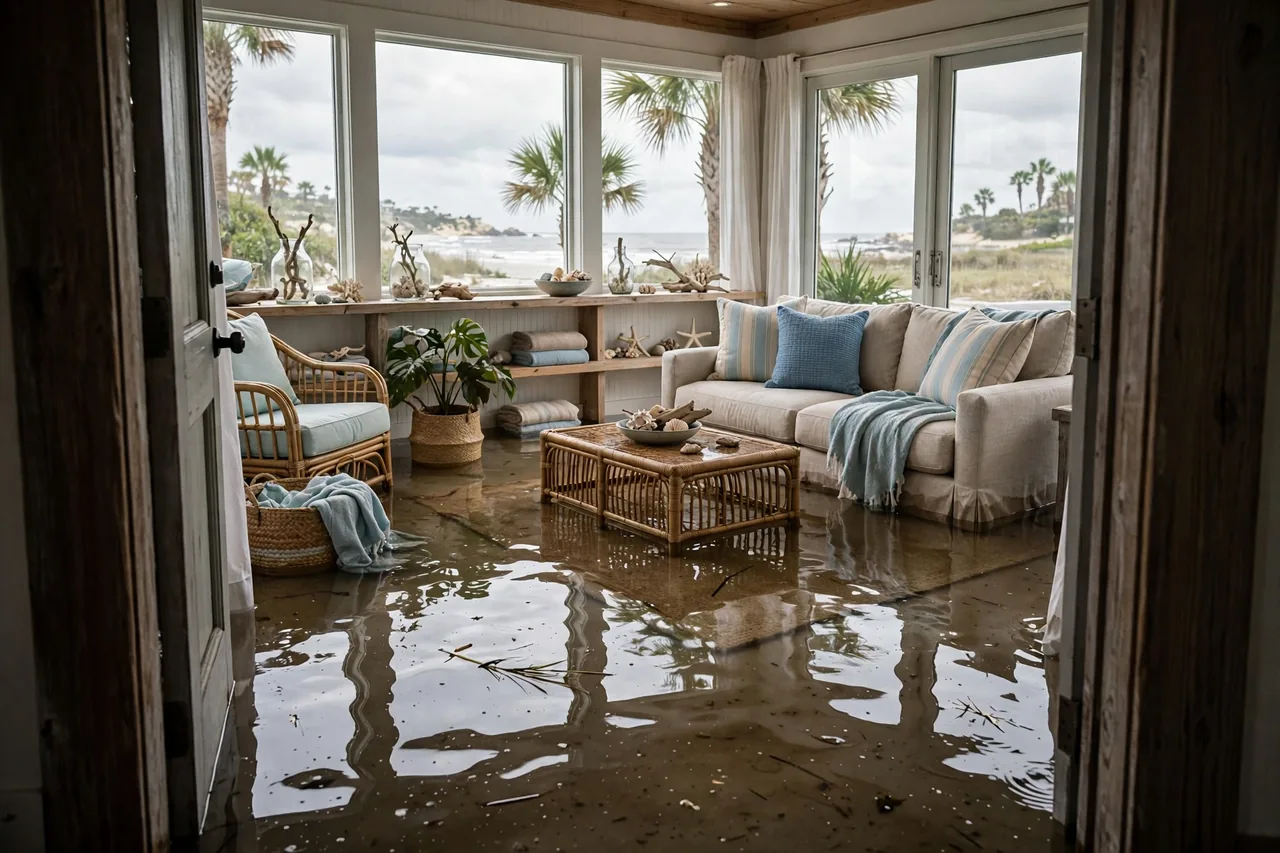
Often a guest makes the call, standing in a wet kitchen and unsure what to touch. Sometimes a cleaner, manager or neighbour notices water under a door, a musty smell, or a street outside that has flooded. Occasionally nobody finds out until the next arrival, by which time standing water has soaked floors and wall bases for days.
Whoever reports it, treat the first report as the start of the clock. Mold can begin within 24 to 48 hours on wet materials, and every hour of delay pushes moisture deeper into a home nobody is watching.
What Should You Ask The Person Who First Enters The Property?
Ask what they can see from a dry doorway: which rooms are wet, how deep the water looks, whether it is still rising, and whether there is a sewage smell or water near outlets and appliances. Ask for wide photographs of each room rather than a single close view, taken without walking through deep water.
Tell them plainly what not to do. Guests and neighbours should not use flooded appliances, move heavy soaked furniture, or tear up flooring. Their job is to report, photograph and keep people safe until a pro is inside.
How Can A Local Pro Reach The Home When You Cannot?
Help can start without you. Call (800) 555-0100 — one free call connects you with a local pro who can arrive in 30–60 minutes in the cities served. Your part is access: a manager, cleaner, co-host or trusted neighbour who holds spare access and can meet the crew, unlock the home and stay reachable.
Agree that access plan before flood season if you can. In an emergency there is no time to hunt for a key holder, and a pro standing at a locked door cannot extract water that is still soaking the subfloor.
What Decisions Can You Make By Phone, And What Needs Photos First?
Extraction, safety checks and starting structural drying are urgent decisions you can agree by phone once the pro has inspected and mapped moisture room by room. Removal decisions deserve photographs: soaked carpet and carpet pad, wet insulation, swollen cabinetry and damaged drywall opened with a flood cut should all be pictured before they leave the home.
Flood Water In Your Home Right Now?
One free call connects you with a local pro near you.
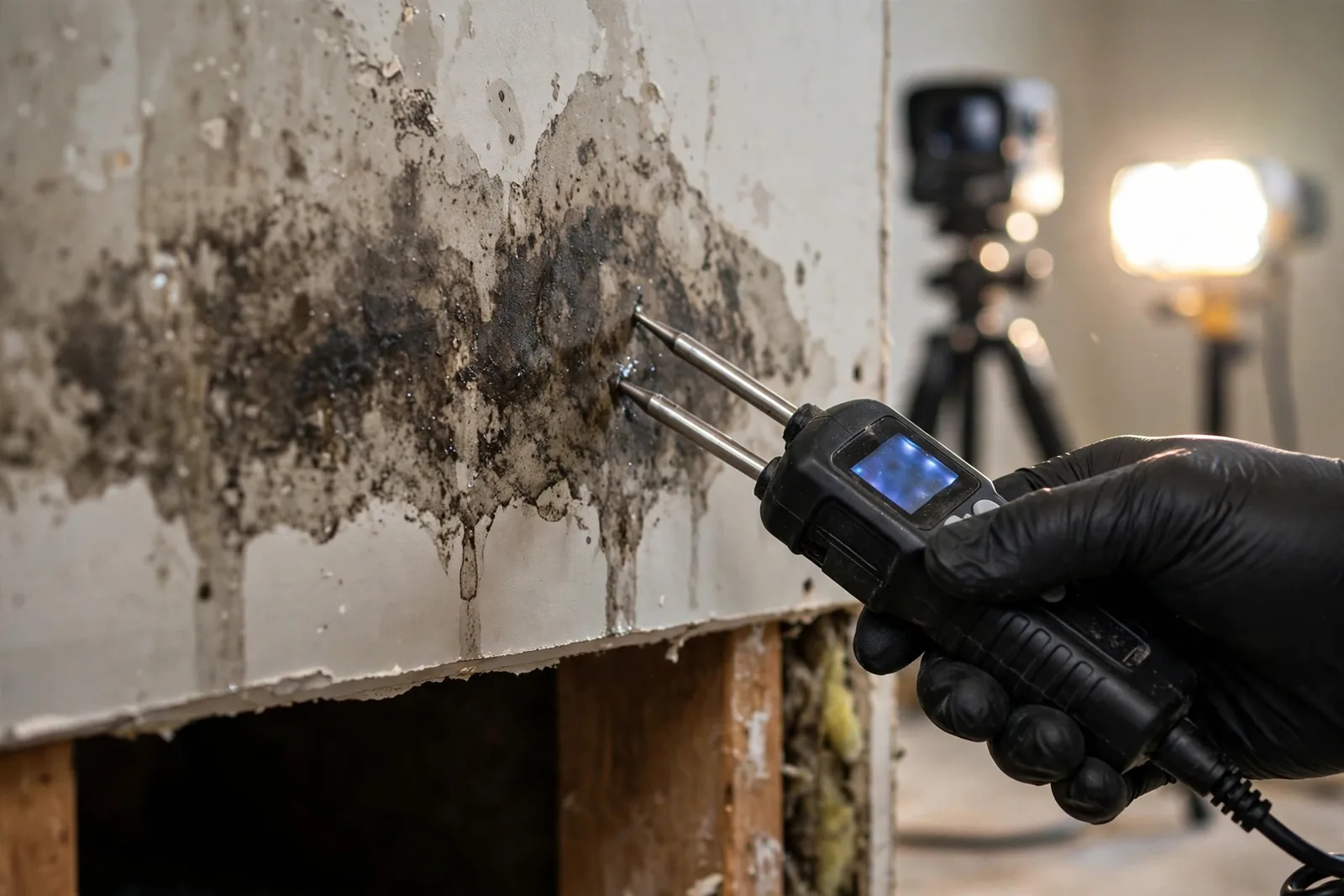
Ask the pro to talk you through the moisture mapping. Readings from a moisture meter and images from a thermal imaging camera show why one wall can dry in place while another must be opened, so you are approving a plan, not guessing.
How Are Guests, Bookings And Belongings Handled After A Flood?
Guests in the home come first: their safety, their belongings kept dry where possible, and honest information about what happens next. For future bookings, wait for the pro's view of the affected rooms and the drying stage before deciding what can honestly go ahead, and contact guests early rather than at the last moment.
The property's own contents are handled through a contents packout when rooms must be emptied. Salvageable items are inventoried and moved; items soaked by contaminated water, such as mattresses and soft furnishings, often cannot be kept. Ask for that inventory in writing.
How Do You Document Damage From Another City Or State?
Build one folder and put everything in it: the first photographs, the pro's moisture readings and drying log, the packout inventory, messages with guests and your key holder, and receipts for emergency work. A drying log kept day by day is strong evidence that the structure reached dry targets before rooms were closed again.
Flood damage is usually covered only by a separate flood policy rather than a standard homeowners policy, so check your own wording and keep records either way. Ready.gov and FEMA publish guidance on documenting damage and staying safe after flooding, which is worth reading before you need it.
What Should You Set Up Before The Next Stay So This Is Easier?
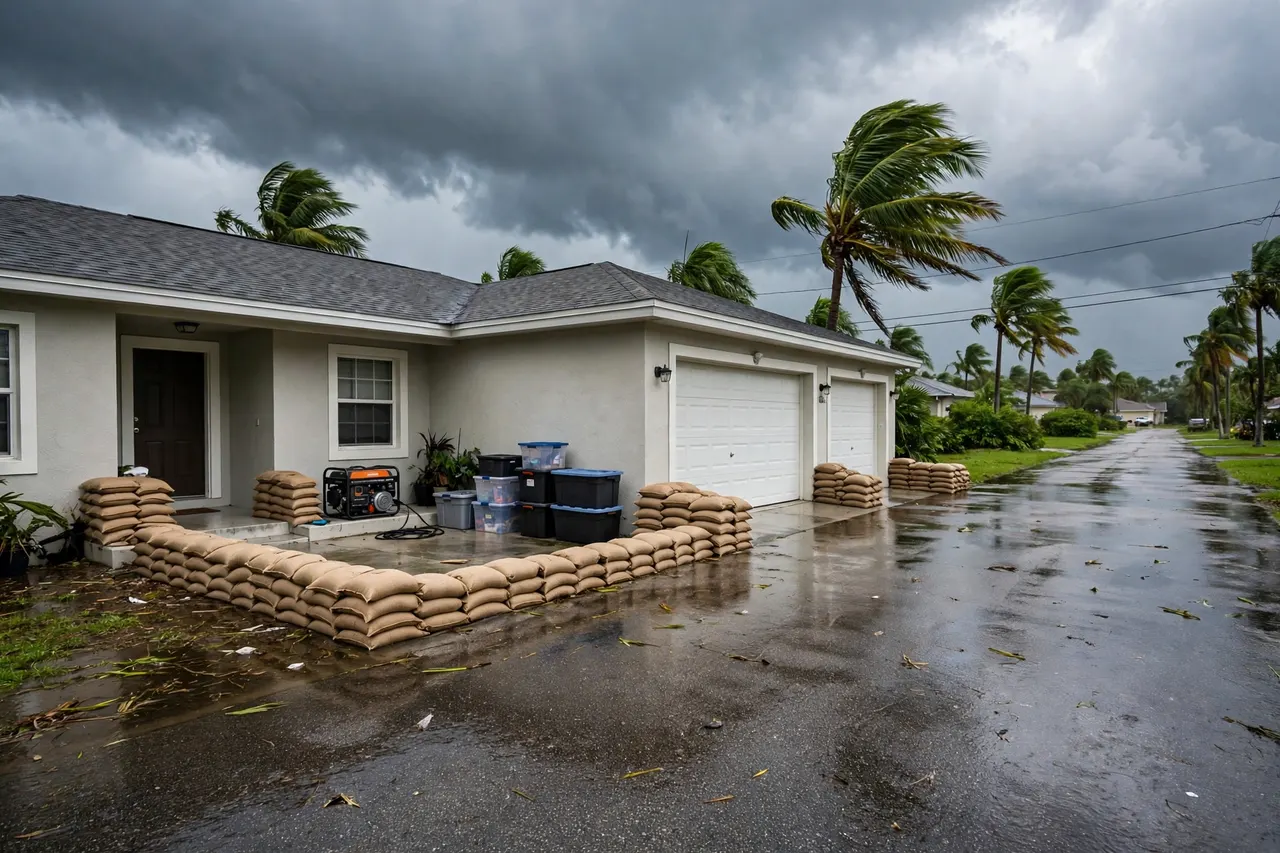
Leave a short emergency plan inside the home naming who guests should call, where shutoffs are, and what never to touch on wet floors. Line up your key holder, keep their number in the plan, and consider water sensors in ground-floor rooms that alert your phone when you are away.
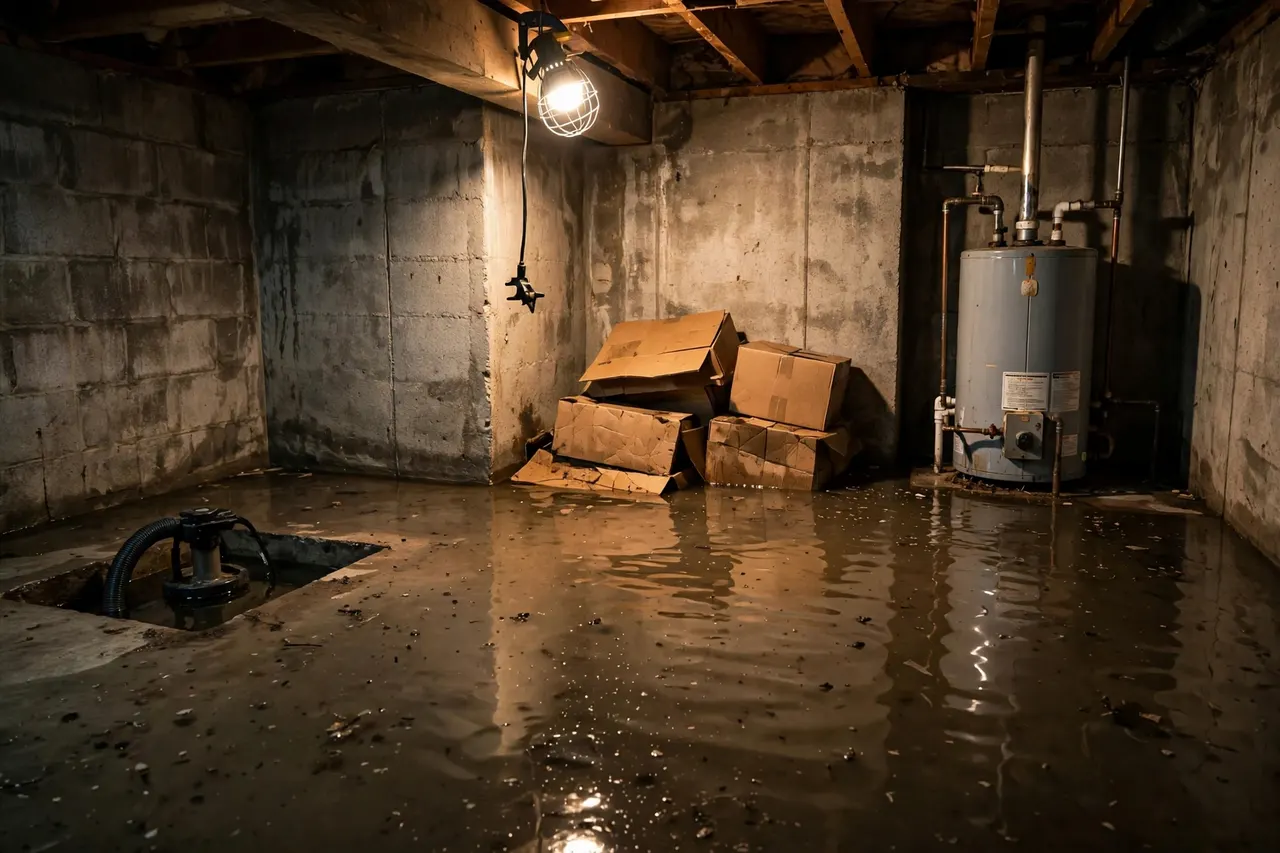
Between stays, arrange for your local person to walk through the property after heavy rain as well as before arrivals, checking ground-floor rooms, the water heater area and any crawl space access for damp, odours or staining. A short message confirming all is dry costs nothing, while an early warning can turn a major flood into a small, contained cleanup job.
Distance does not have to mean helplessness. With access arranged and a local pro on call around the clock, an absent owner can still move fast. Flood Cleanup USA is available 24/7 on (800) 555-0100, so the first call works the same whether you are across town or across the country.