Getting Your Home Ready For The Next Flood
Reviewed By Hamza 8 Min Read
Quick Answer
A home is made ready for the next flood by working outward in: barriers at the openings water used last time, ground graded so water runs away from the walls, drainage that carries it off the plot, a backflow valve on the drain line, and indoor changes that lift what water would ruin.
The time to prepare for a flood is after the last one, while you still remember exactly where the water came in, how deep it got, and what it ruined. Readiness is not one product. It is a series of changes, from the street side of your doors to the slope of your yard, that together give the next flood less to reach and less to damage.
Start With What The Last Flood Taught You
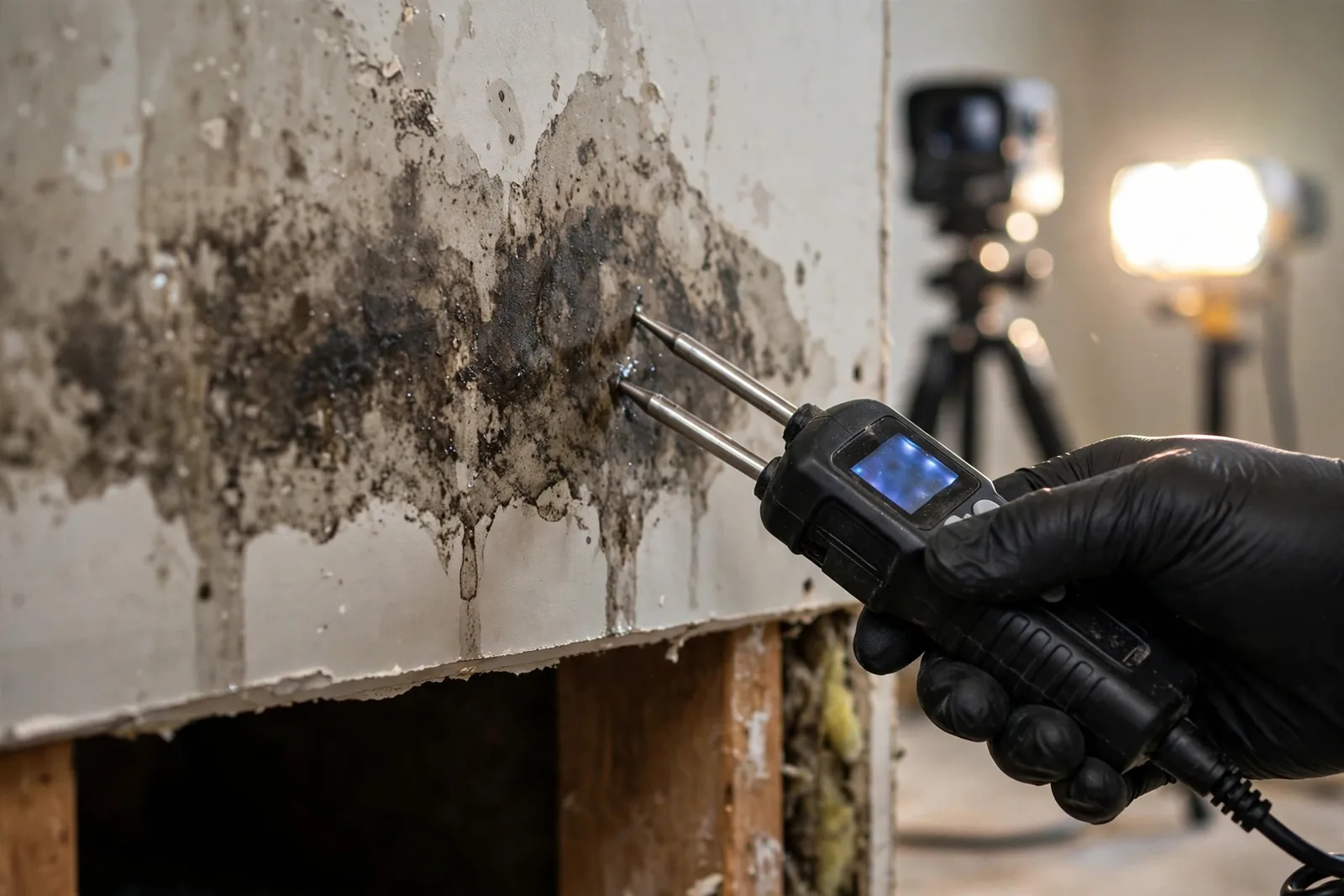
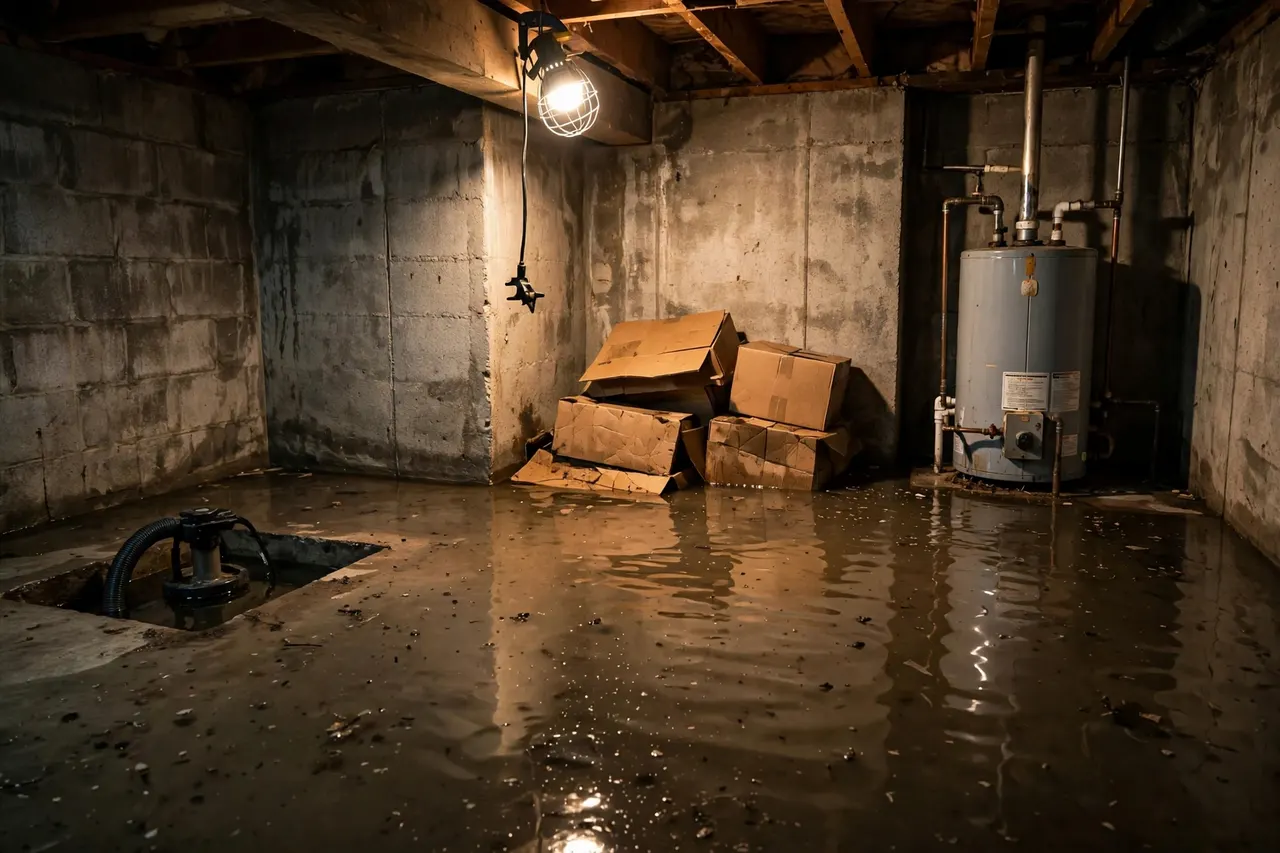
Start with a written record of the last flood. Note which door, vent or drain let water in first, the highest mark it left on each wall, and which rooms stayed dry. Photographs and a simple sketch of water levels are more useful than memory a year later, and noting the home's Flood Zone alongside them tells you where readiness money does the most work.
Walk the outside of the home. Water follows the lowest route, so look for the gap under a door, the air vent at ground level, the cracked seal around a pipe, and the corner where the yard dips toward the foundation. Most homes are entered at a handful of points, and those points are where you start.
How Do Barriers Slow Water At Doors And Openings?
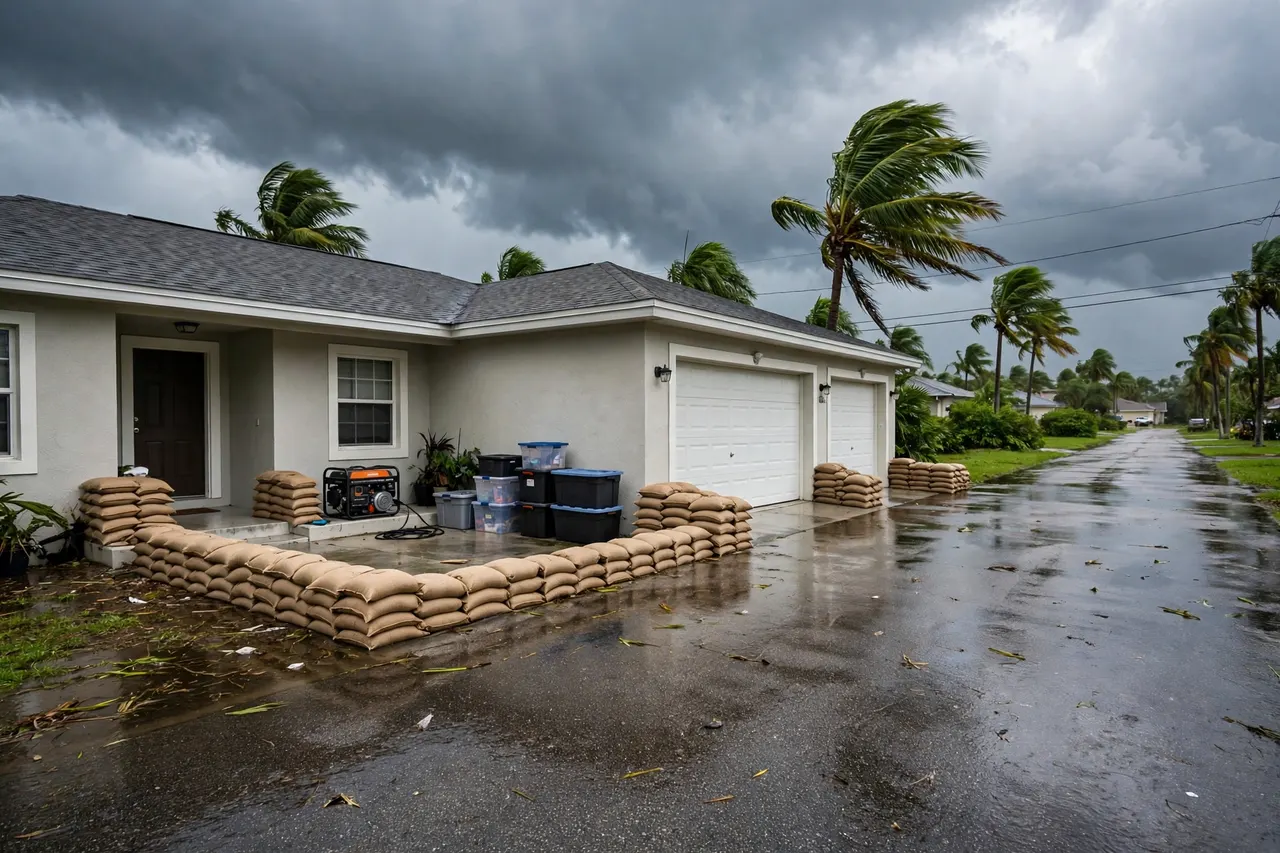
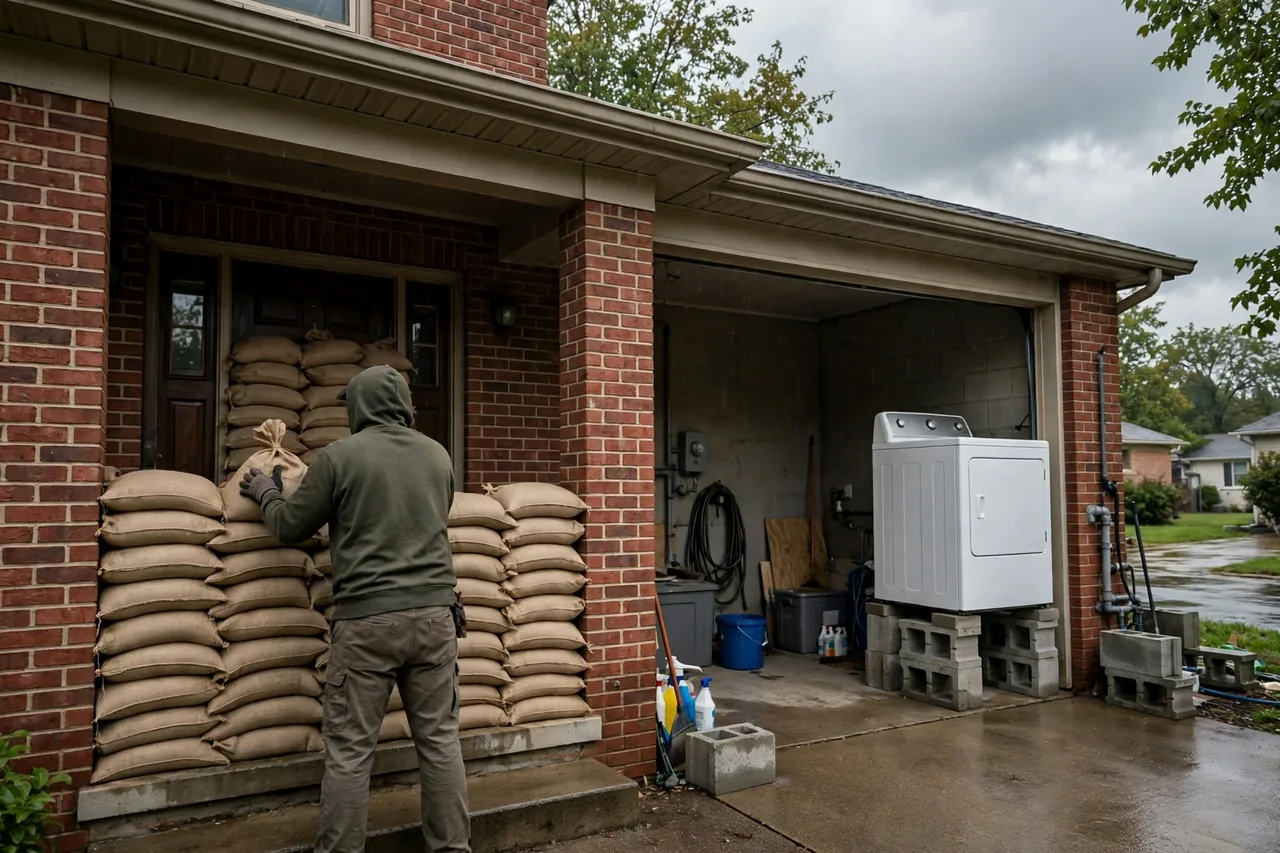
Barriers slow water at the openings it uses most: entry doors, garage doors, low vents and basement windows. Removable flood barriers slot into frames fitted in advance, so they can be set in place when a warning comes rather than built in a hurry. Sandbags are the improvised version, useful for diverting shallow flow but slow to stack and far from watertight.
No barrier makes a home waterproof. Barriers buy time and reduce the volume that gets in, which is why they work alongside the changes below rather than instead of them. Fit and test barriers on a dry day: a board that does not seal at the corners, or a frame fixed after the season starts, will not perform when it is needed.
Why Does Grading Matter More Than Most Fixes?
Grading matters because it decides where every gallon of rain goes before it reaches a door. Ground beside the home should slope away from the foundation, carrying water toward the yard and the street rather than pooling it against the walls. Soil settles over time, and beds, paths and extensions added over the years often flatten or reverse that slope without anyone noticing.
Regrading is unglamorous work: building up low spots against the house, cutting a shallow swale that guides water around the building, and making sure paved areas drain away from thresholds. It cannot hold back Riverine Flooding or a failed Levee, but it needs no power, no parts and no warning to work, and it protects the home in every storm, including the ordinary heavy rain that never becomes a headline flood.
How Does Drainage Move Water Away From The House?
Drainage finishes the job grading starts. Gutters and downspouts should discharge well away from the foundation, not at its base. Where water collects in a yard, a French drain or a channel drain can collect it and carry it to a lower discharge point. A sump pump handles Groundwater Seepage and water that collects below floor level, and it only helps if its discharge line sends water clear of the home.
Flood Water In Your Home Right Now?
One free call connects you with a local pro near you.
Drainage fails quietly. Blocked gutters overflow down walls, buried lines clog with silt and roots, and Sump Pump Failure — a pump untested for months not starting mid-storm — is the quietest failure of all. Clear and test each part before the wet season, and after any nearby building work that could have changed where water flows across your plot.
What Does A Backflow Valve Do, And Where Does It Fit?
A backflow valve fits in the home's drain line and closes when water in the street sewer or a flooded drain tries to travel the wrong way. During flooding, that reverse flow is how sewage backup enters homes through floor drains, showers and low toilets. The valve lets water leave the home normally while blocking the route back in.
Fitting one is a plumbing job, usually done at the point where the home's line leaves the building, and the valve needs access for cleaning so it can close fully when required. If your last flood involved drains bubbling or wastewater rising indoors, backflow protection belongs near the top of the readiness list, ahead of cosmetic repairs.
Which Indoor Changes Protect The Rooms That Flood First?
Indoor readiness accepts that some water may still get in and limits what it can ruin. Raise the Water Heater and HVAC System onto stands where local rules allow, store belongings on shelving rather than the floor of garages and ground-floor rooms, and keep documents and medicines in sealed boxes kept high. Check where the Electrical Panel sits against your recorded flood mark, too. Materials matter too: tile and sealed concrete forgive a shallow flood in ways carpet and carpet pad cannot.
Contents choices help as well. A Contents Packout is easier when an inventory with photographs already exists, so make one while rooms are dry. Move what cannot be replaced — photographs, records, keepsakes — out of the rooms that flooded first, permanently if those rooms are the home's lowest ground.
How Do You Keep The Readiness Work Maintained?
Readiness decays unless it is checked. Once a year, and before the season your area floods most, refit the barriers, run the sump pump and any backup Submersible Pump, clear the drains, check door seals, and walk the grading after heavy rain to see where water actually pools. A valve choked with debris and a barrier missing its seal are decorations, not protection.
If the last flood showed problems beyond DIY scope — drains reversing, water through the slab, repeated entry at the same wall — have a local pro assess the home while it is dry. Call (800) 555-0100 and one free call connects you with a local pro who can look at how your home flooded and say which changes would have changed the outcome.