How Does A House Flood?
Reviewed By Hamza 9 Min Read
Quick Answer
A house floods when water outside rises high enough to use the openings every home has: under doors, through low vents and window seals, up through floor joints and foundations, and back through drains and toilets when sewers surcharge. Plumbing failures can flood a house from inside too. Once in, water spreads across floors and inside wall cavities to find its level.
A house floods through specific openings and weak points, not by water passing magically through solid construction. Understanding those entry points explains why two neighbouring homes fare differently, why the lowest rooms always suffer most, and where preparation effort actually pays off.
Where Does Flood Water Actually Come From?
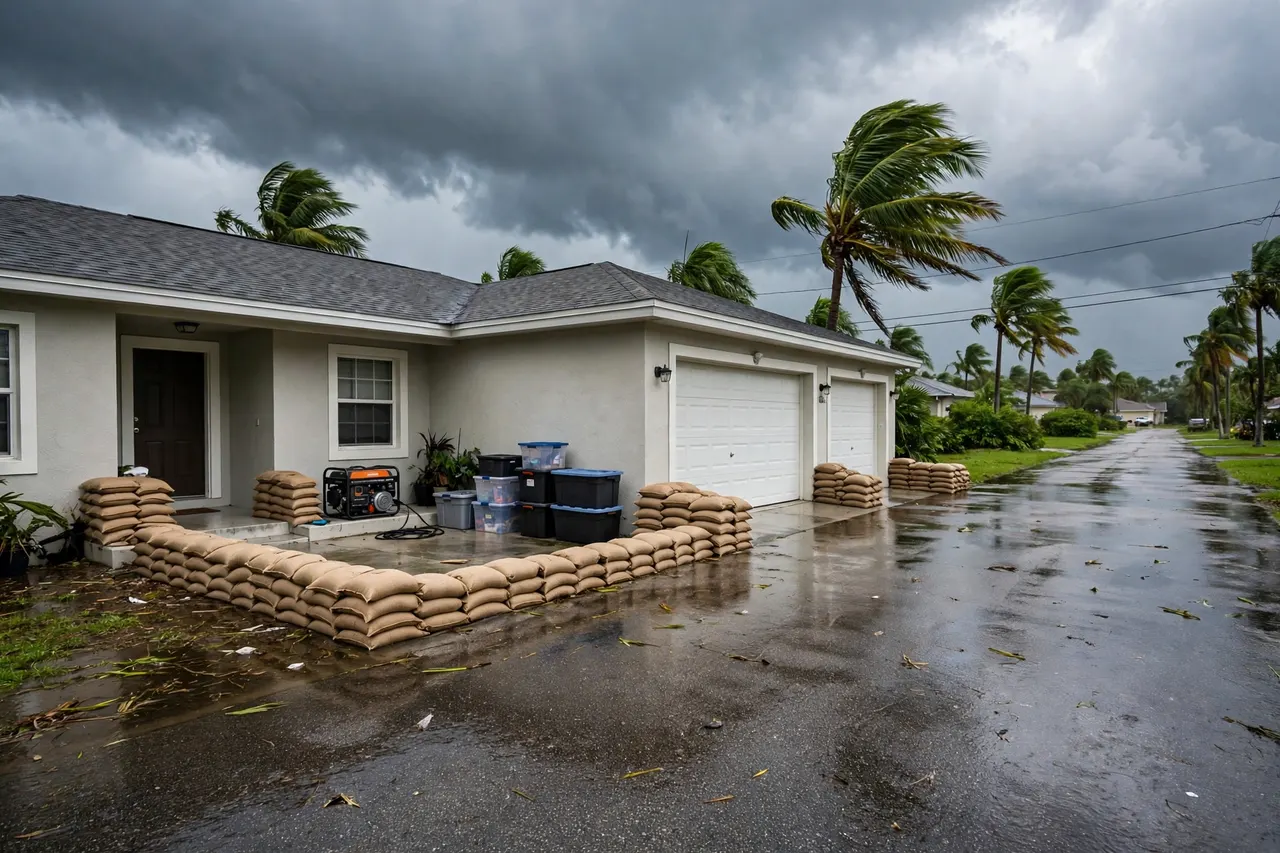
Flood water reaches a house from four kinds of source. Riverine flooding arrives when a river, stream, lake or bayou rises beyond its banks. Storm surge pushes coastal water inland during a hurricane, sometimes alongside a king tide. Flash floods build within hours when intense rain falls faster than ground and drains can move it. And drainage flooding happens when ordinary heavy rain simply overwhelms local drainage and pools against homes.
A fifth source sits underneath: groundwater. Long wet periods raise the water table until water pushes up through floors and into crawl spaces. Whatever the source, the water that reaches a home is treated by pros as Category 3 water, because on its way across streets, yards and drains it picks up soil, fuel, fertiliser and sewage.
How Does Water Get Through Doors, Windows And Vents?
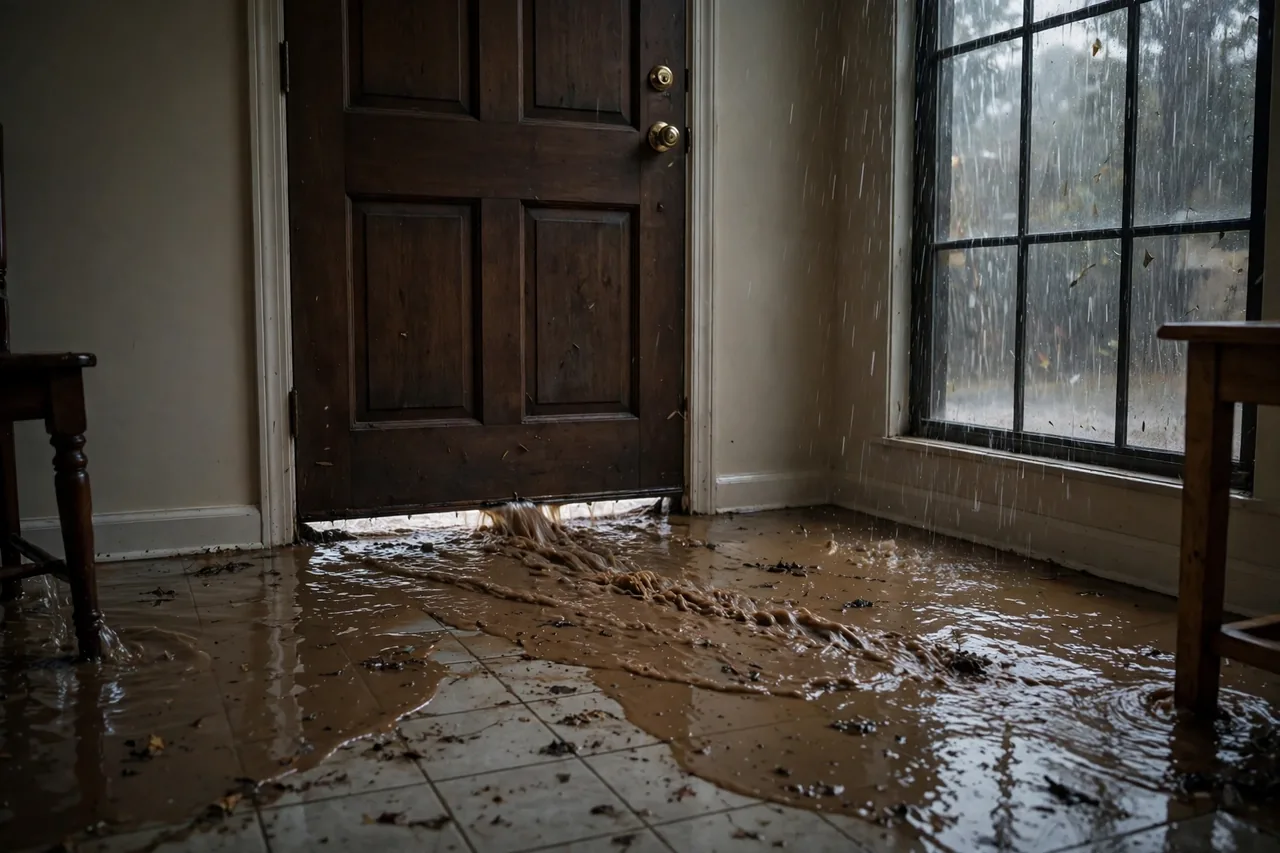
Doors are the most common entry point. A door and its frame are designed to shed rain running down a surface, not to resist water standing against them. Once water outside rises above the threshold, it passes under the door and around worn seals, and a garage door — wide, low and lightly sealed — usually gives way first.
Low windows, window wells and vents follow the same pattern. Air vents sit close to the ground by design and their louvres move air rather than block water, so they channel water into a crawl space or ground floor once the level outside reaches them. Window frames with tired seals and weep holes let standing water through steadily during a long flood.
How Does Water Rise Through Floors And Foundations?
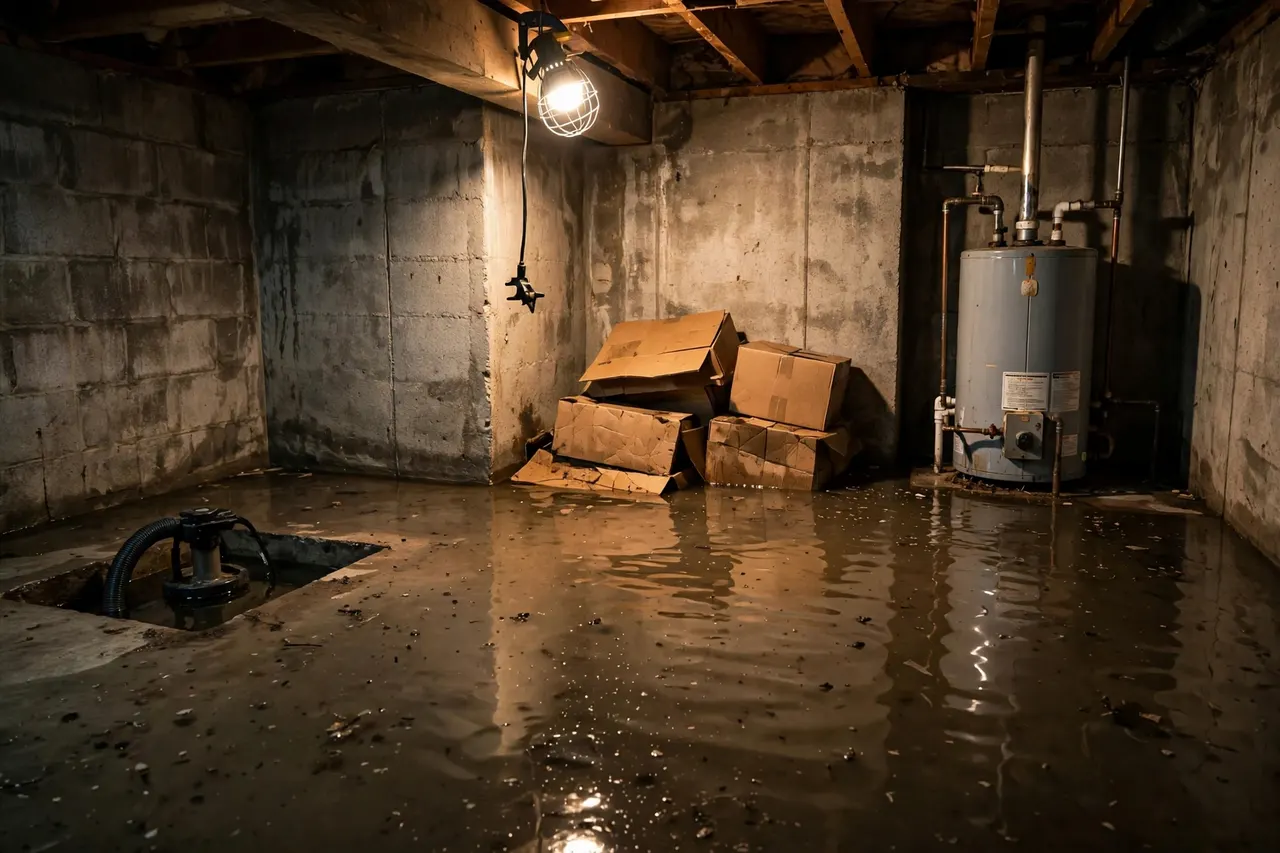
Water also enters from below. Saturated ground puts pressure on everything buried in it, and water finds the construction joints where a concrete slab meets the foundation, hairline cracks in the slab, and gaps around pipes passing through the floor. It appears first as damp lines and shallow pooling along floor edges.
Groundwater seepage through a floor is slow but persistent: it continues while the water table stays high, wetting flooring and the subfloor beneath from below. In homes with a crawl space, water collects there first and soaks insulation and framing from underneath, sometimes for days before anyone looks below the floor.
How Does Water Come Back Up Through Drains And Toilets?
A house floods from its own drainage connections when sewers surcharge. During a major storm, storm drains and sewer lines carry more water than they can move, and the pressure looks for any opening — which includes the pipes running into your home. The lowest fixtures become the openings: a ground-floor toilet, a bath or shower tray, and a basement floor drain.
This route is the one behind sewage backup flooding, and it is why flood water indoors is never treated as clean even when it looks clear. Water arriving through drains has mixed with the sewer system. It is also the route homeowners notice latest, because it can begin indoors while street water outside still looks manageable.
Flood Water In Your Home Right Now?
One free call connects you with a local pro near you.
How Does A House Flood From Inside Its Own Plumbing?
Not every house flood starts outside. A burst pipe, a split washing machine hose, a failed water heater or a blocked drain releases the home's own water under pressure or by gravity, and it keeps flowing until someone shuts off the supply. An upper-floor failure sends water down through ceilings and wall cavities into rooms below.
The damage pattern differs from outdoor flooding — the water is usually cleaner at first and the source can be stopped at a valve — but the spread through the structure works the same way, and a leak left running while a home is empty can wet as much of a house as a storm does.
How Does Water Move Once It Is Inside The House?
Once inside, water spreads to find its level. It runs across hard floors, soaks into carpet and carpet pad which wick it further than the visible edge, and passes under laminate and vinyl plank flooring to wet the subfloor while the surface looks almost dry. Baseboards act like a wick, drawing water up into the drywall behind them.
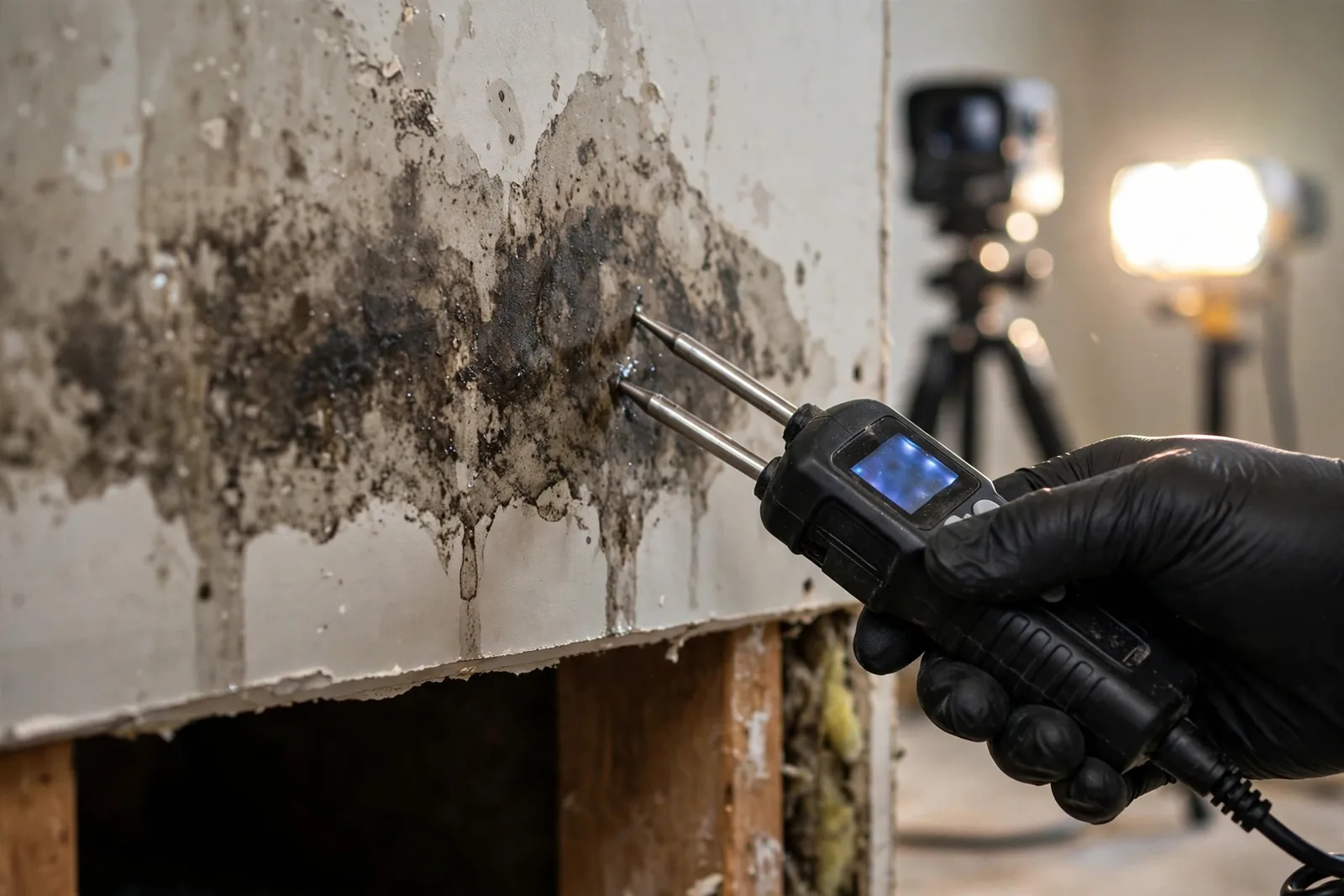
Inside walls, water fills the wall cavity, soaks insulation — which then holds it against framing for days — and travels sideways along the sill plate into adjoining rooms. A thermal imaging camera and moisture mapping show this hidden spread, which routinely extends a metre or more beyond the wet line anyone can see.
Why Do Some Rooms Flood And Others Stay Dry?
Rooms flood according to height and connection. The lowest floor takes water first and deepest; rooms sharing a wall cavity or a floor level with a flooded room can wet through the structure without any water crossing their doorway. Ground-floor rooms over a flooded crawl space absorb moisture from below.
Upper rooms usually stay dry in an outdoor flood unless water is very deep, a plumbing failure starts upstairs, or wind-driven rain enters through a damaged roof. That pattern — lowest and most connected rooms worst — is why pros map moisture room by room instead of assuming the visible water line tells the whole story.
What Makes One House Flood When Its Neighbour Does Not?
Small differences decide it. One home sits slightly lower on the plot, or its ground slopes toward the walls instead of away. Its vents are a few inches lower, its door seals older, its gutters overflowing toward one corner. A sump pump failure at the wrong hour, or a floor drain without a working backwater valve, opens a route the neighbour's house does not have.
None of that means a flooded home was neglected — deep or fast water defeats most ordinary defences. What the entry points do tell you is where cleanup must check: every low opening, every drain, and the hidden spaces behind them. If water has entered your home, call (800) 555-0100 — one free call connects you with a local pro who can arrive in 30–60 minutes in the cities served and trace exactly where the water went.