How To Prevent Floods
Reviewed By Hamza 9 Min Read
Quick Answer
You prevent most home flooding by giving rainwater an easier path away from the house than into it: soil graded away from the foundation, clear gutters and downspouts, sealed low openings, and drainage that stays maintained. No single product does the whole job — prevention works as layers, checked before storm season and after every heavy rain.
Most homes that flood in ordinary storms were not defeated by the rain alone. Water pooled against a wall because a downspout ended too close, crept through a cracked joint, or rose through a floor drain that nobody had checked in years. Prevention is the work of closing those routes in advance.
Can A Homeowner Really Prevent Floods, Or Only Reduce The Risk?
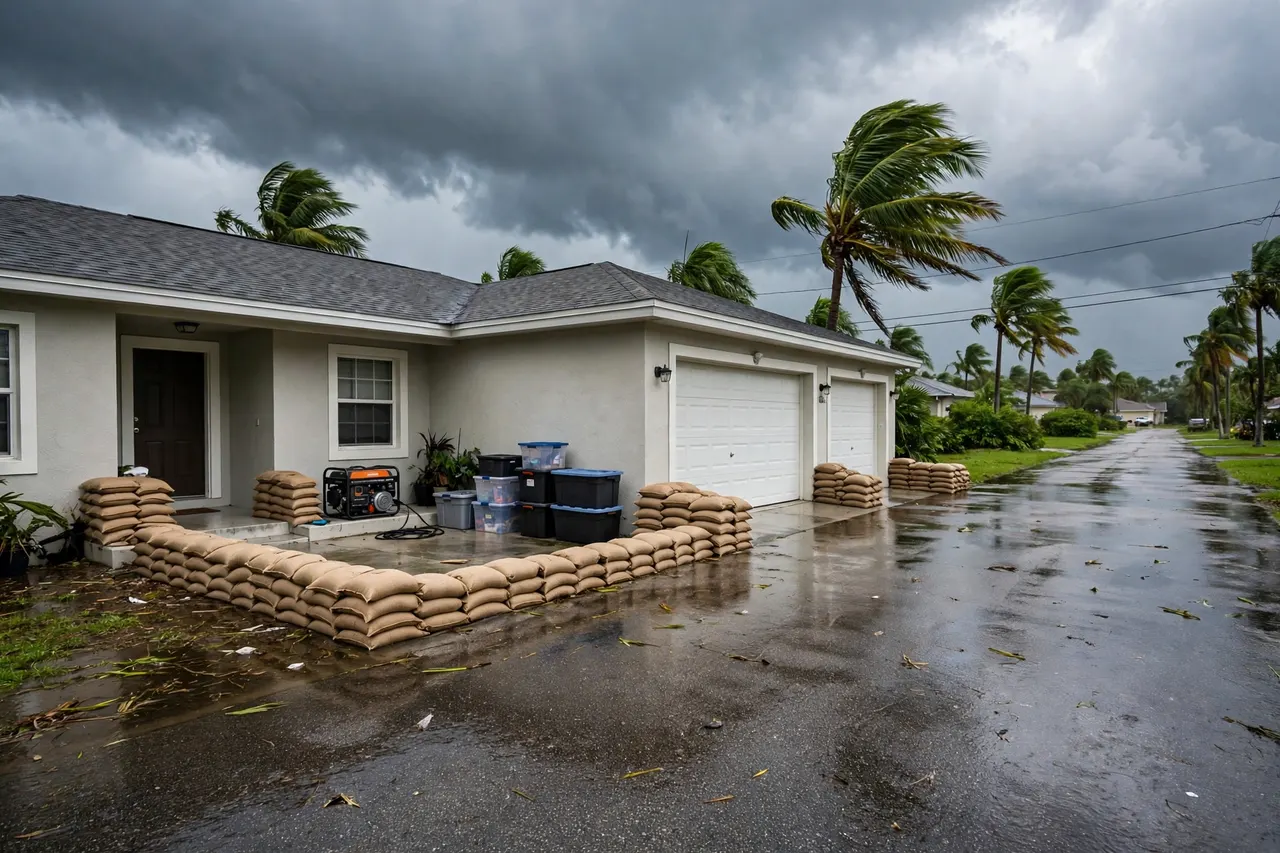
The honest answer is both. A homeowner can prevent the common, repeated flooding caused by drainage failures, blocked gutters and unsealed openings — the water that enters through neglect rather than force. Against a major river flood or storm surge, no yard work holds the water back completely, and official guidance from Ready.gov and FEMA is to follow evacuation orders rather than trust home defences.
That limit does not make prevention pointless. The majority of wet floors, ruined baseboards and mold problems start with manageable amounts of water arriving by a fixable route. Every route you close is damage that never happens, and the routes are usually visible on a dry day to anyone who walks the property looking for them.
Where Does The Water That Floods A Home Come From?
Flood water reaches a home by four main routes: rain falling faster than the ground and drains can absorb, runoff flowing downhill toward the building, water rising from swollen rivers, bayous and drainage channels, and water backing up through drains and plumbing when systems are overwhelmed. Groundwater seepage through a foundation is a fifth, slower route after long wet periods.
Each route has a different defence, which is why a single fix so often disappoints. Sealing a wall does nothing about a downspout pouring roof water beside it, and a sump pump cannot help with water entering at a doorway. Prevention starts by working out which routes threaten your home, using your flood zone information and the pattern of past wet weather.
How Does Yard Grading And Drainage Keep Water Out?
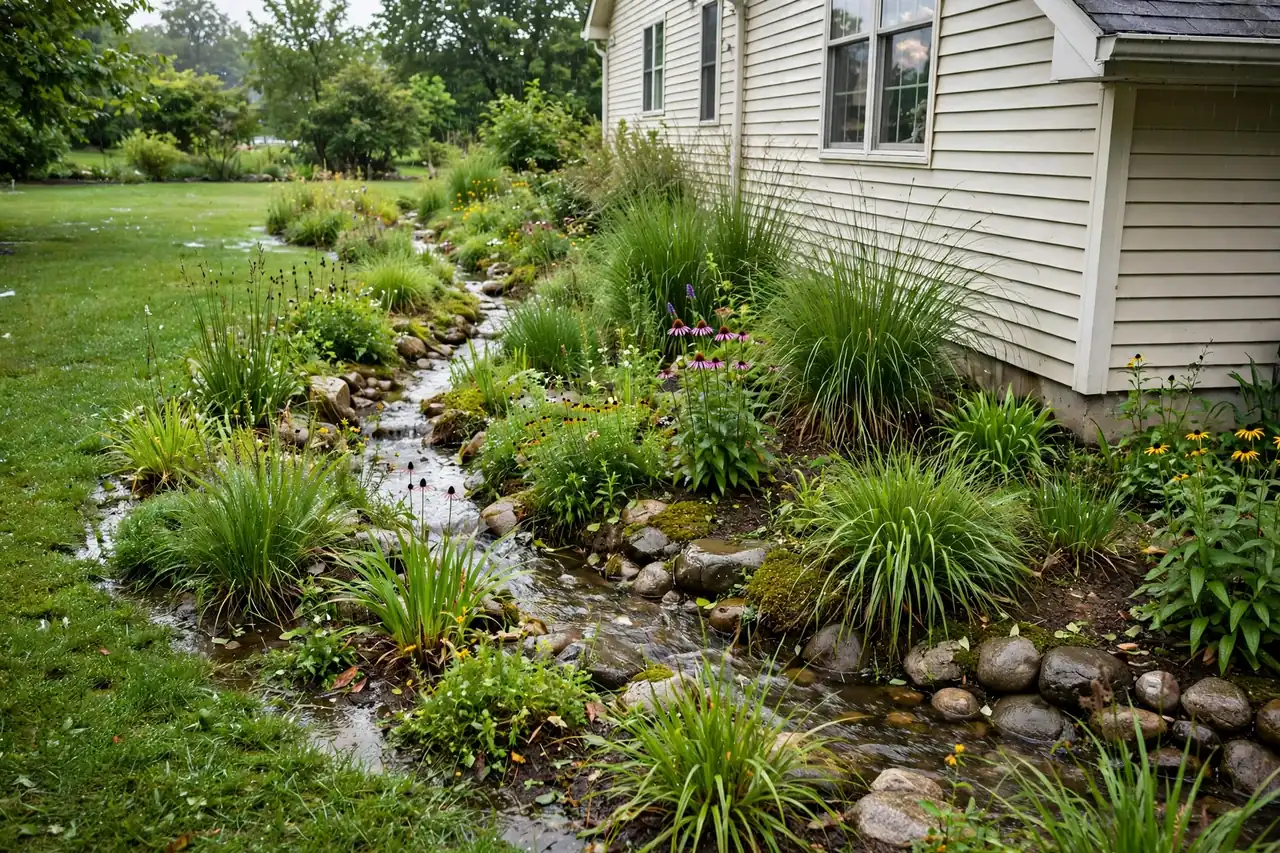
Grading keeps water out by making the ground beside the home fall away from the walls, so rain that lands near the foundation flows outward instead of collecting against it. Soil settles over time, especially beside new or repaired foundations, and beds built up against a wall can quietly reverse the slope. Rebuilding that fall is plain, unglamorous work that removes the pool flood water would otherwise start from.
Drainage finishes what grading starts. A French drain, a swale, or a simple channel gives collected water somewhere deliberate to go, instead of the lowest corner of the house. Drains only work while they are clear, though: leaves, silt and mud choke them gradually, so a drain you never inspect is a defence you may no longer have.
What Roof, Gutter And Downspout Work Prevents Flooding?
Gutters and downspouts prevent flooding by collecting everything the roof sheds and delivering it away from the walls. A roof moves a surprising amount of water in one storm, and if a gutter overflows or a downspout discharges beside the foundation, that whole volume lands in the worst possible place. Keeping gutters clear and joints sound is therefore flood prevention, not just tidiness.
Downspout extensions carry the discharge further out into the yard, where grading can take it onward. Check where each extension actually ends after landscaping changes: a shortened or buried outlet that has collapsed quietly returns the water to the wall. During heavy rain, step outside if it is safe and watch the system work — faults that are invisible on a dry day show themselves at once.
Flood Water In Your Home Right Now?
One free call connects you with a local pro near you.
Which Openings And Low Points Let Flood Water In?
The openings that let flood water in are the ones closest to the ground: door thresholds, low window wells, vents, garage doors, and the joints where walls meet the slab or foundation. Water needs only a narrow gap and a little depth outside to push through, and it will find the lowest opening first. Sealing cracked joints and renewing worn threshold seals closes the easy routes.
Flood vents fitted in foundation walls serve a different purpose: they let water pass through an enclosed crawl space or garage area instead of pressing against the wall until it fails. They do not keep a living space dry, and they are not a substitute for drainage. Think of openings in two groups — those to seal because rooms lie behind them, and those designed to relieve pressure in unoccupied spaces.
What Indoor Systems Help Stop Water Before It Spreads?
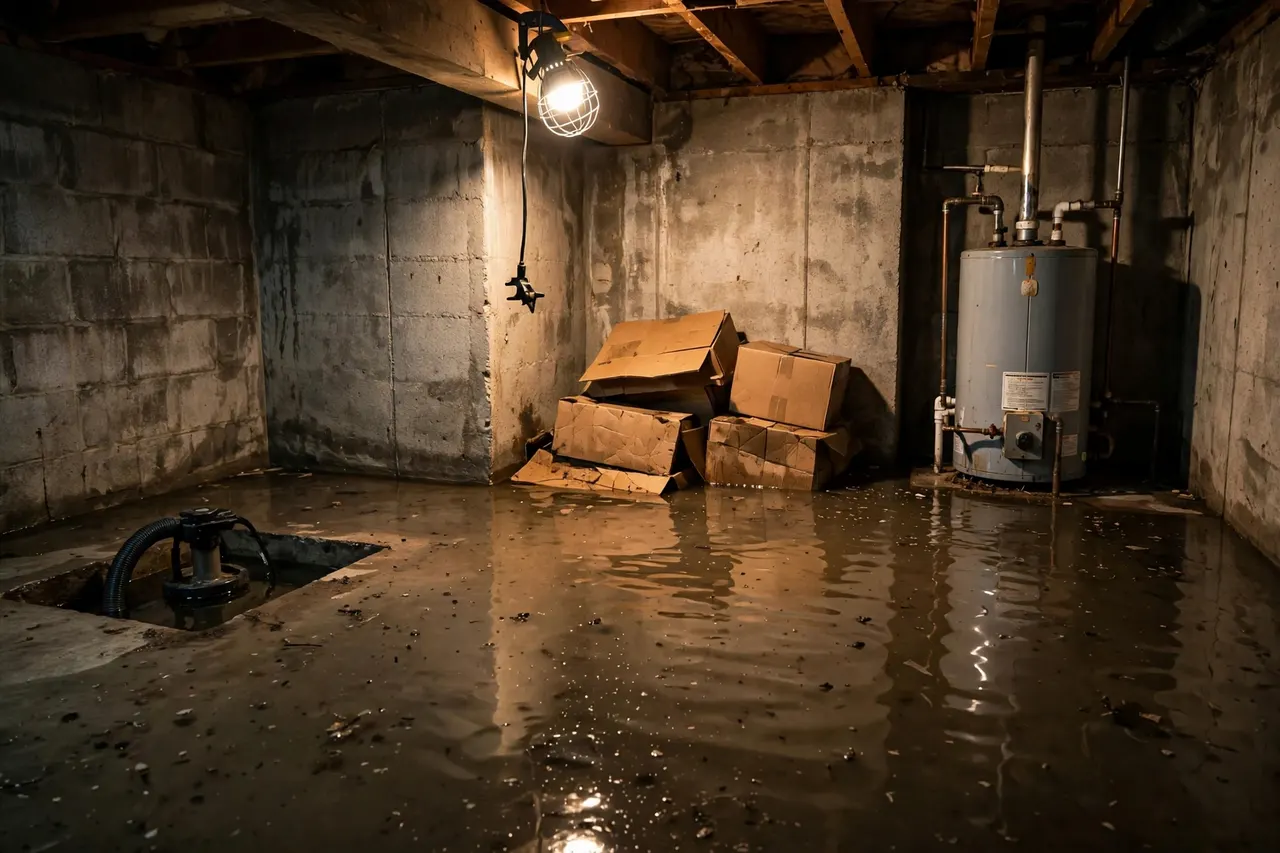
Indoors, a sump pump with a working backup, a backwater valve on the drain line, and water alarms at low points form the last layer. A sump pump failure during a storm is a common cause of a flooded ground floor or basement, so the pump should be tested, its pit kept clear, and its discharge line checked where it leaves the house. Battery backup matters because the storms that flood homes also cut power.
A backwater valve helps when street drains surcharge and sewage or storm water tries to return through floor drains — a route behind many sewage backup losses. Raising stored belongings, the water heater controls where practical, and anything paper or fabric off the lowest floor does not stop water, but it sharply limits what a shallow flood can ruin.
How Does Flood Cover Fit Into Prevention?
Flood cover fits into prevention as the financial layer behind the physical one. Standard homeowners policies usually do not cover damage from outdoor flooding, so a separate flood policy, such as one through the National Flood Insurance Program run by FEMA, is what pays when prevention is overwhelmed. Checking your flood zone and your policy wording is part of the same annual routine as clearing the gutters.
Prevention and cover also work together in a practical way: the photographs, receipts and records you keep while maintaining drainage and seals are exactly the documentation an insurer wants after a loss. And a home with maintained defences usually suffers a shallower, shorter flood when water does get in, which means less material removed and a faster drying job.
What Should A Seasonal Prevention Routine Look Like?
A workable routine is short and repeated. Before the wet season: clear gutters and drains, walk the grading with a hose running to confirm water moves away, test the sump pump, inspect seals at low openings, and review your flood cover. After any storm that drops serious rain: check for new pooling, clear debris from drainage paths, and look indoors for damp at baseboards and in the crawl space.
If that walk turns up water already inside, prevention has done its last job and cleanup needs to start. Call (800) 555-0100 — one free call connects you with a local pro who can arrive in 30–60 minutes in the cities served, extract standing water, and set up structural drying before the damage spreads.