How To Prevent Mold After Water Damage
Reviewed By Hamza 9 Min Read
Quick Answer
You prevent mold after water damage by beating its clock: mold can begin growing on wet materials within 24 to 48 hours, so standing water and ruined porous materials come out fast, and everything that stays is dried to measured moisture targets and treated. Drying proved by meter readings — not a room that merely feels dry — is what actually stops growth.
Mold after water damage is not bad luck. It is what reliably happens when wet materials stay wet, and it is prevented the same reliable way: get the water out, get the ruined materials out, and dry what remains to a measured finish before growth takes hold. The clock is shorter than most homeowners expect.
Why Does Mold Follow Water Damage So Quickly?
Mold follows water damage quickly because a flooded home hands it everything it needs at once. Black mold can begin growing on wet materials within 24 to 48 hours: the spores are already present in ordinary household air and dust, and flood water supplies the moisture, while drywall paper, wood and carpet pad supply the food. Warm indoor temperatures complete the set.
Flood water adds one more gift: silt and mud spread across floors and into wall cavities carry organic matter deep into the structure. That is why preventing mold is not a separate project after cleanup — it is the reason cleanup is done in a particular order and at a particular pace. Every step below is aimed at that 24-to-48-hour window.
What Is The First Rule Of Preventing Mold After Water Damage?
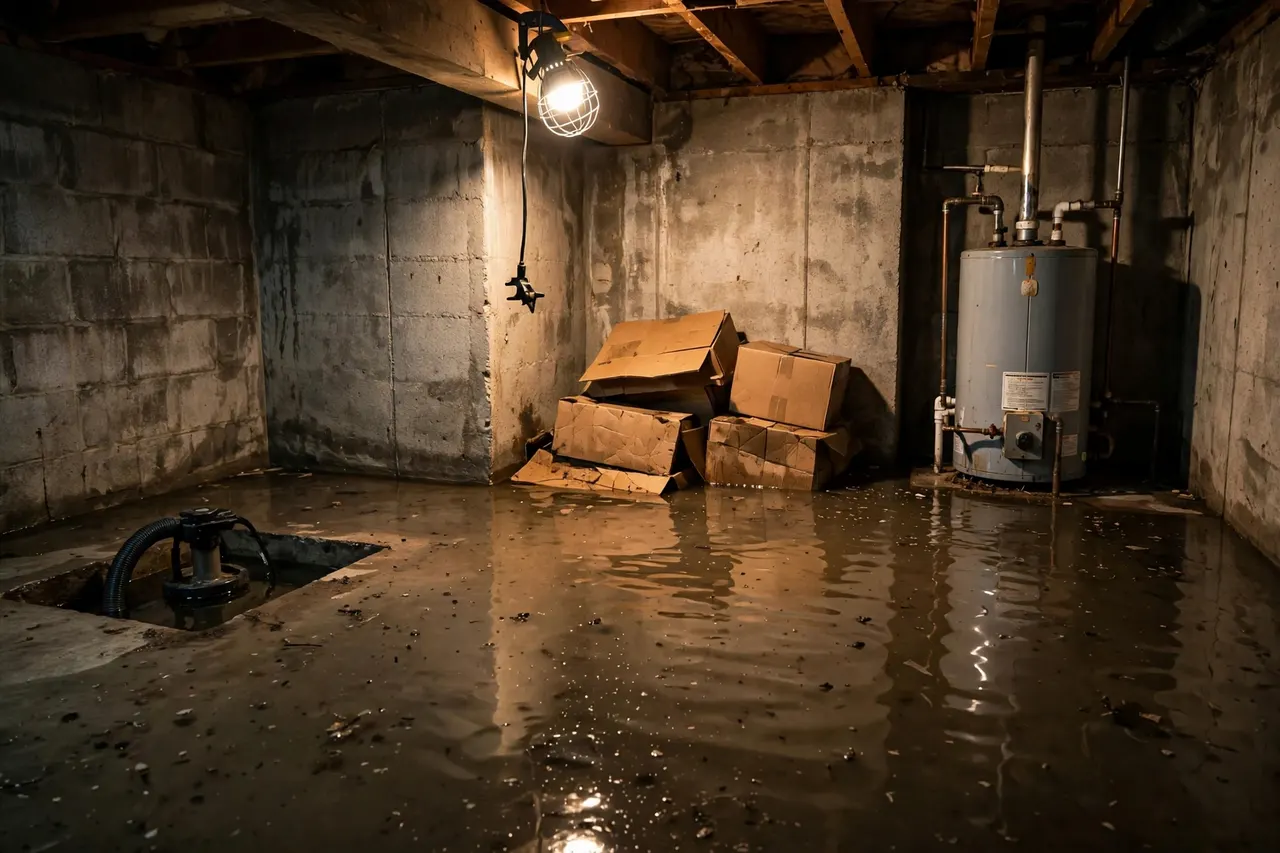
The first rule is to remove the water and start drying immediately — the same day if the home is safe to enter. Standing water extracted by a submersible pump or a truck-mounted extraction unit is water that never gets days to soak upward into walls. Every hour of delay pushes moisture deeper into framing, insulation and subfloors, where it is slower and harder to remove.
Before the pro arrives, do what is safe: keep people and pets out of flooded rooms, switch off power to them only if the panel can be reached from a dry place, and photograph the damage from the doorway. Do not strip materials out yourself or spray cleaners around — contaminated flood water is Category 3 water, and disturbing it spreads what you are trying to contain.
Which Wet Materials Must Come Out To Stop Mold?
The materials that must come out are the porous ones that hold water inside themselves. Carpet pad, wet insulation and soaked carpet usually go, along with the flooded lower section of drywall, removed with a flood cut above the water line. Swollen particleboard cabinetry and soft belongings such as mattresses soaked by contaminated water go too — none of them can be dried through their core fast enough to beat mold.
What stays is what can genuinely be cleaned and dried: framing lumber, a concrete slab, tile and hard furnishings. The dividing line is not appearance but moisture behaviour, and a pro draws it with a moisture meter room by room. Keeping a material because it looks salvageable, while its core stays wet, is how mold gets a permanent home inside a wall.
How Does Structural Drying Prevent Mold From Taking Hold?
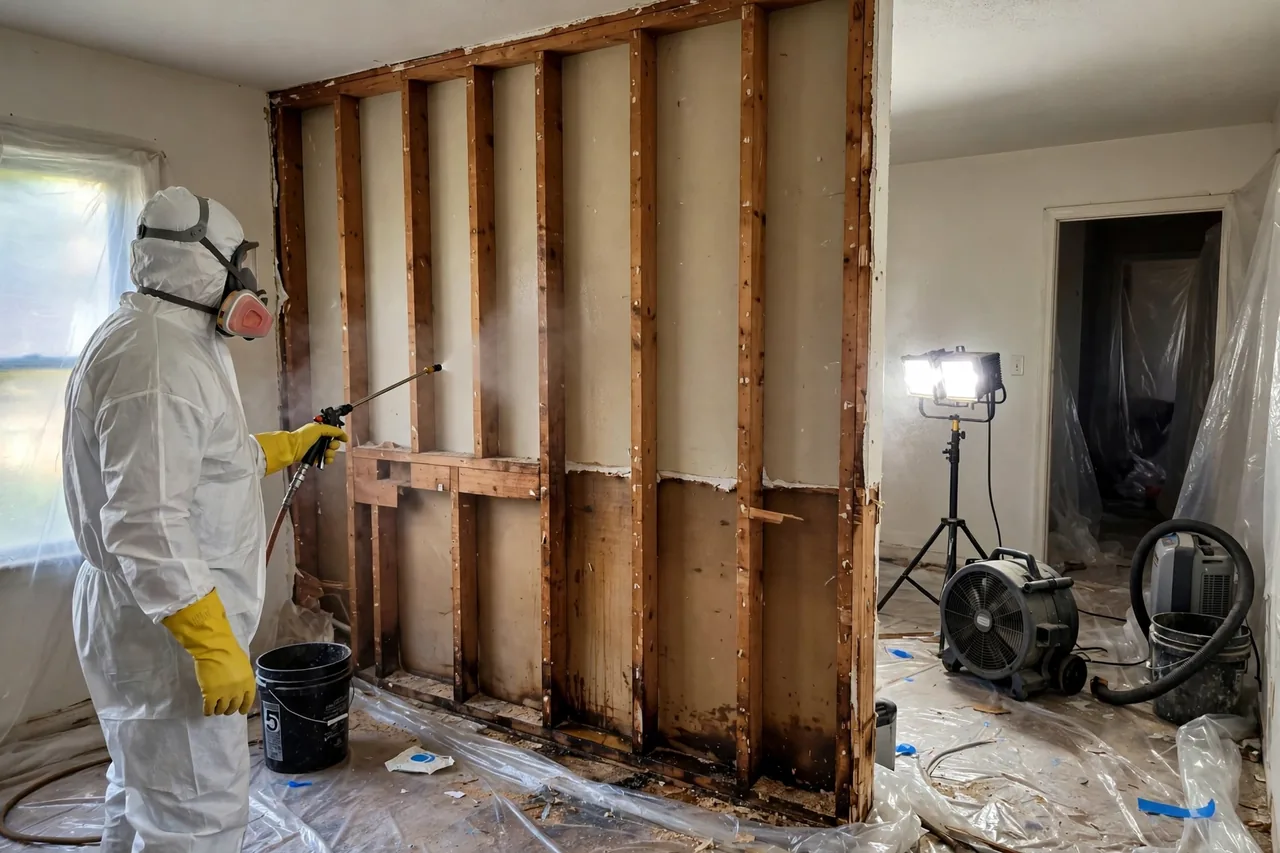
Structural drying prevents mold by taking moisture out of the building itself, not just off its surfaces. Air movers speed evaporation across wet framing, subfloors and wall cavities, and a dehumidifier pulls that moisture out of the indoor air so it cannot condense somewhere else. For large losses, desiccant drying may be used. Household fans alone move damp air around; they do not remove it.
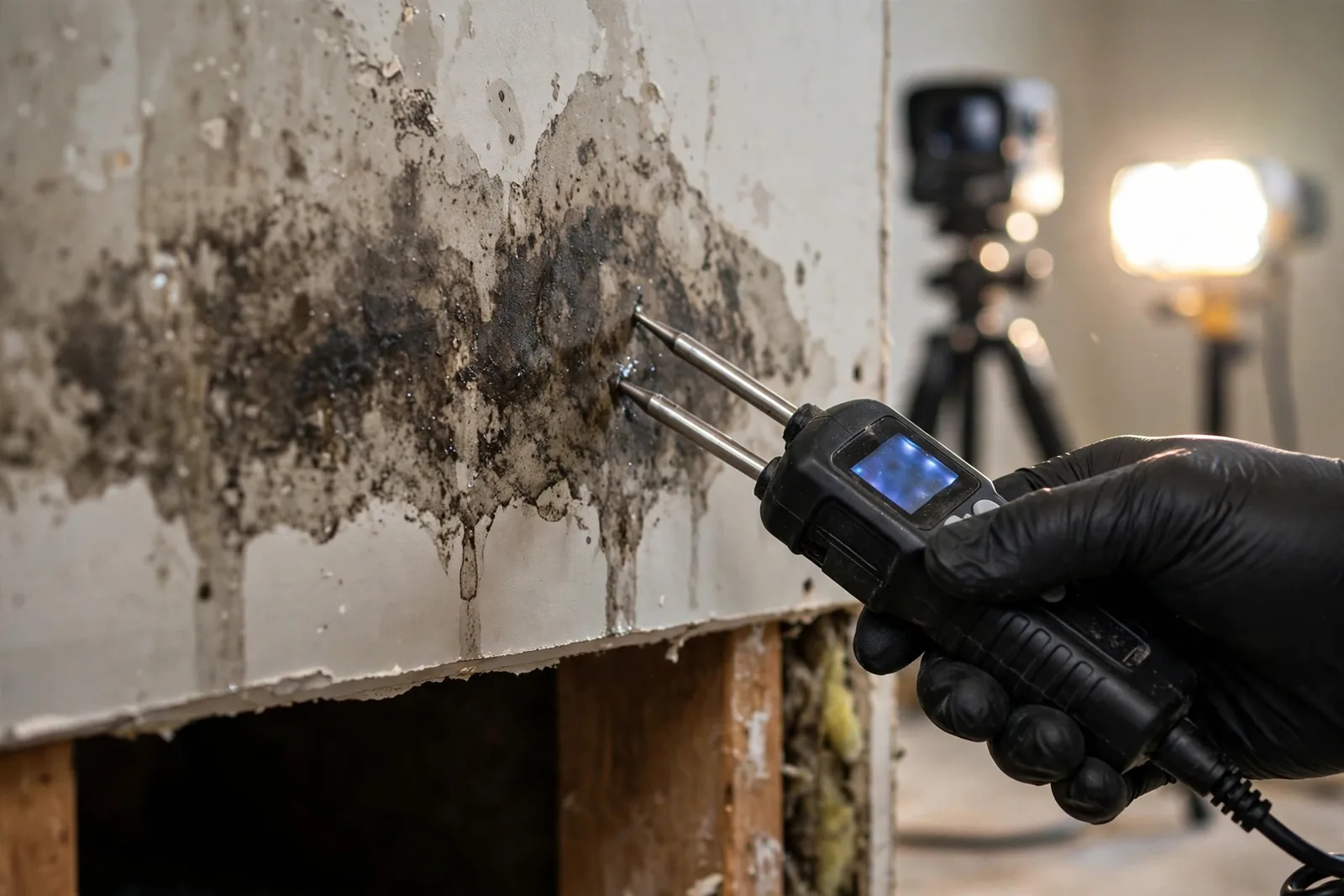
Drying is finished by measurement, not by feel. During moisture mapping the pro marks the damp points; readings are then logged daily in a drying log until every point reaches its target. A wall that feels dry on its face can still be wet inside its cavity, and it is the cavity reading that decides whether mold has been beaten or merely postponed.
Flood Water In Your Home Right Now?
One free call connects you with a local pro near you.
How Should Wet Belongings Be Handled To Keep Mold Away?
Wet belongings should be separated fast, because items left in a soaked pile grow mold together and spread it to things that might have been saved. A contents packout inventories what is in each room and moves salvageable pieces to a dry area or out of the home. Hard items — metal, glass, sealed plastic — can usually be cleaned and disinfected once they are out of the damp.
Soft items need harder decisions. Upholstery, pillows and mattresses soaked by contaminated water usually cannot be kept, because contamination and moisture sit deep inside them. Paper and photographs should be separated and dried promptly if they are clean-water wet; left in a closed wet stack, they mold quickly and dry stuck together. Handle anything flood-soaked with care and let the pro judge what is safe to keep.
What Cleaning And Treatment Steps Help Once Drying Starts?
Once ruined materials are out and drying is under way, exposed framing and subfloors are cleaned and given antimicrobial treatment. The order matters: silt and mud come off first, because treatment cannot work through a layer of dirt, and then the treatment reaches the surfaces where bacteria and early mold growth sit. On sewage losses, a containment barrier and a HEPA air scrubber protect the rest of the home while this happens.
Treatment supports drying; it never replaces it. A treated wall cavity that stays wet will grow mold anyway, because the growth needs only moisture and material. Think of cleaning and antimicrobial treatment as removing the contamination flood water left, while structural drying removes the conditions that let anything grow back.
Which Hidden Places Grow Mold After Water Damage?
Mold favours the places nobody looks: inside wall cavities where insulation holds water longest, under laminate and vinyl plank flooring that passed water to the subfloor while the surface looked fine, behind baseboards, and in the crawl space, where damp framing and the underside of subfloors sit in the dark. A garage and ground floor rooms against a slab are also common sites.
These are the places a thermal imaging camera and a moisture meter earn their keep, showing damp that eyes and hands miss. A musty smell in a room that has been declared dry almost always traces back to one of them. Prevention is only complete when the hidden places have been checked and read dry, not just the open floor.
How Do You Know Mold Prevention Has Worked?
You know prevention has worked when the drying log says so: every marked point — open rooms, wall cavities, subfloors, crawl space — reading at its dry target, with treated surfaces clean and no musty smell developing in the days after equipment is removed. That record, kept with your photographs, is also the evidence an insurer or FEMA may ask for after a flood loss.
If your home has water damage now, the window is already open. Call (800) 555-0100 — one free call connects you with a local pro who can arrive in 30–60 minutes in the cities served, extract the water, and set structural drying running before mold gets its start.