How To Stop Flooding
Reviewed By Hamza 9 Min Read
Quick Answer
You stop flooding in progress by cutting off the source you control — close the main water valve for a pipe or appliance leak, switch off power to wet areas from a dry spot, block doorways with sandbags or towels, and move belongings up and out — while a pro handles extraction. Outdoor flood water cannot be held back at the door for long, so safety comes first.
Flooding feels unstoppable because two different problems share one name: water arriving from outside, which you can only slow, and water escaping inside your own plumbing, which you can often stop outright. Knowing which one you face decides your first move.
Can You Stop Flooding Once Water Starts Coming In?
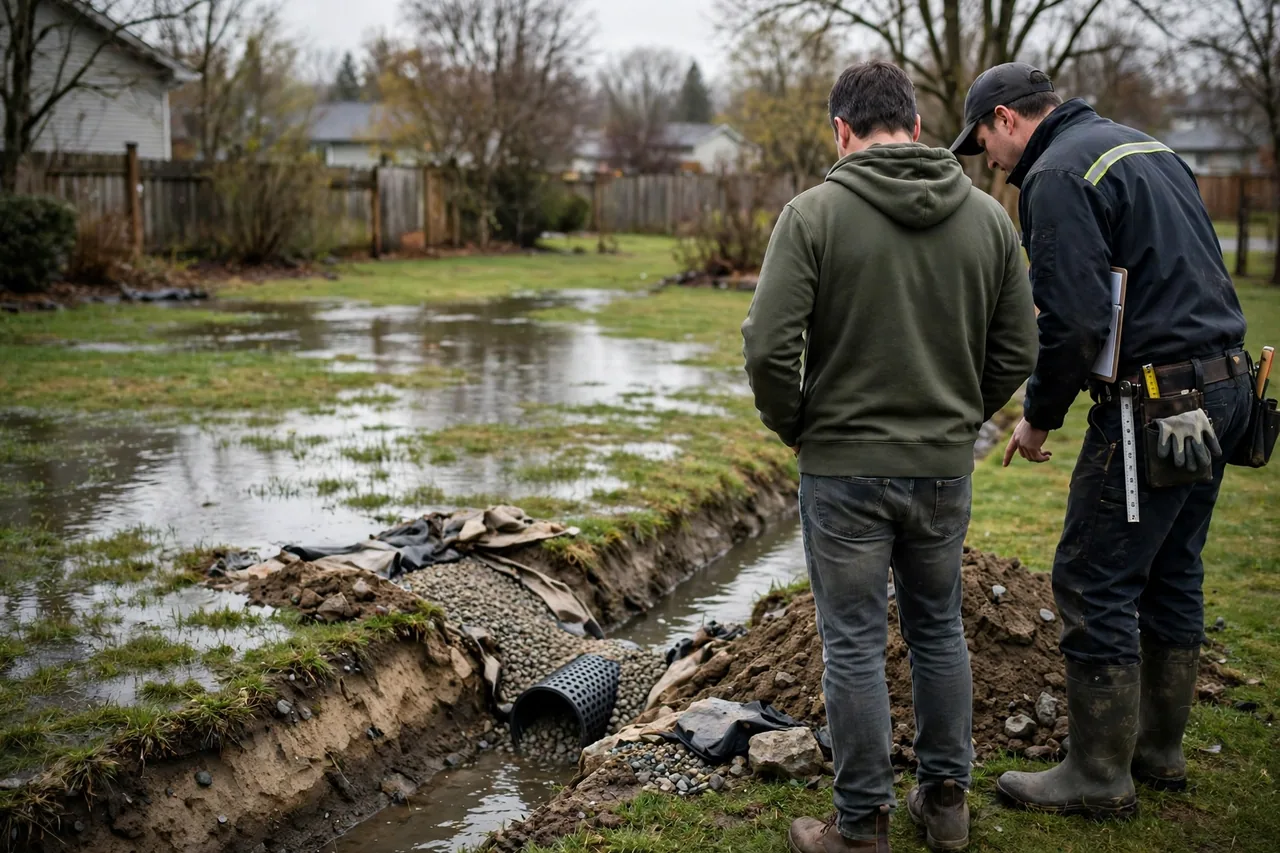
Partly — and which part depends on the source. Indoor sources, such as a burst pipe, a split washing machine hose or an overflowing water heater, can usually be stopped completely at a shutoff valve. Outdoor flood water from a storm, a rising street or a river cannot be stopped by a homeowner; it can only be slowed at its entry points and kept away from what matters most until it recedes.
That distinction sets realistic expectations. Against outdoor water, your job is buying time: raising belongings, keeping clear of the electrical panel area, and slowing the inflow so later extraction and drying have less to undo. Against indoor water, your job is the valve.
What Should You Do First When Water Enters Your Home?
Protect people first, then power, then property. Get children and pets out of rooms with standing water. If water is near outlets, appliances or the electrical panel, switch off the affected circuits at the panel — only if you can stand in a completely dry place to do it. Never wade through water to reach a panel that is itself wet or standing in water.
Next, find the source. If the water is clean and still flowing, follow it: a running toilet, a burst supply line and a failed sump pump each announce themselves differently. Photograph the scene quickly for your records, then act on the source. If the water smells of sewage or is rising from the drains, treat it as a sewage backup and keep everyone out of it.
How Do You Slow Water At Doors, Windows And Vents?
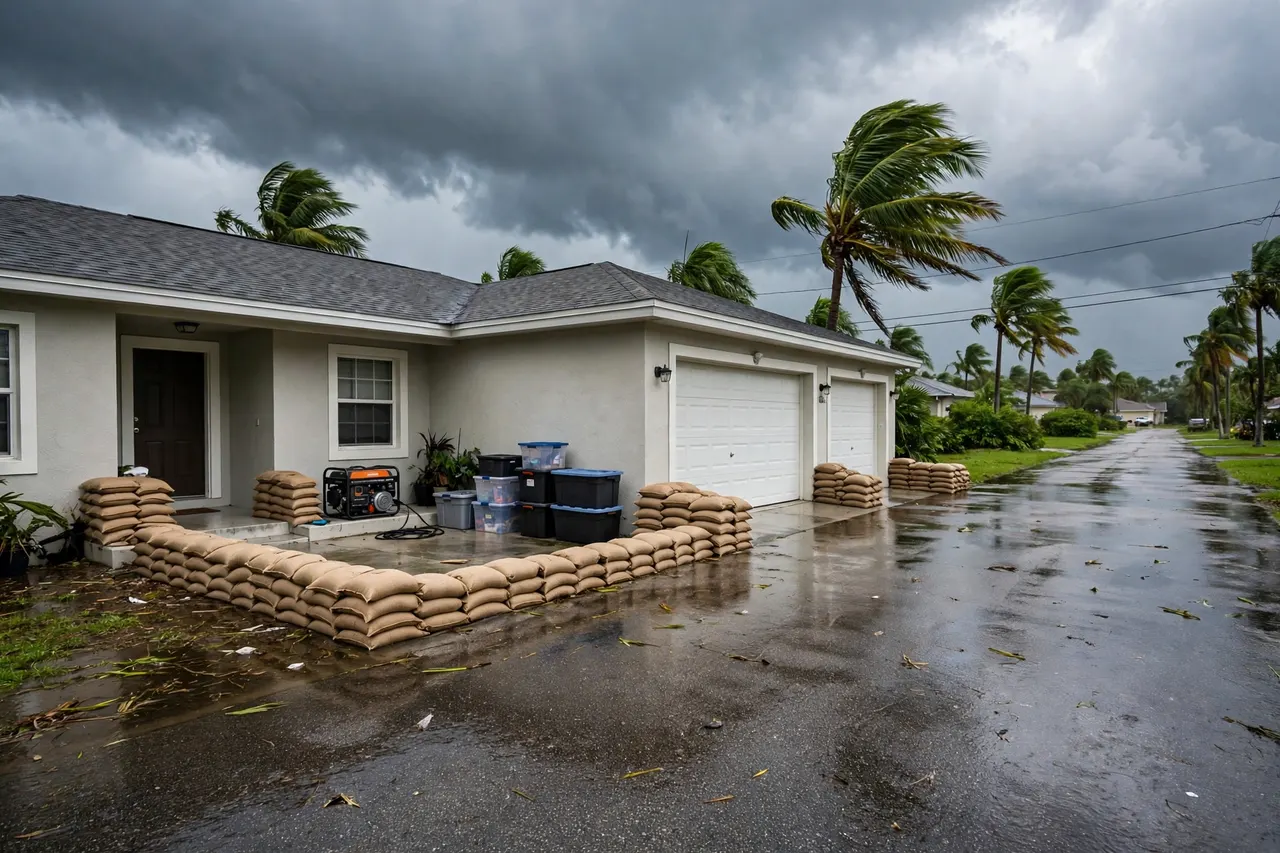
Slow outdoor water at its entry points. Sandbags stacked along a doorway threshold, plastic sheeting weighed down over low vents, and rolled towels pressed into door gaps all buy minutes to move belongings upstairs or onto raised surfaces. Flood barriers and door dams, if you own them, go in now — this is the exact moment they exist for.
Work from the lowest openings upward: basement window wells, ground-level vents, the gap under a garage door. Seal what you can without standing in deep water, and do not try to hold back water already deep against a door, because pressure can make the door fail suddenly. Once entry points are slowed, shift to raising what water would ruin first: documents, medicines, electronics and soft furnishings.
How Do You Stop Flooding From A Burst Pipe Or Appliance?
Turn off the water at the main shutoff valve — that single action stops most indoor flooding outright. The main valve usually sits where the supply line enters the home, near the water heater or at the meter. If only one fixture is leaking, its local shutoff, behind a toilet or under a sink, may be enough and keeps water running elsewhere in the house.
Then drain the pressure by opening a low tap, switch off the water heater if its area is wet, and extract what escaped before it spreads into wall cavities and under flooring. A leak caught at the valve stage is a cleanup job; the same leak left running becomes a structural drying job, because water travels through subfloors and into ceilings below.
Flood Water In Your Home Right Now?
One free call connects you with a local pro near you.
How Do You Stop Basement Flooding While It Is Happening?
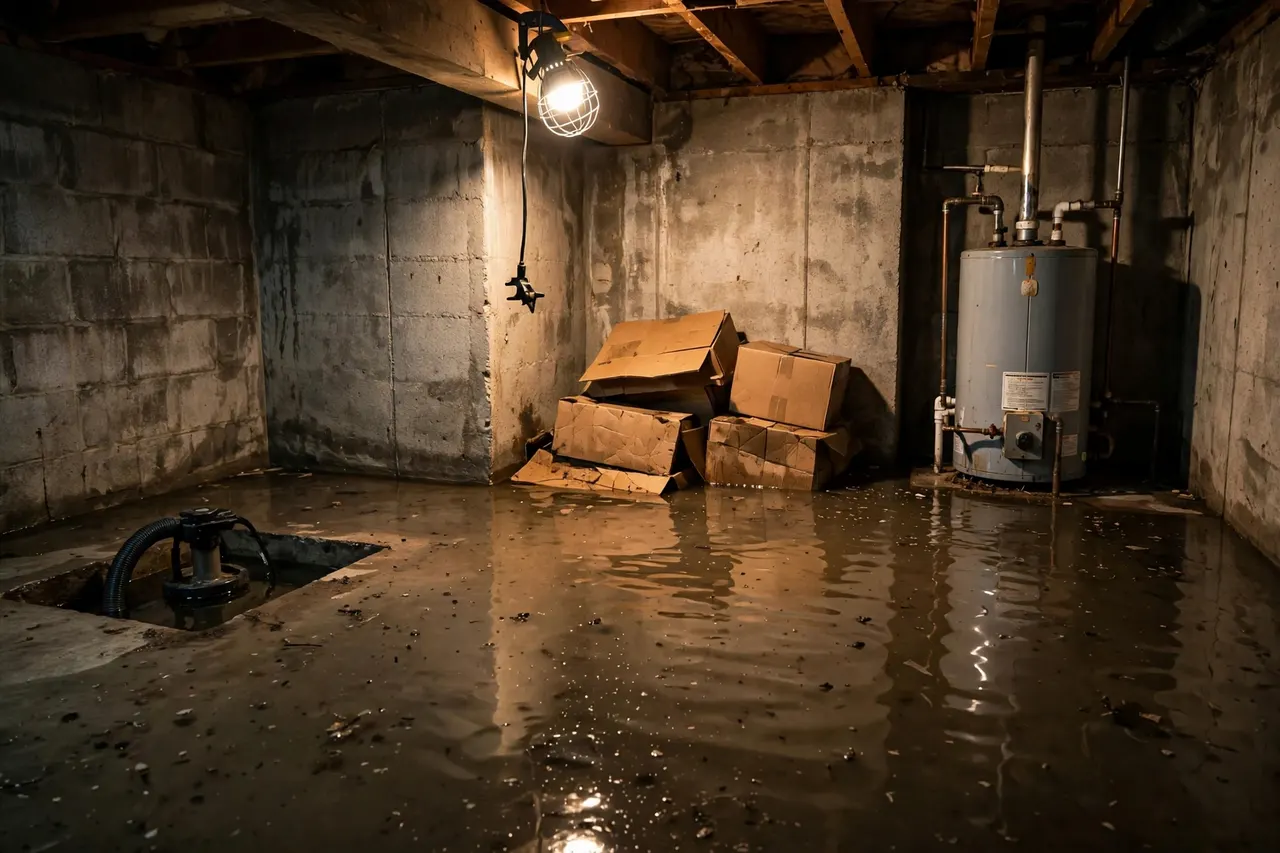
In a basement, start by checking the sump pump: is it running, is the float switch free to move, is the discharge line clear, and is the power on? Sump pump failure during heavy rain is one of the most common causes of basement flooding, and a pump that restarts can hold water at the pit instead of letting it spread across the floor.
If water is entering through floor drains, the storm or sewer system outside is backing up. Do not try to plug a drain against sewage pressure, and keep out of water that smells foul. Move stored items onto shelves or pallets, and wait for the rain to ease before extraction: pumping while groundwater still presses in can be wasted effort, and pros time extraction to when inflow slows.
What Should You Never Do While Flood Water Is Inside?
Never walk through flood water that may be in contact with electricity, and never use electrical appliances while standing in water. Never ignore a sewage smell: flood water is treated as Category 3 water because it carries bacteria, and skin contact should be avoided. Never wade through moving outdoor water to reach a shutoff — it can knock an adult down and hides drop-offs and open drains.
Two tempting mistakes belong on the same list: sealing a house so tightly against outdoor water that pressure builds on its walls and floors, and delaying the call for help because the water looks like it is stopping. Standing water keeps soaking deeper into drywall, insulation and subfloors every hour it sits, and mold can begin within 24 to 48 hours.
When Should You Leave And Let Pros Take Over?
Leave when water is rising faster than you can slow it, when it reaches electrical fittings, when sewage is involved, or when officials advise evacuation. Follow National Weather Service alerts and local emergency guidance, and check the flood safety advice on Ready.gov. A house can be extracted, dried and rebuilt; the safety margin cannot be recovered once it is spent.
Call for help in parallel, not afterwards. Call (800) 555-0100 — one free call connects you with a local pro who can arrive in 30–60 minutes in the cities served. While you wait, keep raising belongings, keep people clear of wet rooms, and note where the water entered and when; that helps the pro's moisture mapping on arrival.
What Happens After The Water Stops Rising?
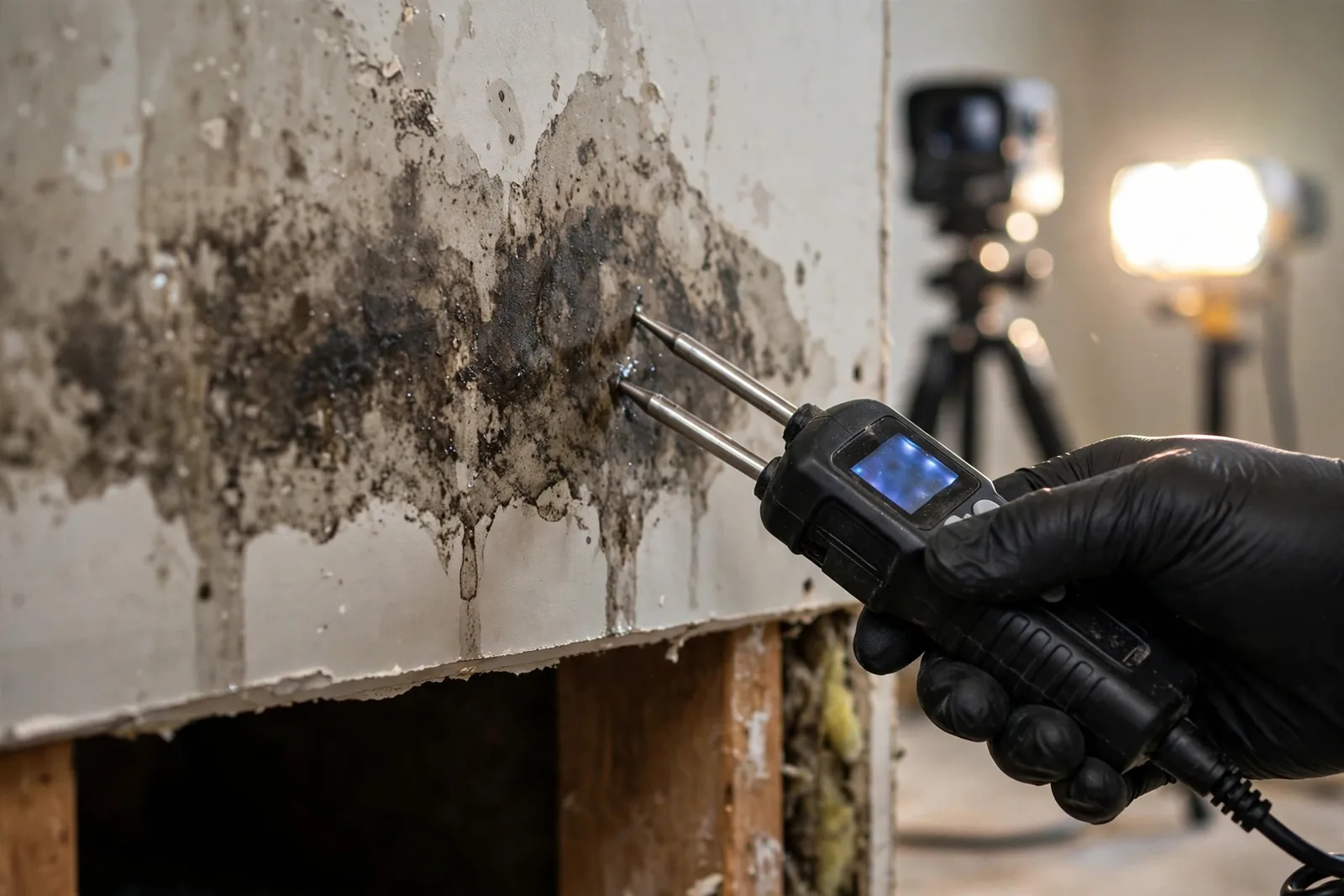
Once the inflow stops, the job changes from stopping to removing: water extraction with pumps and truck-mounted units, removal of silt and mud, taking out materials that cannot be saved, and structural drying to measured targets. The faster extraction follows the stop, the less material has to come out — which is why the barrier and shutoff work you did still pays off after the water peaks.
Photograph everything before cleanup moves it, keep the drying log the pro maintains, and check whether your cover is a homeowners policy or a separate flood policy through the National Flood Insurance Program. Then read the prevention guides on this site, so the next storm meets a house that is harder to flood.