King Tides And Sunny-Day Flooding On The Gulf Coast
Reviewed By Hamza 8 Min Read
Quick Answer
A king tide is an especially high tide that can push seawater over streets, drains and seawalls even in calm, sunny weather. When that water enters a home it is treated as contaminated Category 3 water, and salt makes it harder on floors, wiring and appliances than rain, so extraction, cleaning and measured drying should follow.
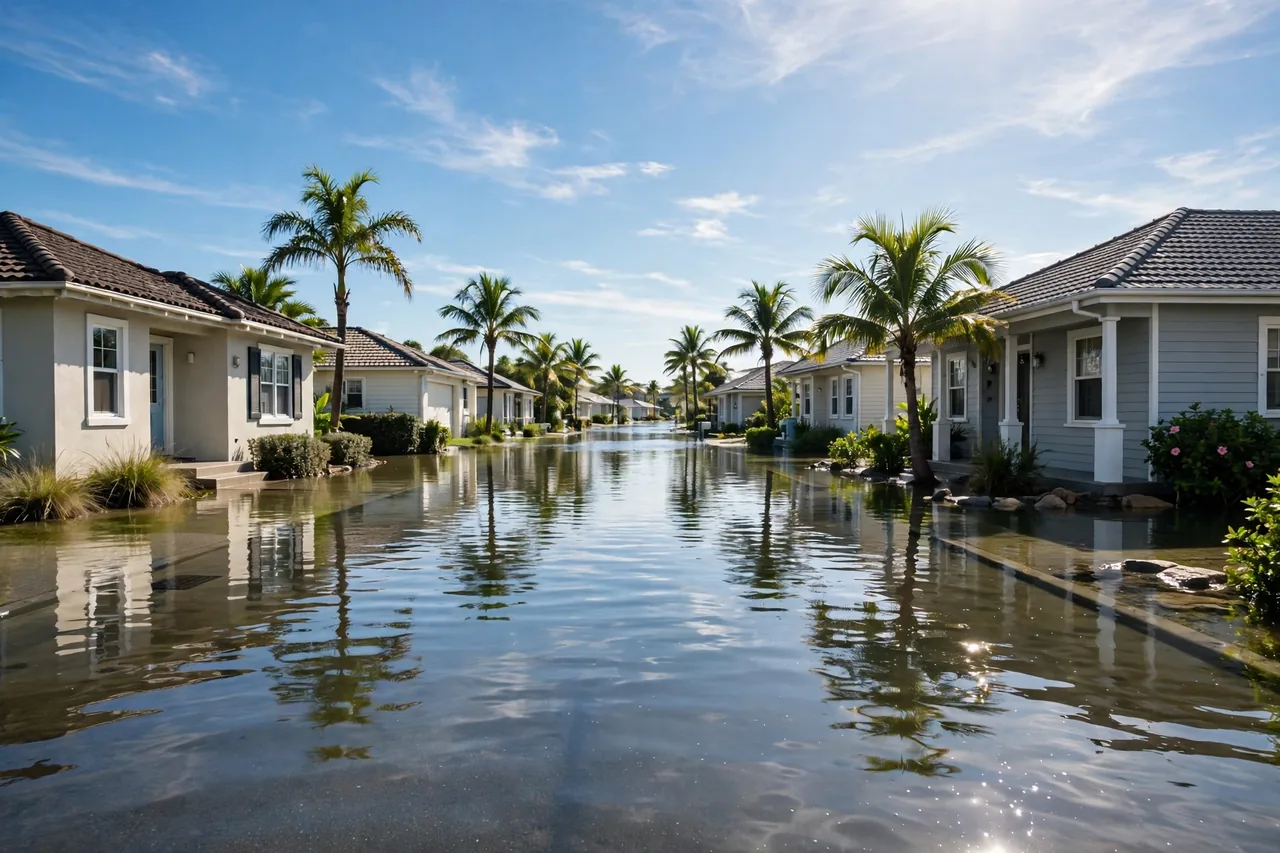
Sunny-day flooding confuses people because nothing looks wrong with the weather. The street fills, water creeps across the yard, and a ground floor gets wet while the sky stays clear. On the Gulf Coast, tides alone can do this.
What Is A King Tide, And Why Does It Flood On Sunny Days?
A king tide is a popular name for the highest tides of a cycle, when the pull of the moon and sun line up and the sea reaches further inland than usual. No storm is needed. Where land sits low and flat, that extra height is enough to top kerbs, spill from drains and cover streets that stay dry on ordinary tides.
Wind can make it worse by pushing surface water toward shore, but calm days flood too. That is why residents call it sunny-day flooding: the cause is the tide table, not the forecast, and homes that sit close to tidal water feel it first.
How Does Tidal Water Get Inside A Gulf Coast Home?
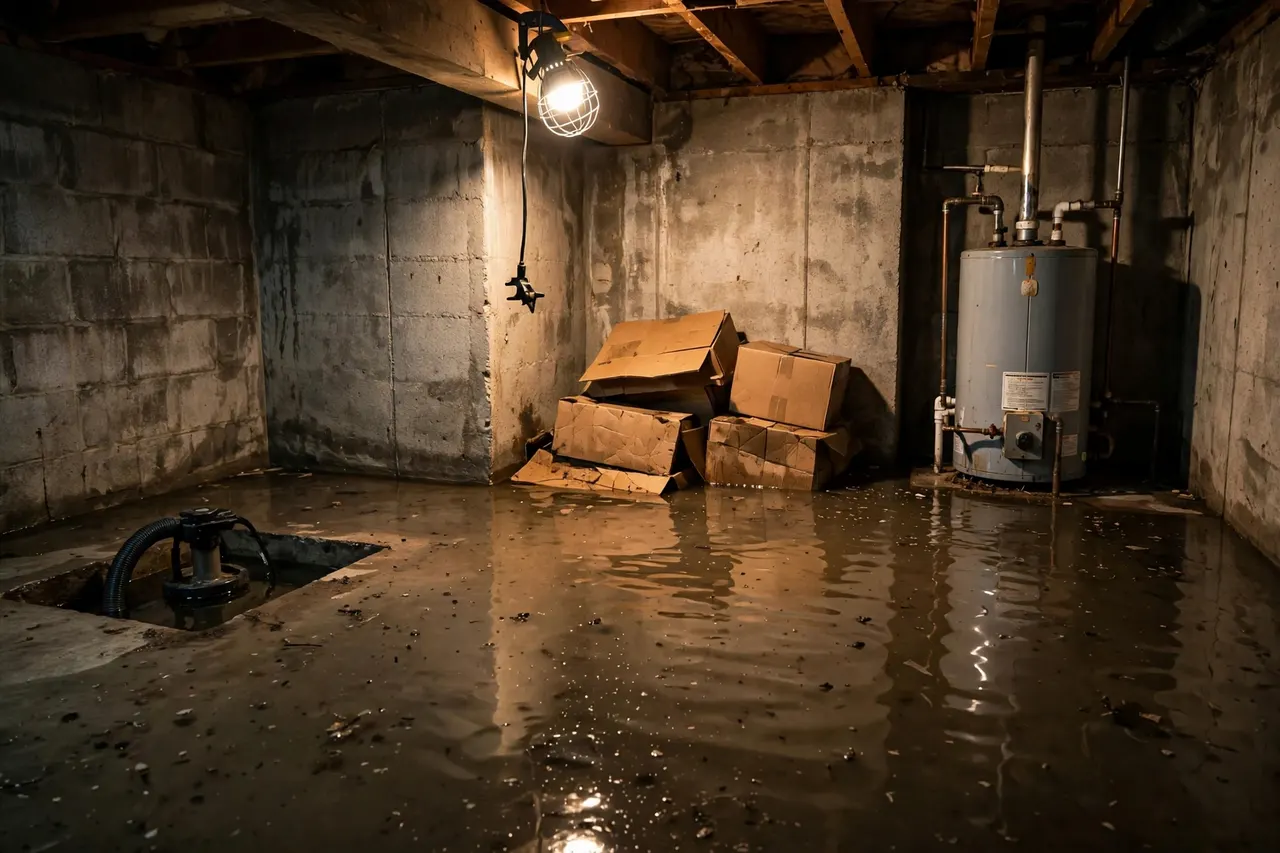
Tidal water rarely arrives through a single opening. It backs up through storm drains and floor drains, seeps under doors and garage thresholds, rises through gaps around pipes, and spreads across slab floors once streets and yards are covered. A crawl space can fill quietly before any living room shows water.
Because the tide rises and falls, water may enter, partly drain away, and return with the next high tide. Each return wets the same baseboards, wall cavities and subfloors again, pushing moisture deeper even when the depth indoors never looks dramatic.
Why Is Salt Water Harder On A Home Than Rain?
Seawater leaves salt behind as it dries, and salt keeps attracting moisture from the air, so surfaces can stay damp long after they look dry. Salt also corrodes metal: wiring connections, appliance parts, fasteners, and HVAC system components all suffer when salty water reaches them and residue is left in place.
Tidal water is not clean, either. On its way through streets, marinas, yards and drains it picks up soil, fuel, fertiliser and sewage, so pros treat flood water as Category 3 water. Cleaning has to remove contamination and salt residue, not just dry the room.
Which Rooms And Materials Suffer First In Tidal Flooding?
Ground floors, garages and rooms over a crawl space take the water first. Carpet and carpet pad soak it up, drywall wicks it above the visible line, and insulation inside a wall cavity holds it longest. Laminate and vinyl plank flooring can let water pass to the subfloor while the surface still looks sound.
Flood Water In Your Home Right Now?
One free call connects you with a local pro near you.
Cabinetry made from particleboard swells, baseboards split away from walls, and silt and mud settle along the lowest edges of every room. Hardwood flooring may cup as it absorbs salty moisture from below. The damage list is usually longer under the surface than on it.
What Should You Do While Tidal Water Is Inside?
Keep people and pets out of wet rooms, and avoid walking through water that could hide drains, debris or live electrics. Switch off power to affected rooms only if the electrical panel can be reached from a dry place. Photograph each room from the doorway, move dry belongings upward if that can be done safely, and never use household appliances that flood water has reached.
Call (800) 555-0100 while the tide is still in. One free call connects you with a local pro who can plan extraction for when the water starts to fall, so work begins as soon as the home can be entered safely.
How Do Pros Clean Up After A King Tide?
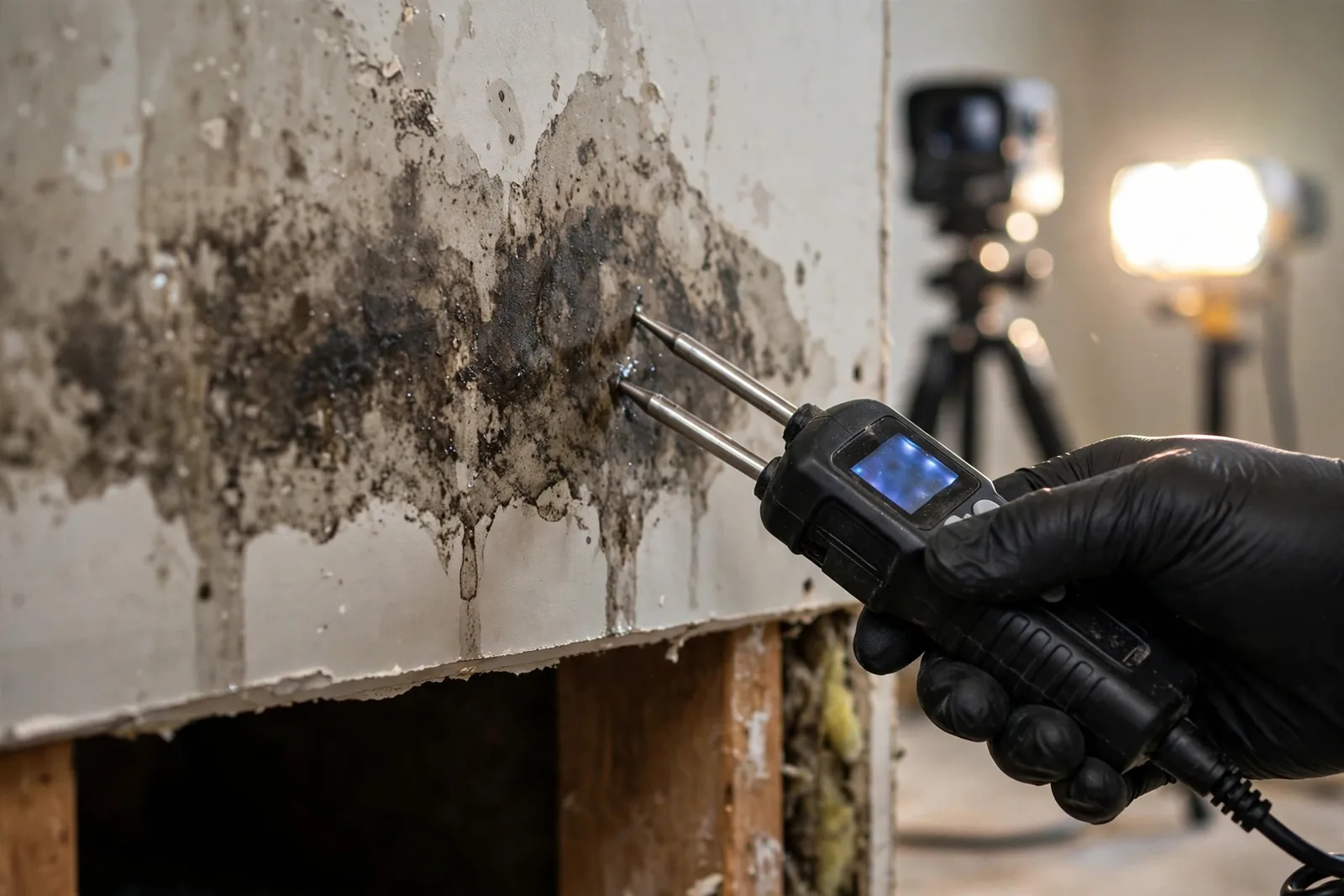
A pro starts with inspection and moisture mapping, using a moisture meter and often a thermal imaging camera to find where tidal water travelled. Standing water is removed with a submersible pump and a truck-mounted extraction unit, then silt and mud are cleaned out before surfaces are washed, given antimicrobial treatment, and checked for salt residue.
Ruined porous materials come out, including soaked carpet pad, wet insulation and damaged drywall opened with a flood cut. Structural drying then runs with air movers and a dehumidifier, and readings are kept in a drying log until each point reaches its target. Mold can begin growing within 24 to 48 hours, so that drying clock matters.
How Can You Get Ready For The Next High Tide Cycle?
King tides return on a cycle, so use dry weeks well. Note which doors, drains and low points let water in this time, keep photographs and the drying log together, store belongings off ground floors where you can, and check that floor drains are clear. Ready.gov and FEMA both publish plain guidance on preparing a home for flooding.
Garages deserve a place in that plan, because they often sit lower than the house and hold paint, fuel, tools and stored belongings at exactly the height tidal water reaches. Raise what you can onto shelving, keep cardboard boxes off the slab, and check the garage after every high tide, even when the living rooms stayed completely dry this time.
If your street floods on sunny days, treat each event as a warning rather than a nuisance. Call (800) 555-0100 for 24/7 help — a local pro can arrive in 30–60 minutes in the cities served, map the moisture the tide left behind, and explain what needs cleaning, removal and drying before the next cycle.