Sump Pump Failure During A Storm: What To Do
Reviewed By Hamza 8 Min Read
Quick Answer
When a sump pump fails during a storm, groundwater keeps collecting in the pit with nowhere to go, overflows onto the basement floor, and spreads under flooring and into wall bases. Keep people out of the water, protect electrics, move dry belongings up, and call for extraction and drying help.
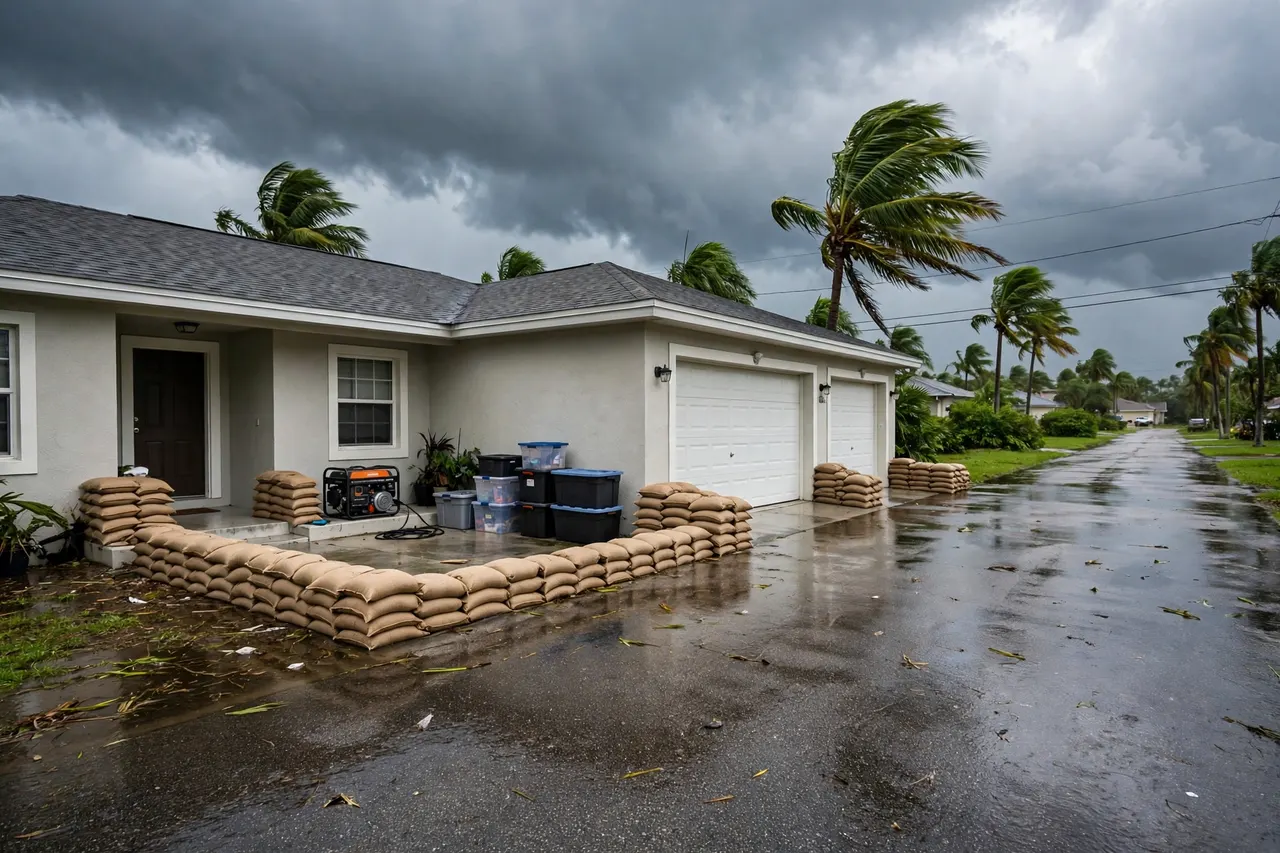
A sump pump is easy to forget about until the night it stops. During a storm it may be the only thing moving groundwater out of your basement, so a failure shows up quickly — as water rising in the pit, then across the floor.
What Happens When A Sump Pump Fails During A Storm?
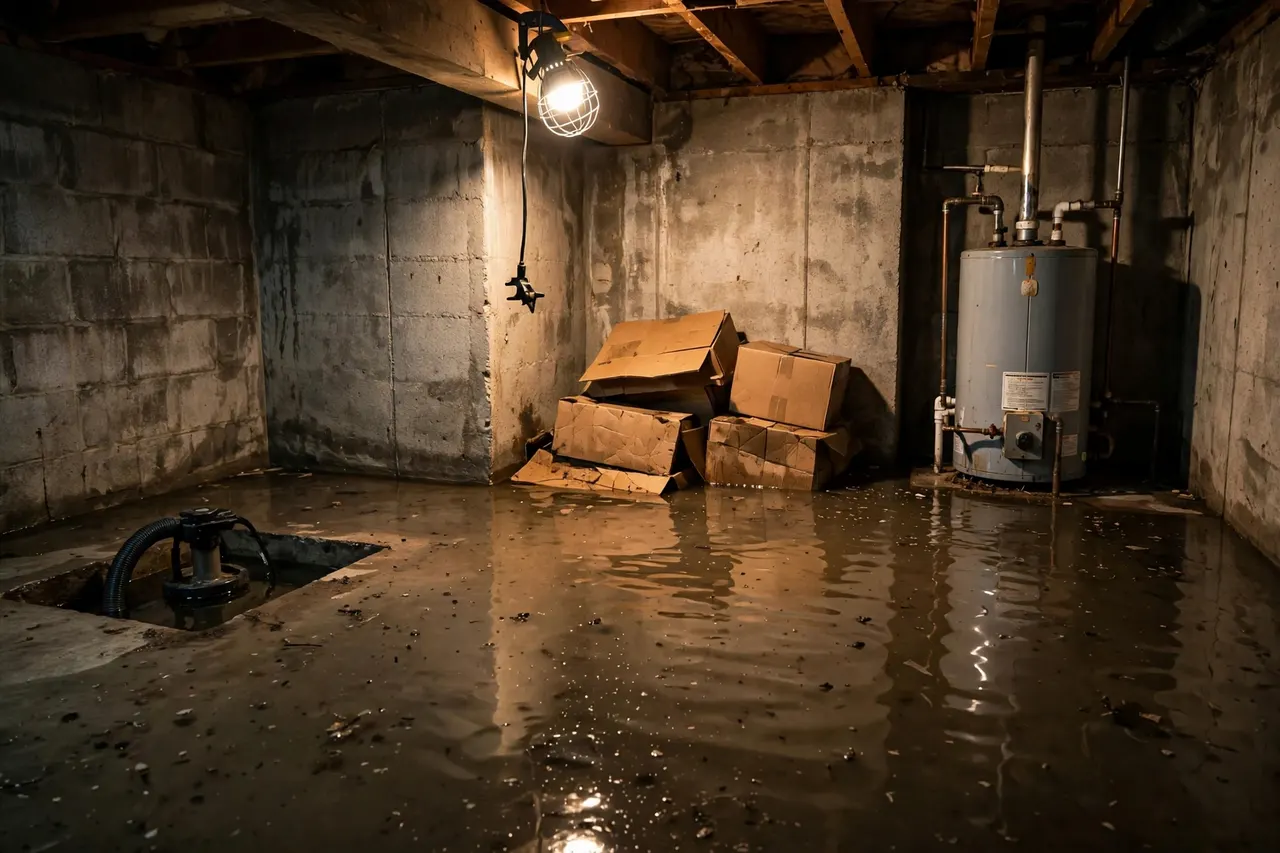
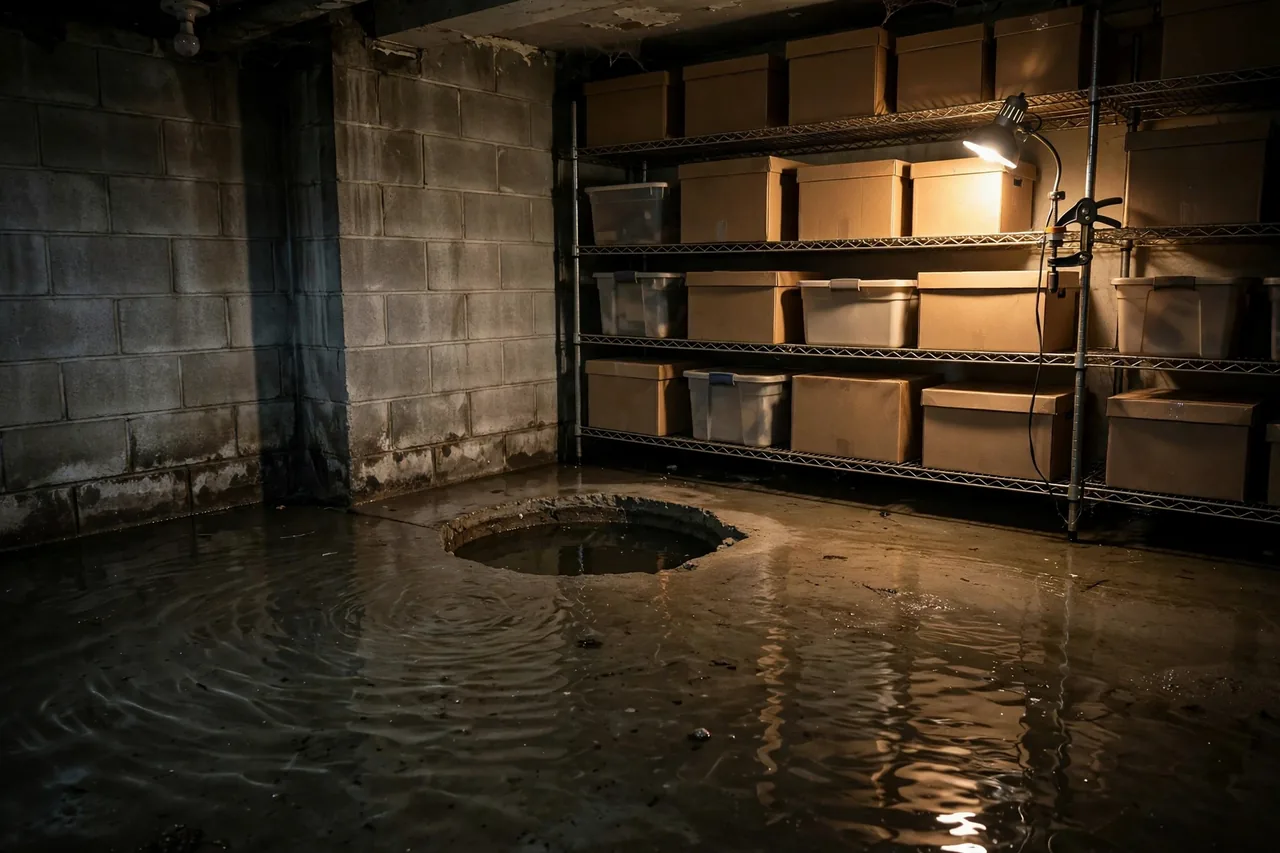
The pit fills and overflows, because the drainage lines around your foundation keep delivering groundwater to it while the storm lasts. Water then spreads across the lowest floor, wicks into drywall and baseboards, and soaks carpet and carpet pad. Finished basements suffer most, because flooring, furniture and stored belongings sit directly in the path of the overflow.
The water itself is groundwater, which starts cleaner than street flood water. Once it has spread across a floor, though, it picks up whatever it touches — soil tracked in, cleaning products, and anything stored at floor level. Treat a flooded basement floor as dirty water, and keep children and pets out of it.
Why Do Sump Pumps Stop Working In Heavy Rain?
Power loss is the most common storm cause: the pump is fine, but the outage stops it completely. Other pumps fail mechanically — a stuck float switch, a clogged intake, a burned-out motor, or a discharge line that is blocked or frozen. A pump can also simply be overwhelmed when inflow during a downpour exceeds what it can move.
Some failures give warning signs beforehand. A pump that runs constantly, cycles on and off rapidly, makes grinding noises, or leaves the pit fuller than usual is struggling. Testing the pump before storm season — pouring water into the pit and watching it switch on, discharge and switch off — catches many of these problems while the basement is still dry.
Age and wear sit behind many storm failures too. The float switch is the part that works hardest, moving with every cycle, and a switch that sticks even once in a test is a switch that can stick during the storm that matters. Debris in the pit — gravel, silt, a child's toy washed in — can jam the float or the intake the same way. A pit that is kept clear, with a lid that keeps objects out, removes a whole group of avoidable failure causes before the rain starts.
What Should You Do First When Your Sump Pump Fails?
Start with safety. Do not walk through basement water to reach the pump if the water may be near outlets, appliances or the electrical panel. If you can cut power to the basement from a dry place at the panel, do so. Never handle a plugged-in pump while standing in water.
Next, protect what is still dry. Move documents, medicines, electronics and dry belongings upstairs, working from the dry edges rather than wading through deep water. Photograph the pit, the water line and each affected room for your records. Then call for help — extraction can begin even while the pump problem itself is being sorted out.
Flood Water In Your Home Right Now?
One free call connects you with a local pro near you.
Can You Bail Or Pump The Water Out Yourself?
Bailing with buckets slows a small overflow but rarely keeps pace with storm inflow, and it means repeated trips through contaminated water. A portable utility pump can help in shallow, clean groundwater if it can be powered safely from a dry location — but running extension leads across a wet floor to power equipment is itself a shock risk.
The honest limit is volume and safety. Pros bring submersible pumps and truck-mounted extraction units that move far more water than household equipment, with power and hoses managed from dry areas. If water is more than ankle deep, still rising, or anywhere near electrics, leave the pumping to them.
How Does A Pro Stop The Flooding And Dry The Basement?
A pro first makes the scene safe, checking power and water depth before entering. Standing water is extracted with pumps and extraction units, and the pit is cleared so a working or temporary pump can hold the level down. Why the original pump failed — power, float, motor or discharge line — is identified so the fix addresses the real cause.
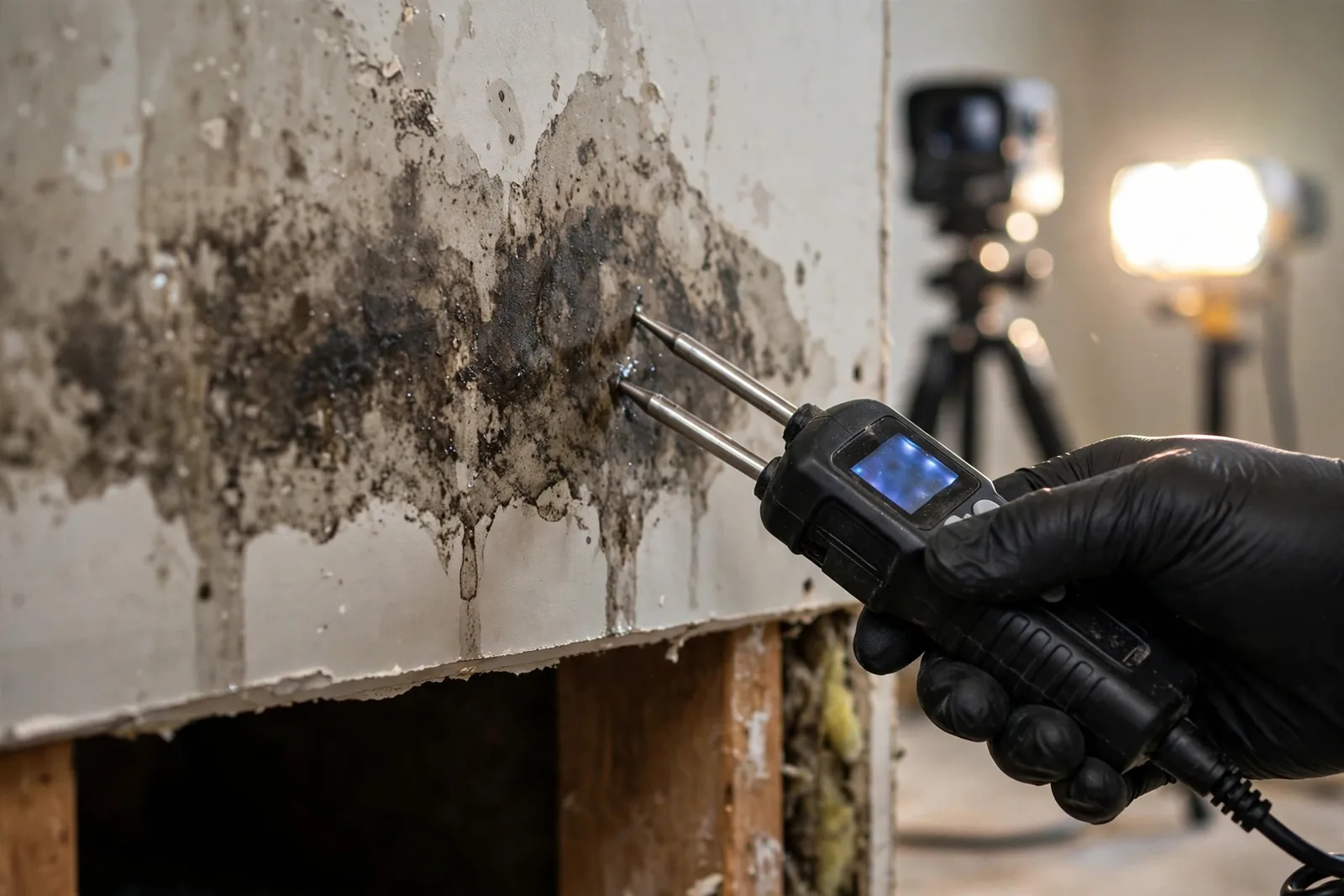
Then cleanup and structural drying begin. Ruined carpet pad and soaked materials come out, remaining surfaces are cleaned and given antimicrobial treatment, and air movers with a dehumidifier dry framing, subfloor and wall bases. A moisture meter tracks readings until they reach dry targets, recorded in a drying log you can keep for an insurer.
What Damage Does Sump Pump Flooding Cause If It Sits?
Water that sits keeps travelling. It wicks up drywall, swells baseboards and door frames, and works under laminate and vinyl plank flooring to soak the subfloor below. Cardboard storage boxes collapse into the water, and upholstered furniture absorbs it. The longer the floor stays wet, the more material crosses from dryable to removable.
Mold is the time-sensitive part. Black mold can begin growing on wet materials within 24 to 48 hours, and a damp basement gives it plenty of food in drywall paper, wood and dust. Fast extraction and measured drying are what keep a pump failure from becoming a mold problem as well.
How Can You Make A Sump Pump Failure Less Likely Next Time?
Test the pump regularly by pouring water into the pit, keep the pit clear of debris, and make sure the discharge line runs freely away from the house. A battery backup pump covers the outage scenario, which is the failure storms cause most often, and a water alarm on the pit warns you while the problem is still small.
If your basement has flooded once through the pit, it can happen again in the next heavy storm. Call (800) 555-0100 — one free call connects you with a local pro who can arrive in 30–60 minutes in the cities served, extract the water, and dry the basement to measured targets.