What Is Water Mitigation?
Reviewed By Hamza 9 Min Read
Quick Answer
Water mitigation is the emergency work that stops water damage getting worse after a flood or leak: the source is controlled where possible, standing water is extracted, materials that cannot be saved are removed, and structural drying begins. It comes before remediation and rebuilding, and its whole purpose is to limit how much of the home is lost.
Water mitigation is the stage of flood recovery measured in hours, not weeks. Everything done under that name has one aim: keep a bad water event from becoming a worse one, by removing water fast and starting controlled drying before moisture spreads further into the structure.
What Does Water Mitigation Actually Cover?
Water mitigation covers controlling the water source where that is possible, extracting standing water, removing materials already ruined beyond saving, and setting up structural drying. It also covers a safety assessment before work starts and moisture mapping, so the crew knows exactly where water has travelled inside floors, walls and cavities.
It does not cover rebuilding. Mitigation does not fit new drywall, lay new flooring or repaint. Those belong to restoration, which only starts once the structure is clean and proved dry. Thinking of mitigation as the stage that limits loss, rather than the stage that repairs loss, keeps the term clear.
Why Does Mitigation Happen First, Before Any Rebuilding?
Mitigation happens first because wet materials keep deteriorating while they stay wet. Drywall softens and loses strength, insulation holds water against framing, and a concrete slab or subfloor keeps feeding moisture upward into rooms above. Black mold can begin growing on wet materials within 24 to 48 hours, so the clock starts as soon as water enters.
Rebuilding over a structure that is still wet traps that moisture behind new materials. New drywall fitted over damp framing, or new flooring laid over a wet subfloor, hides the problem instead of solving it — and the trapped damp feeds mold and rot out of sight. Drying first, proved with readings, is what makes rebuilding safe.
What Happens During A Mitigation Visit, Step By Step?
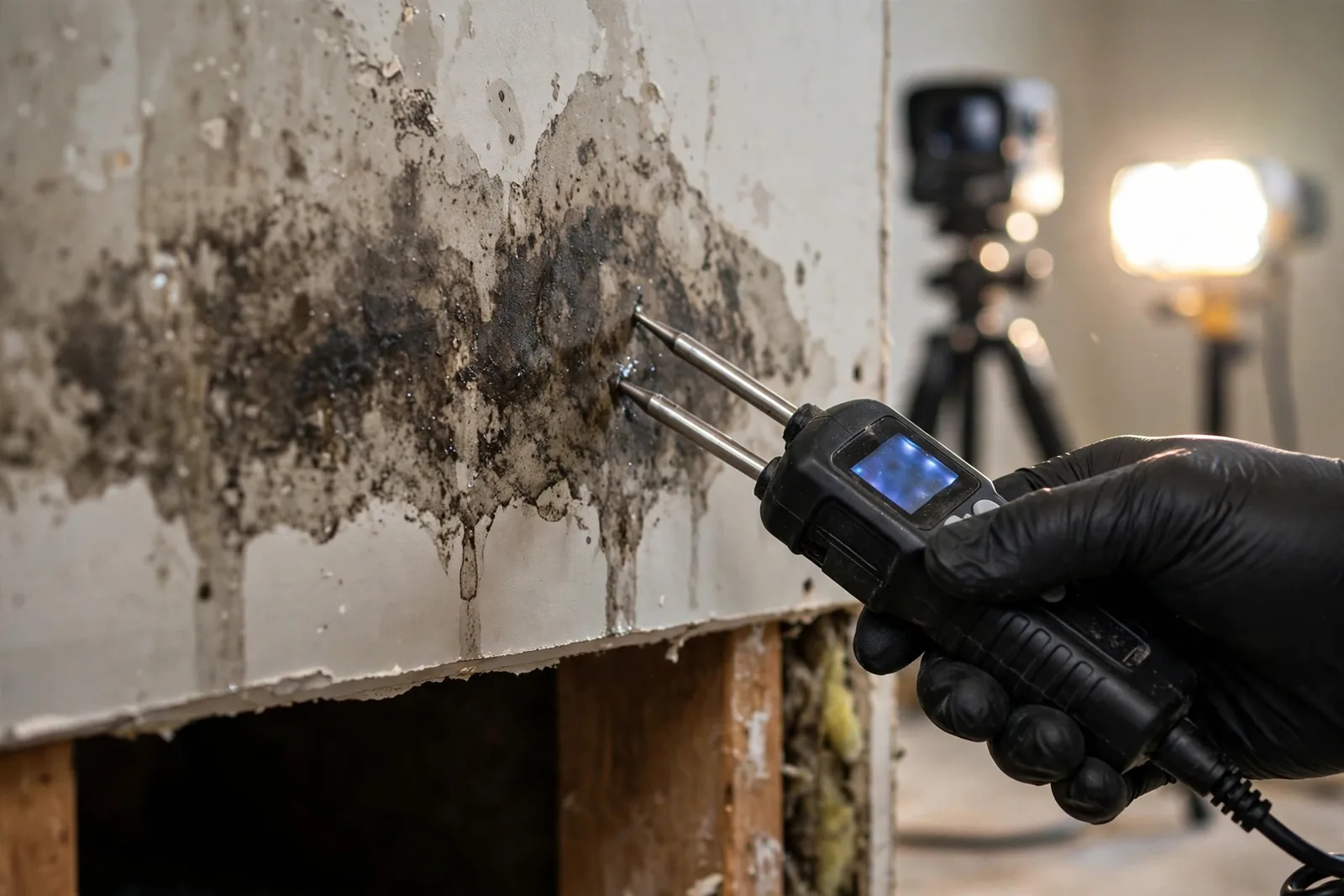
A mitigation visit starts with a safety assessment and inspection. The pro checks for electrical hazards around an electrical panel, outlets and appliances, looks at ceilings and structure, and maps moisture with a moisture meter and often a thermal imaging camera. Readings are recorded room by room and form the start of a drying log.
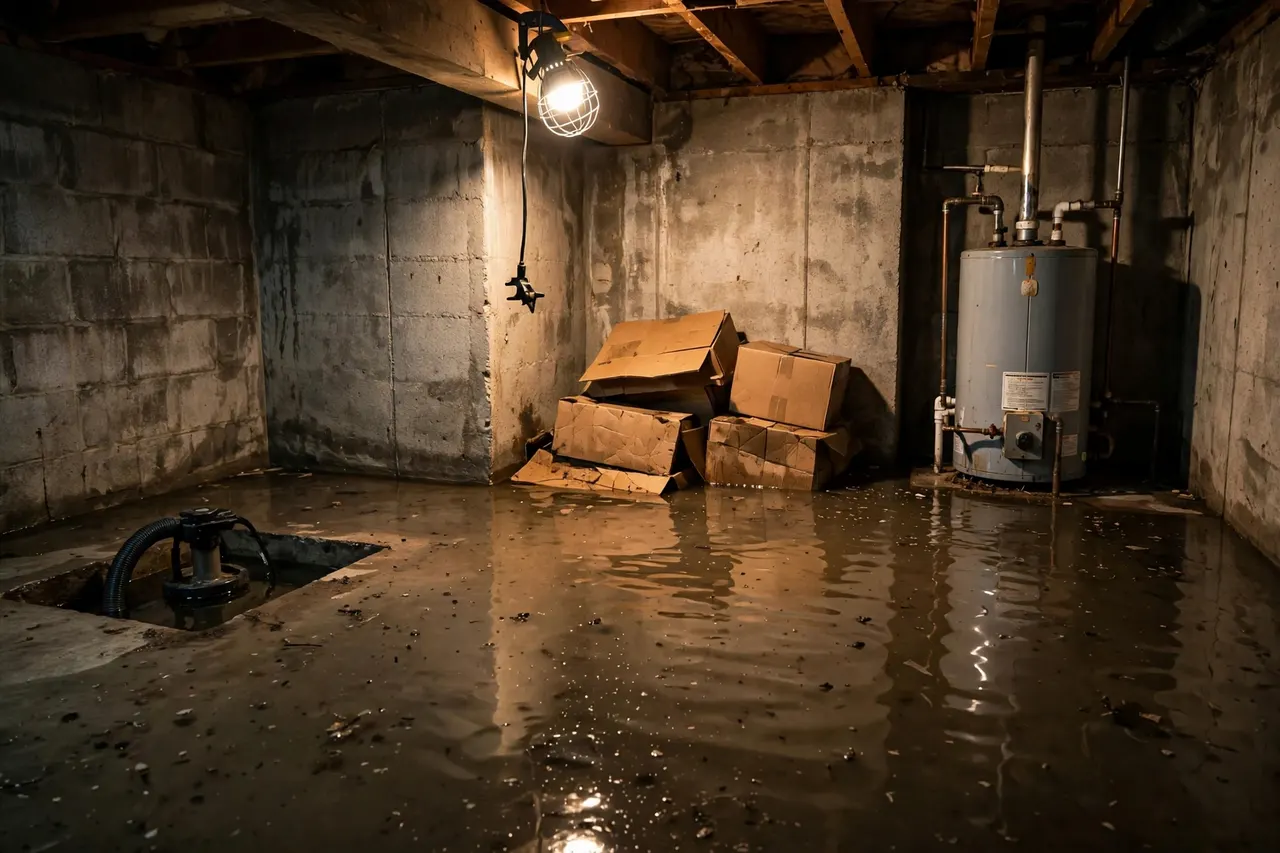
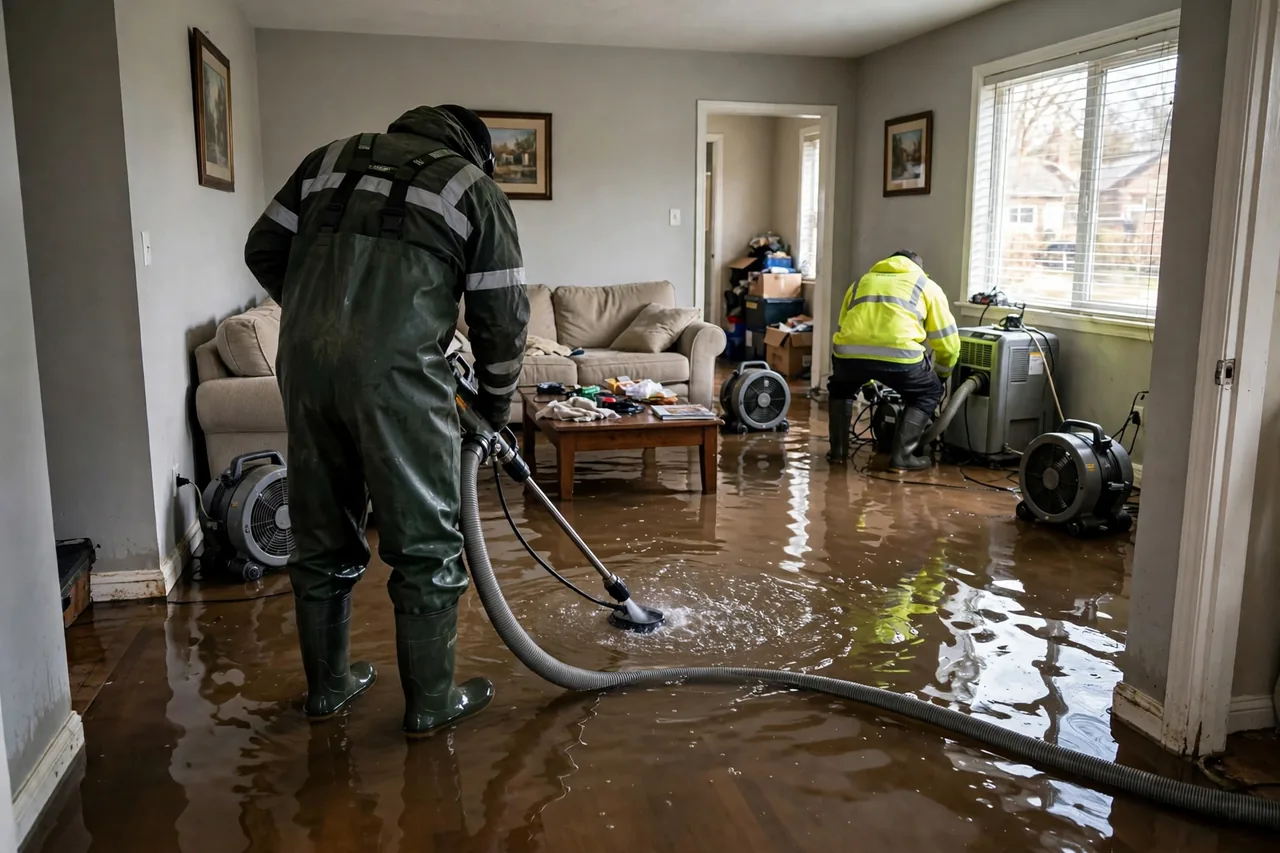
Water extraction comes next. A submersible pump handles deeper standing water, and a truck-mounted extraction unit pulls large volumes quickly from floors and carpet. Removing liquid water directly is far faster than drying it out of the air, so extraction does most of the early work.
Then materials that cannot be saved come out. Carpet pad soaked by flood water, wet insulation and the flooded lower section of drywall — opened with a flood cut above the water line — are removed so framing and wall cavities can dry. Finally, air movers and a dehumidifier are placed for structural drying, and a containment barrier may seal the work area where sewage backup is involved.
How Does Mitigation Differ From Remediation And Restoration?
Mitigation limits the damage; remediation makes the home safe and clean; restoration rebuilds it. Remediation deals with what flood water left behind — contamination on framing, silt and mud, bacteria in porous materials — including cleaning and antimicrobial treatment of surfaces that stay. Restoration then replaces what was removed.
Flood Water In Your Home Right Now?
One free call connects you with a local pro near you.
The order matters because each stage depends on the one before. A home can be mitigated and still need remediation: standing water gone and drying running does not mean contaminated materials have been dealt with. Equally, restoration begun before remediation and drying are finished simply covers problems up. Most significant floods need all three stages in sequence.
How Long Does Water Mitigation Take?
The emergency part of mitigation — inspection, extraction and removing ruined materials — is usually done on the first visit or across the first day. Structural drying then runs for several days in most homes, with the pro returning to take moisture readings at the mapped points and adjust equipment as areas dry at different speeds.
What stretches the timeline is how far water travelled and what it soaked. Water inside a wall cavity or under laminate and vinyl plank flooring dries more slowly than an open room, and Category 3 water adds removal and treatment steps. The drying log, not the calendar, decides when mitigation is complete: every mapped point has to reach its dry target.
What Can Homeowners Do Before Mitigation Starts?
Homeowners can help most by keeping people and pets out of flooded rooms and switching off power to wet areas only where the panel can be reached from a dry place. Medicines, documents and dry belongings can be moved out of wet rooms if that can be done without wading through deep water. Photographing each room from the doorway creates a record before anything is moved.
What helps least is starting demolition without readings. Tearing out drywall or lifting flooring before moisture mapping can remove materials that could have dried in place, and it disturbs contaminated material without containment or protective equipment. Leave removal decisions to the mapped inspection — that is what the first visit is for.
How Is Mitigation Documented For Insurance?
Mitigation is documented from the first visit. The pro's moisture mapping records where water went, photographs show each room before and after extraction and removal, and the drying log tracks daily readings until targets are met. Together these show an insurer or the National Flood Insurance Program (NFIP) what was wet, what had to be removed and why.
Keeping your own records alongside helps: photos taken before the crew arrives, a note of when water entered and when it receded, and receipts for anything you had to replace immediately. Standard homeowners policies usually do not cover outdoor flooding, while a separate flood policy may — either way, a clear drying log and photo record support whatever claim applies.
When Is Mitigation Done, And What Follows It?
Mitigation is done when standing water is out, unsalvageable materials are removed, and moisture readings at every mapped point sit at dry targets. At that point remediation completes any cleaning and treatment still needed, and restoration can rebuild what was taken away — drywall, flooring, baseboards and cabinetry — onto a structure proved dry.
If water is in your home now, mitigation is the stage that cannot wait. Call (800) 555-0100 — one free call connects you with a local pro who can arrive in 30–60 minutes in the cities served, map the moisture room by room, and start extraction and drying before the damage spreads further.