What To Throw Away After A Flood
Reviewed By Hamza 8 Min Read
Quick Answer
Throw away food, medicines and personal items that flood water touched, plus porous belongings that soaked in it, such as mattresses, pillows, soft toys and carpet pad. Hard, non-porous items can usually be washed and disinfected. Flood water is treated as contaminated Category 3 water, so anything that holds it inside cannot be cleaned safely.
After a flood, the hardest questions are often about ordinary things: the food in the cupboard, the mattress upstairs, a child's toy on the floor. Keeping the wrong item can keep contamination in the home, so sorting needs clear rules.
Why Does Flood Water Make So Many Everyday Items Unsafe?
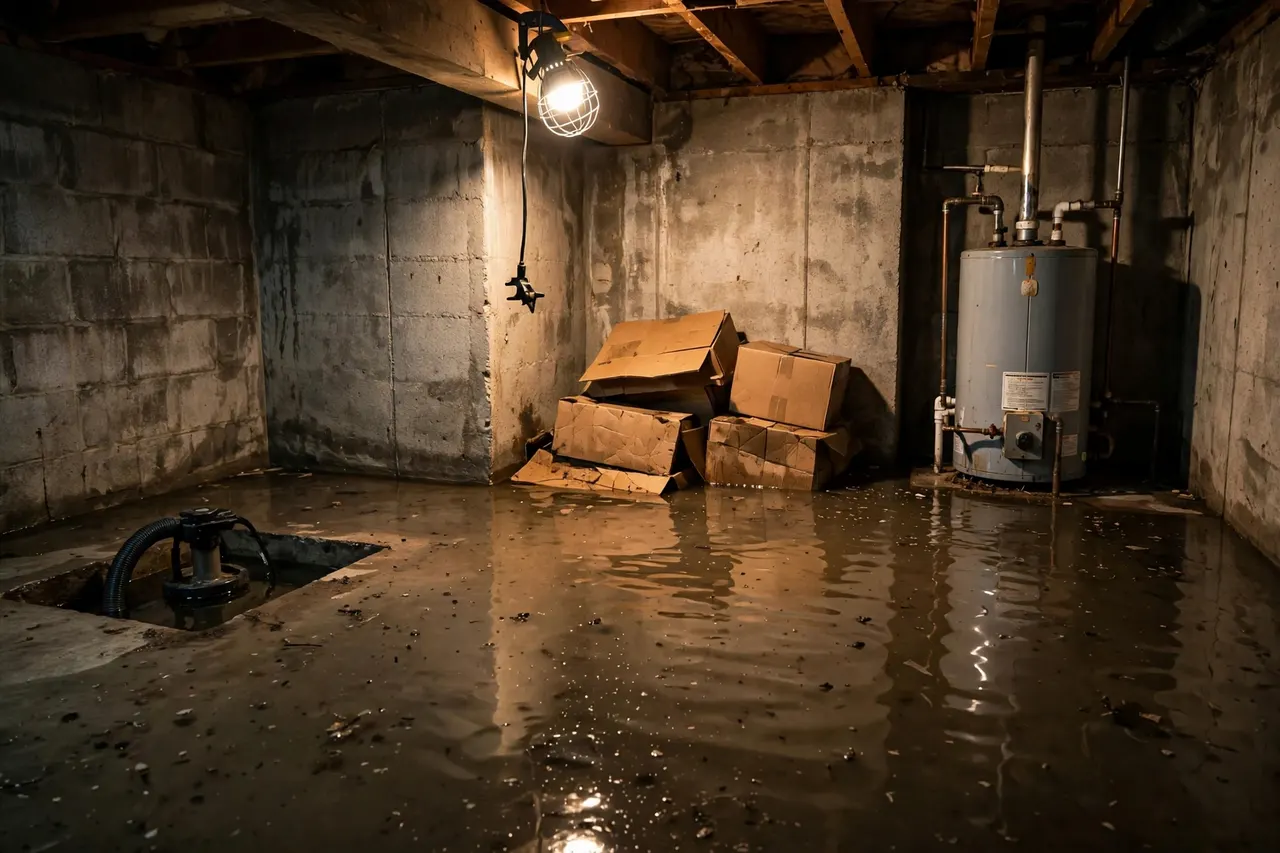
Flood water is treated as Category 3 water because it arrives carrying soil, fuel, fertiliser and sewage picked up from streets, yards and drains. Anything porous that soaked in it holds that contamination deep inside, where washing cannot reach. That single fact decides most keep-or-throw choices in a flooded home.
Time matters too. Mold can begin growing on wet materials within 24 to 48 hours, so an item that might have been cleaned on the first day may be lost a few days later. Sort early, photograph everything, and keep your discard pile separate from items awaiting cleaning.
Which Foods Have To Go After A Flood?
Throw away any food that flood water touched, including perishables, food in cardboard or paper packaging, and items in damaged, bulging or leaking containers. Food in screw-top, snap-lid or home-canned packaging that water reached should also go, because water can work under seals. Ready.gov and FEMA give the same plain rule: when in doubt, throw it out.
Work through the kitchen methodically: fridge, freezer, cupboards, then low drawers and floor-level storage. Note what you discard as you go. That list, with photographs, supports your records and stops a questionable item quietly returning to a shelf later.
What About Medicines, Cosmetics And Personal Items?
Medicines that flood water reached, or that sat in a warm, flooded room in damaged packaging, should be replaced rather than trusted. Talk to a pharmacist or prescriber about replacements, keep a written list of what was lost, and do not use products whose labels, seals or contents look affected by water.
Cosmetics, toiletries and personal items follow the same logic. Anything that touches skin, eyes or mouth and sat in flood water should go, while sealed hard containers kept well above the water line are a different case. Baby items deserve the strictest approach of all.
Which Soft Furnishings And Fabrics Cannot Be Cleaned Safely?
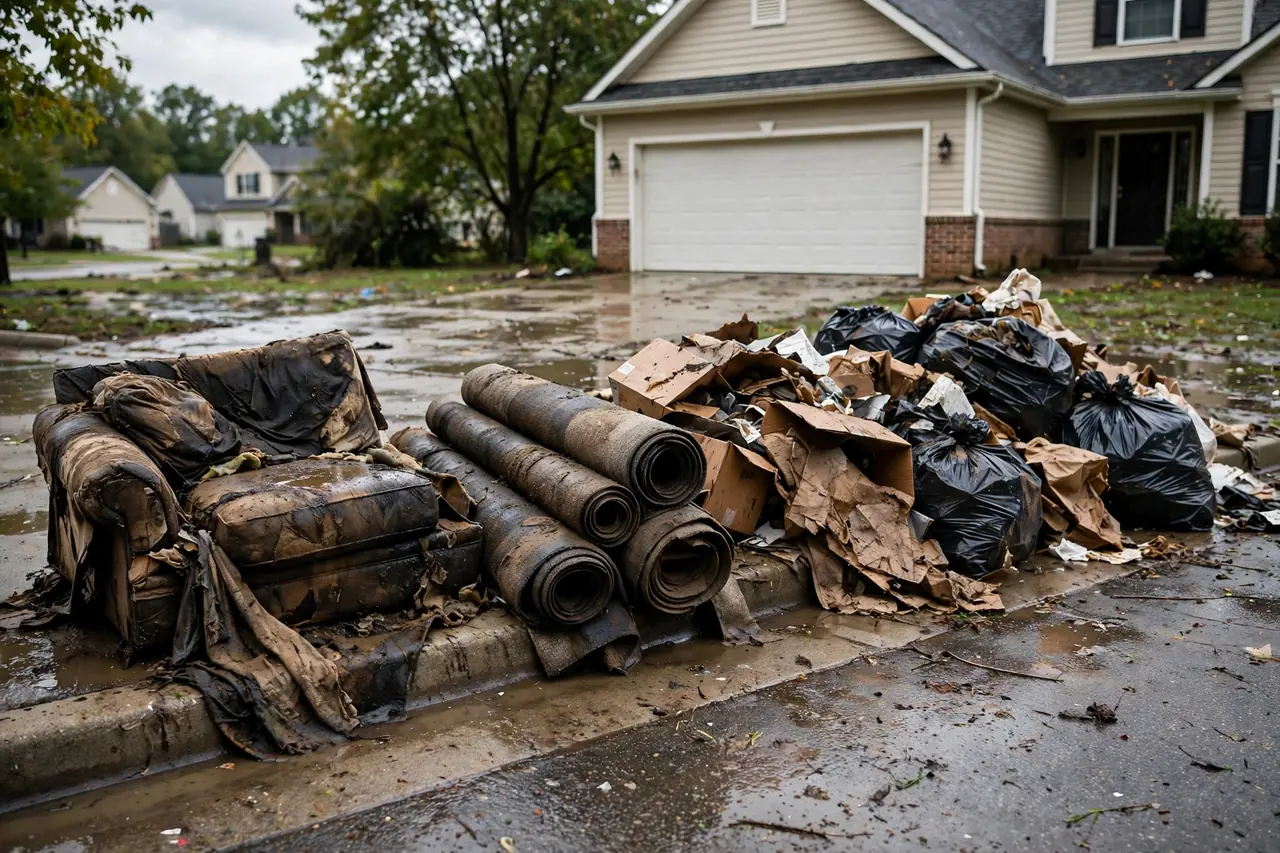
Mattresses, pillows, upholstered furniture, cushions and soft toys soaked by flood water usually have to be discarded. Their padding absorbs contaminated water deeply, dries slowly, and cannot be cleaned through. Carpet and carpet pad soaked by flood water usually come out as well, with the pad always removed.
Flood Water In Your Home Right Now?
One free call connects you with a local pro near you.
Clothing, bedding and curtains sit in the middle. Lightly affected washable fabrics may be cleaned carefully, but anything that still smells musty after washing, or that sat in deep or sewage-smelling water, should go. If the smell survives the wash, contamination likely did too.
What Happens To Flooded Appliances, Toys And Pet Items?
Appliances touched by flood water should stay switched off until checked, because water and silt inside motors, insulation and controls can make them unsafe and salt or contamination corrodes parts over time. A pro can identify which appliances were reached; replacement is often the safer outcome for smaller items such as toasters and microwaves.
Hard plastic toys without batteries or openings can usually be washed and disinfected, while soft toys and anything a baby mouths should be discarded after soaking. Pet food touched by flood water goes out, feeding bowls get a thorough clean, and flooded pet bedding follows the same rules as other soft furnishings.
Which Building Materials Usually Come Out During Cleanup?
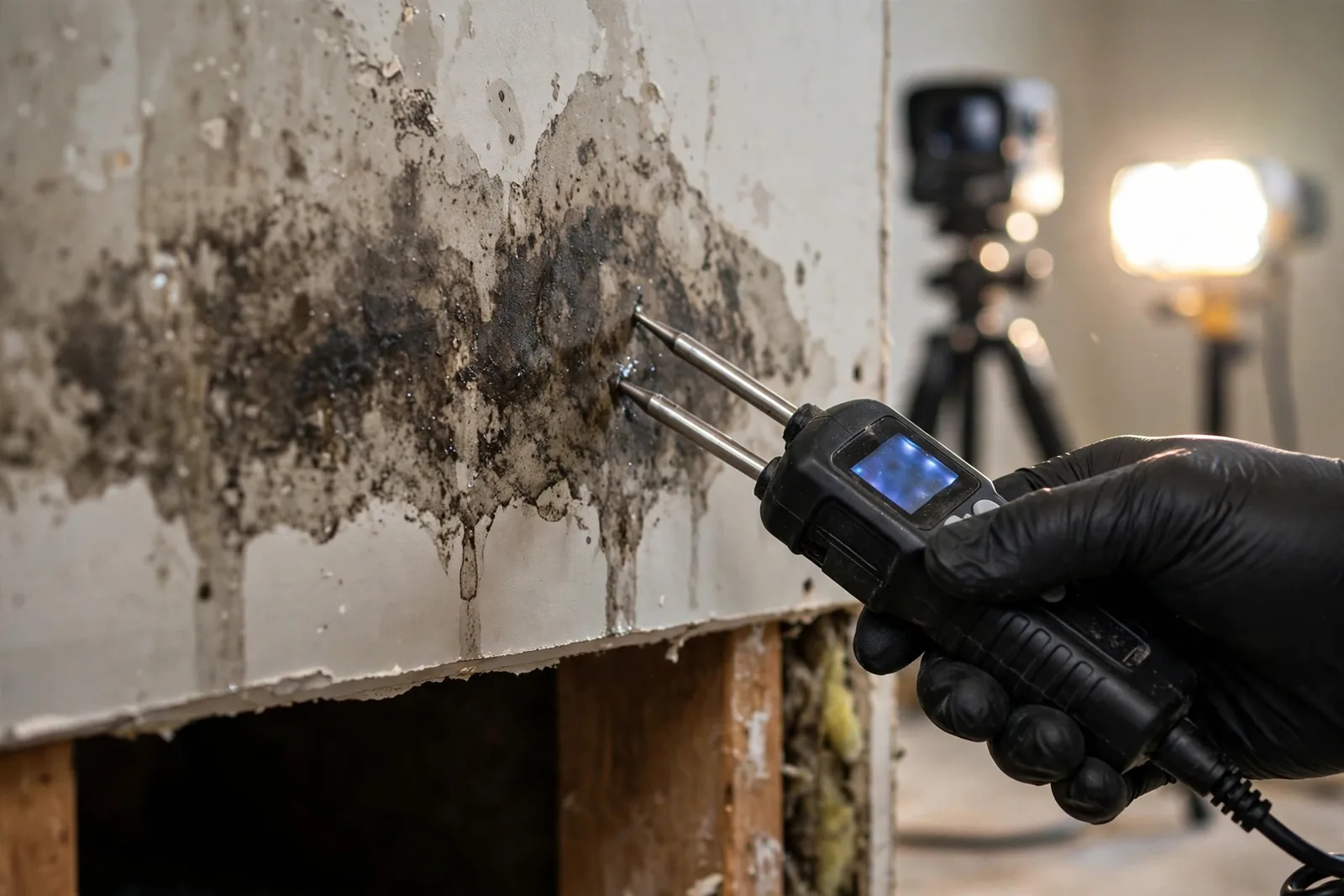
Inside the structure, wet insulation is removed because it holds water and contamination inside a wall cavity. Damaged drywall is taken away with a flood cut above the water line so framing can be cleaned and dried. Swollen particleboard cabinetry, badly cupped hardwood flooring and delaminated laminate usually come out too.
What stays is what can be cleaned and proved dry: concrete slab, framing lumber, tile and solid surfaces. Crews clean them, apply antimicrobial treatment, and dry them under measured structural drying, recorded in a drying log, before anything is rebuilt over them.
What Can Usually Be Kept, And How Should Sorting Happen?
Hard, non-porous belongings stand the strongest chance: metal, glass, sealed plastic and solid furniture can usually be washed and disinfected. Set up a simple system outdoors or in a dry room — keep, clean, throw away — and photograph each pile before anything leaves, item by item where values matter.
Work room by room rather than dragging items through the whole house, which spreads contamination into cleaner areas. Wear sturdy gloves and boots while sorting, keep children and pets away from both piles, wash hands and forearms after handling flood-soiled items, and set anything sharp, leaking or chemical aside for the pro rather than bagging it with ordinary household waste.
If sorting feels overwhelming, you do not have to decide alone. Call (800) 555-0100 for 24/7 help — one free call connects you with a local pro who can arrive in 30–60 minutes in the cities served, run a contents packout, and explain what can be saved in your home and what must go.