When Is It Safe To Return Home After A Flood?
Reviewed By Hamza 8 Min Read
Quick Answer
A flooded home is safe to return to in stages: first when officials say the area can be entered and the building shows no structural, electrical or gas danger from outside, then for short, careful visits to check and document damage, and only later for sleeping there once power, water, cleaning and drying are properly under way.
Coming back to a flooded home is a staged process, not a single moment. The street can look normal while the house still holds electrical, structural and contamination hazards. This guide walks through the checks in the order that keeps a returning homeowner safest.
Start Outside: What To Check Before You Open The Door
Begin from the street, in daylight, and take in the whole building before touching a door. Look for walls that lean or bulge, a roof line that has shifted, deep cracks that were not there before, and steps or porches pulled away from the house. Damage like that means the structure itself needs a professional judgement before anyone goes inside.
Check the ground around the home as well. Washed-out soil, a shifted path or standing water still pressed against the foundation all change how safe entry is. If anything about the building looks moved or weakened, treat the visit as over for now and have the home assessed first.
When Official Guidance Says Stay Away Longer
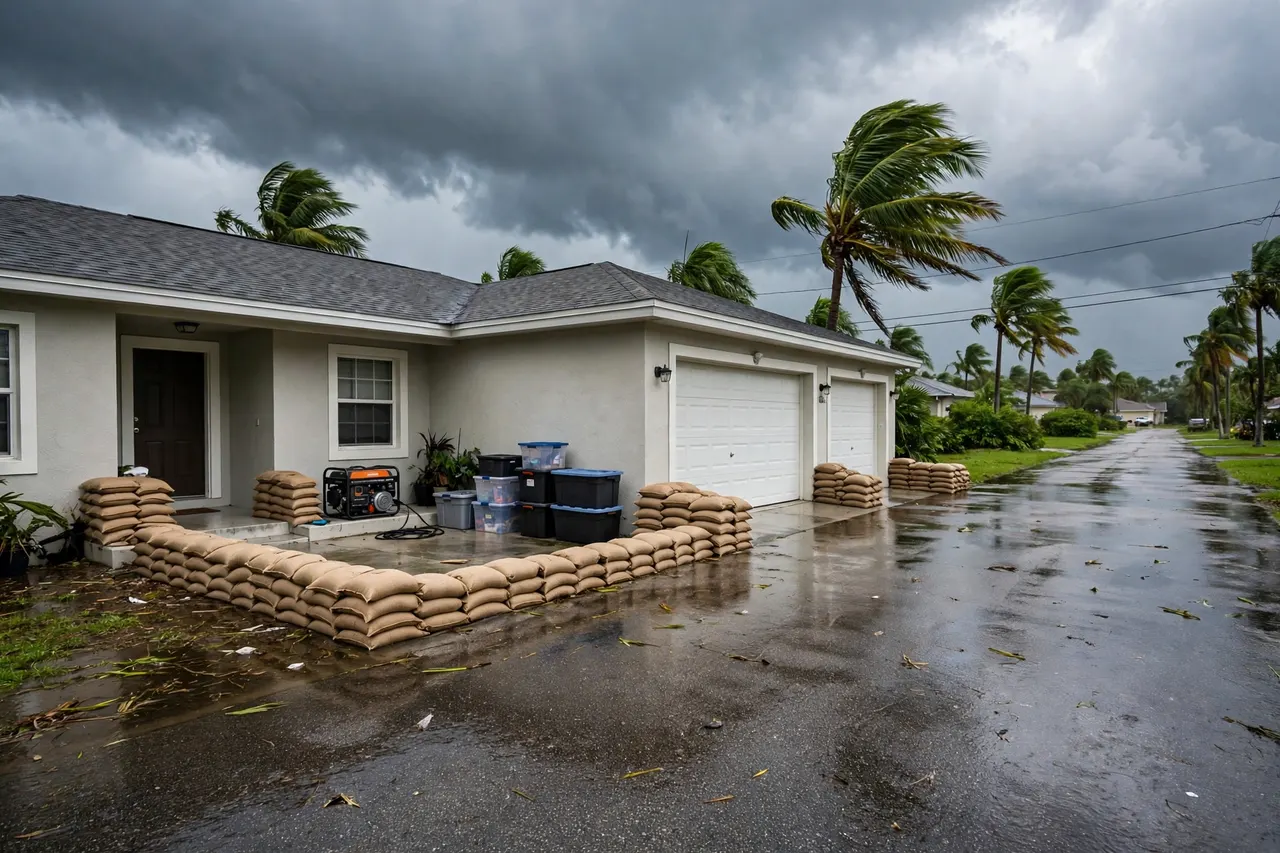
Local officials are the deciding reference for re-entry. Ready.gov and FEMA guidance for returning home after a flood starts with the same point: go back only when local authorities say the area is safe to enter. Evacuation orders, road closures and utility notices exist because hazards are not always visible from a driveway.
Official guidance also governs the utilities. A water utility may advise against drinking tap water until its own checks are done, and power may stay off at neighbourhood level while crews work. Following those notices is not red tape — it is how a household avoids hazards it cannot test for itself. That patience applies street by street: a neighbouring road may reopen while yours stays closed because a utility crew is still working there, and the notice for your street is the one that counts for your household.
Power, Gas And Water: What Must Stay Off At First
Assume the electrical system is unsafe until it has been checked. Flood water that reached outlets, appliances or the electrical panel can leave damage that is invisible once surfaces dry. If water rose near the panel, or you cannot reach it from a completely dry place, leave switching anything to an electrician or the utility.
Gas needs the same caution. If you smell gas, hear hissing near a meter or appliance, or spot damage to a gas line, leave without using switches or phones inside and raise it from outside. Water supply is simpler: use bottled water for drinking until the utility confirms the supply, and avoid flushing silt-heavy water through household plumbing more than needed.
What Flood Water Left Behind Inside Your Home
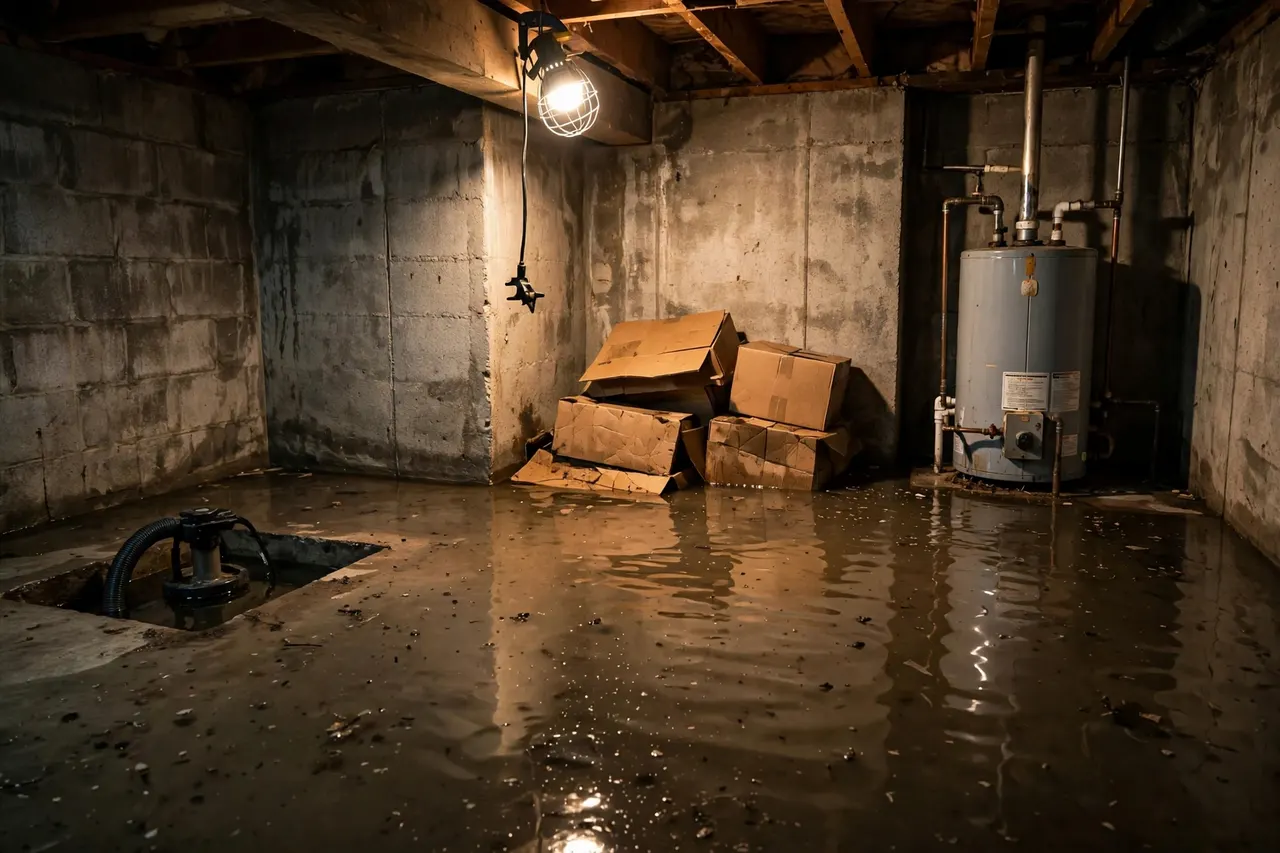
Flood water is treated by pros as Category 3 water, the most contaminated category, because it crosses streets, yards, drains and fields on its way in. It leaves silt and mud on floors, bacteria on surfaces it touched, and sometimes fuel or sewage residue. A room can look merely dirty and still be unsafe for bare hands, children or pets.
Flood Water In Your Home Right Now?
One free call connects you with a local pro near you.
That is why a first return is a checking visit, not a cleaning day in shorts and sandals. Wear sturdy closed footwear and gloves, open doors and windows to move air through where that is safe, and keep food, bedding and soft furnishings that flood water touched separate from clean belongings until a pro advises on each item.
Room By Room: A Careful First Walk-Through
Work from the doorway of each room before stepping further in. Photograph the room as found, look up for a ceiling that sags or bulges with trapped water, and look down for flooring that lifts, softens or hides water beneath it. A bulging ceiling is a reason to stay out of that room entirely until it is dealt with.
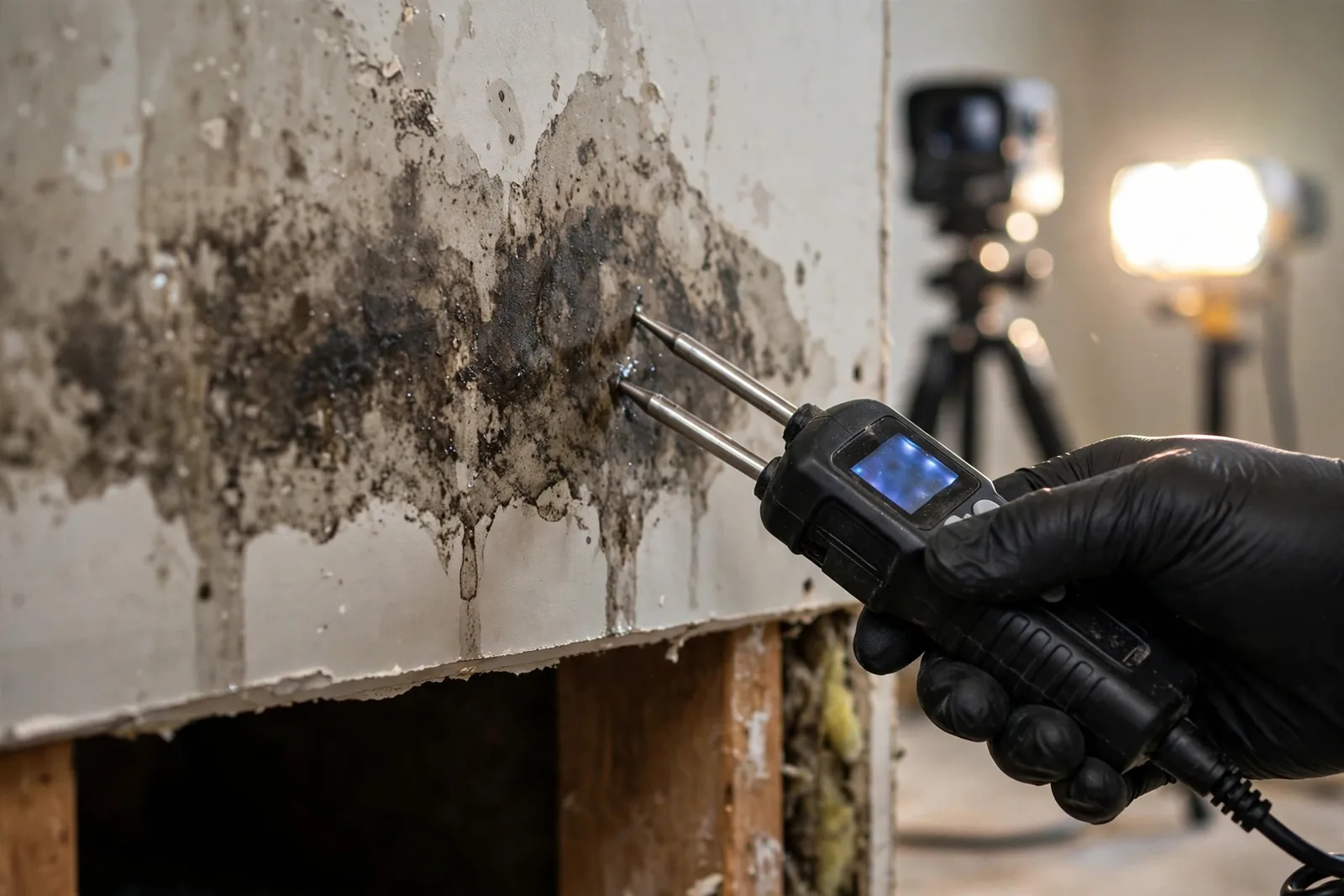
Note where the water line sits on walls, which rooms took water and which stayed dry, and anything that smells of sewage or fuel. A moisture meter and thermal imaging camera in a pro's hands extend this same walk-through, finding water inside wall cavities and under floors that a visual check cannot confirm.
Air, Smell And The Mold Clock After Returning
Airing the home out matters from the first visit. Moving air slows the damp conditions mold needs, and black mold can begin growing on wet materials within 24 to 48 hours of flooding. That window is why extraction, removal of ruined materials and structural drying should start promptly once the home can be entered, rather than waiting until every other task is done.
Smell is a useful signal but not a safety test. A strong musty or sewage odour points to contamination or hidden wet material that needs finding. Equally, a room that smells neutral can still hold damp insulation inside a wall cavity, which is why pros prove dryness with moisture readings instead of noses.
Sleeping There Again Versus Visiting To Check And Clean
Visiting and living are different thresholds. Short visits to check, photograph, ventilate and remove dry belongings can be sensible well before the home is fit to sleep in. Staying overnight asks more: power and water that are safe to use, rooms that have been cleaned after contaminated water, and drying under way so damp does not sit around sleeping people.
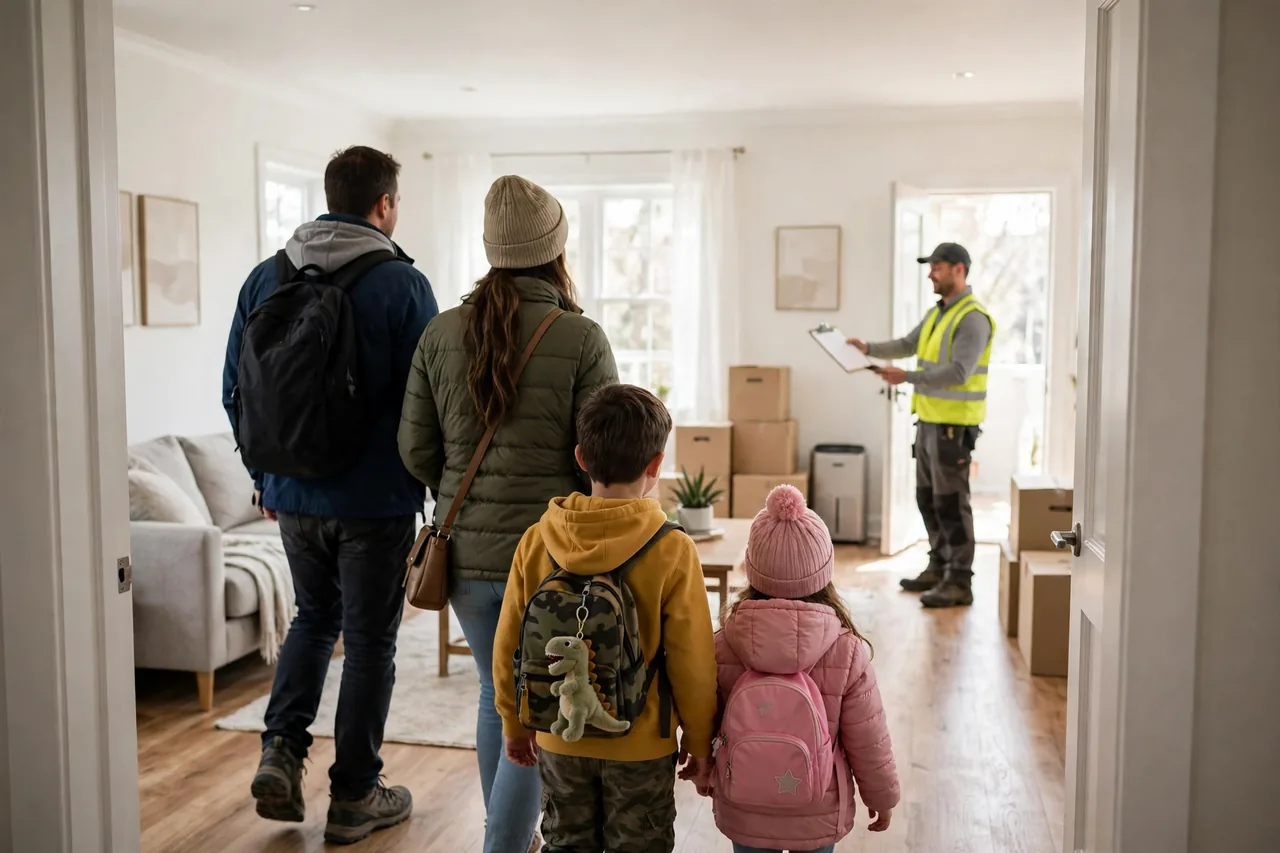
Many households stage the return — days spent working at the house, nights elsewhere — until a pro confirms the structure is dry and treated. If you are unsure which stage your home has reached, call (800) 555-0100. One free call connects you with a local pro who can arrive in 30–60 minutes in the cities served, walk the home with you and set out what it needs before anyone sleeps there.